
0%

Blog

Psychiatrist Consultation Karachi
Blog

Psychiatrist Consultation Karachi: Patient Guide

Anxiety, depression, mood changes, sleep disturbances, addiction, unusual thoughts and other psychological issues that start interfering with life may be an indication that it is time to seek the best psychiatrist consultation in Karachi. During a psychiatric consultation, symptoms are discussed, as is personal and medical history, current medications, functioning, and treatment options. Treatment will vary by the person’s symptoms and circumstances. If you’re seeking psychiatric treatment in Karachi, you will find it less stressful if you know what to expect at a psychiatric appointment. This guide provides information about when you might think about having a consultation with a psychiatrist, what they do, what the assessment involves, what treatment might entail, and how to prepare for the appointment. It also offers information for those who are interested in consulting to Dr. Muhammad Ilyas Jat, who is presently Assistant Professor at Dow University of Health Sciences and has his profile on the website of that same institution. Book a Consultation What Is a Psychiatrist Consultation? A psychiatric consultation is a medical evaluation of the mental, emotional, and behavioral health of an individual. When discussing a diagnosis or treatment plan, a psychiatrist may review the symptoms, length of symptoms, symptom severity, impact on functioning, prior treatment and physical health, family history, and other factors. A psychiatric consultation is different from just talking about being stressed or worried, it’s a more holistic approach. Sleep disturbances, chronic sadness, excessive worry, irritability, concentration problems, changes in appetite, unusual behavior, or work or home functioning issues may all be relevant. A psychiatrist may also want to determine if a physical illness, medication, or substance abuse is a factor contributing to symptoms. Some medical conditions and drugs can also have symptoms that mimic mental disorders, so it’s important to get a proper assessment, according to the NIMH.  When Should You Consider a Psychiatrist in Karachi? If symptoms are not severe, there is no need to wait to discuss them with a health care professional. A consultation might be appropriate if there is ongoing emotional or behavioural change, which is interfering with normal activities or is difficult to manage. Patients may come in for psychiatric evaluation due to chronic symptoms of anxiety, depression, panic, mood swings, sleep disturbances, attention difficulties, extreme stress, drug or alcohol issues, or altered perception or behavior. A professional assessment can also be helpful when symptoms are impacting relationships, education, work, responsibilities, or self-care. Professional assistance is recommended according to NIMH whenever there are significant symptoms or when there is an interference with daily living. Common issues that may require consultation Talking to a psychiatrist about some of the concerns may include: Sadness, hopelessness, or a lack of interest that lasts for two weeks or more. Overwhelming worry, fear or intense anxiety Increased or decreased sleep or appetite (usually extreme) Irritability or large fluctuations in mood Concentration problems, difficulty making decisions Symptoms of bipolar disorder or psychosis Drug and alcohol issues; substance abuse disorders; addiction disorders. Issues of behaviour or emotional problems in children and young people Thoughts of self-harm or suicide A person with one of these symptoms doesn’t have to be diagnosed with a specific psychiatric disorder. An evaluation should be conducted to determine the roots of the issue.  What Happens During a Psychiatrist Consultation? The first appointment is usually a lengthy discussion of treatment choices instead of one test. The psychiatrist may ask the following questions: When did symptoms begin, how often do they occur, how severe are the symptoms, and how do they interfere with daily functioning? You might also be asked about any past health care, any physical health problems, any medications prescribed, how much sleep you get, substance abuse, family health history, stress in the past few weeks, and any major changes or stressors in your life. NIMH suggests you make a list of all your current medications and any relevant questions before your appointment. The psychiatrist can then talk about what may be going on and if any further tests are required. Your treatment may include medication, psychotherapy, lifestyle and behavioral suggestions, referral to another professional, or a combination of treatments, depending on your situation. No one treatment fits all patients. Treatment is based on symptoms, diagnosis (if present), medical history, preferences and response to treatment. What to expect when you’re first seen by your dentist. With a bit of preparation, the consultation can be more productive. Before you make the appointment to see a psychiatrist, it is important to make notes on when symptoms started and if they have gotten worse over time. Previous diagnoses, medications, supplements, previous therapy, and medical conditions are also helpful. Sometimes the family member’s observations of changes in behavior and/or mood may be useful and can also be helpful when the patient feels comfortable including them.  Psychiatrist vs Psychologist: What Is the Difference? Psychiatrists and psychologists can both play important roles in mental healthcare, but their professional roles are different. A psychiatrist is a medical doctor who specializes in mental health and can evaluate psychiatric conditions and prescribe medication when clinically appropriate. Psychologists generally focus on psychological assessment and psychotherapy, depending on their qualifications and professional scope. Factor Psychiatrist Psychologist Main focus Psychiatric and mental health assessment Psychological assessment and therapy Medical training Medical doctor with psychiatric specialization Psychology and related professional training Medication Can prescribe when appropriately licensed Prescribing authority generally differs by jurisdiction and profession Therapy May provide or coordinate psychotherapy Commonly provides psychotherapy Useful for Psychiatric assessment, medication decisions, complex mental health concerns Therapy, coping strategies, behavioral and emotional concerns Collaboration May work with psychologists and other healthcare professionals May work with psychiatrists and physicians Some patients may benefit from both psychiatric and psychological care. NIMH explains that psychotherapy and medication are both common mental health treatments and may be used separately or together depending on the person’s needs. What Conditions Can a Psychiatrist Assess? Different psychiatrists can evaluate a variety of mental health issues. The types of conditions treated are based on the psychiatrist’s clinical

Mental Health Doctor in Karachi
Blog

Mental Health Doctor in Karachi | Patient Care Guide

Anxiety, depression, mood swings, sleeping issues, strange thoughts, and emotional disorders can start interfering with daily activities; that’s when it becomes vital to find a mental health doctor in Karachi. Mental health care can be provided by a psychiatrist, psychologist, therapist, or other qualified person, depending on the person’s symptoms and needs. A psychiatrist is a physician who can assess mental health issues and, in the right circumstances, prescribe medicine. Psychologists and therapists usually offer psychotherapy and counselling. Therapy, medication, or a combination of treatments may be necessary, depending on a person’s condition. This guide provides information on the workings of mental health care, when to seek help, the difference between psychiatrists and psychologists, what to expect during a consultation visit, and how to find a suitable provider in Karachi.  Need Professional Mental Health Support in Karachi? What Does a Mental Health Doctor Do? A mental health physician assesses emotional, behavioural, and psychological issues and determines if the issue requires mental health treatment. A psychiatrist is a medical professional who is trained to evaluate mental health disorders, take into account any physical or medical issues which may be contributing to mental symptoms, and prescribe medicines in a clinical setting. There may be some overlap between mental health symptoms and physical health issues. For instance, alterations in sleep, attention, energy, appetite and mood may be attributed to various causes. A thorough assessment enables the health care professional to see the ‘big picture’ before prescribing treatment. Any concerns that may arise that involve anxiety, depression, obsessive thoughts/compulsions, mood disorders, trauma-related difficulties, sleep problems, behavioral changes, or psychological/psychiatric concerns could be helped with the assistance of a mental health professional. The suitable care depends on the nature of the symptoms and the type of care needed which in turn depends on the appropriate professional.  Psychiatrist vs Psychologist: What Is the Difference? A psychiatrist is a medical doctor specializing in mental health. A psychiatrist can conduct a psychiatric assessment, diagnose mental health conditions within their scope of practice, and prescribe medication when indicated. A psychologist specializes in psychological assessment, psychotherapy, counseling, and behavioral interventions. Psychologists generally do not prescribe medication. Psychotherapy can help people work on troubling thoughts, emotions, behaviors, coping skills, communication, and other concerns. Factor Psychiatrist Psychologist / Therapist Medical doctor Yes Usually no Mental health assessment Yes Yes, depending on training and scope Psychotherapy Some psychiatrists provide it Core part of practice Medication Can prescribe when appropriate Generally cannot prescribe Common focus Psychiatric assessment, medication, therapy where offered Therapy, counseling, behavioral and emotional concerns May work together Yes Yes Neither professional is automatically appropriate for every situation. Some patients benefit from one type of care, while others may need coordinated treatment involving both medication and psychotherapy. When Should You See a Mental Health Doctor in Karachi? Don’t wait until symptoms are severe to seek help. Professional help may be needed if emotional or behavioral changes don’t go away or if they cause problems in relationships or with work, school, sleep or daily activities. The following are some indicators that may warrant an evaluation: Ongoing feelings of sadness, hopelessness, over-worrying, or irritability. Significant alterations in eating or sleeping patterns. Trouble staying focused or doing normal work duties A decreased interest in activities that were once fun or pleasurable Episodes of panic or very strong fear that “come back” Persistent thoughts or repeated behaviors Significant mood changes Retraction or significant changes in behavior Ideation about self-harm or suicide Use of substances that is problematic or hard to stop Having these signs does not necessarily indicate a mental health disorder. A professional evaluation is required to determine what is going on and if it is treatable.  What Conditions Can Mental Health Professionals Treat? Mental health services are for a wide variety of issues. Conditions treated by a provider vary with their qualifications, specialty, and scope of clinical practice. Common mental health conditions that are reasons for psychiatric or psychological treatment include anxiety disorders, depression, obsessive-compulsive disorder, bipolar disorder, trauma-related symptoms, sleep problems, behavioral problems, and others. Treatment should be based on an evaluation, not just on symptoms. But the same symptoms can happen in other circumstances, and some physical health issues or medicines can cause mood, sleep, attention, or behavior changes as well.  How Is Mental Health Treatment Provided? Mental health treatment may be provided in a variety of ways. Some of the most frequently used treatments include psychotherapy and medication; patients can receive both. Psychotherapy Talk therapy, or psychotherapy, is a therapeutic approach that involves working with challenging emotions, thoughts, and actions. There are various approaches for various issues. For instance, cognitive behavioral therapy (CBT) is used to teach individuals to recognize negative thinking and behavior patterns and then replace them with more positive ones. Other methods can involve other factors like coping skills, relationships, emotional regulation, trauma, and specific symptoms. Medication Medication is a treatment option that may be considered if clinically appropriate. Patients may need different types of medicines, dosages, duration, and monitoring depending on their symptoms, diagnosis, medical history, other medicines, and response to medicines. Patients should not begin, discontinue or adjust psychiatric medication without consulting the prescriber of the medication. Medicines for mental health conditions can have different effects on individuals, and treatment might need to be continued and adjusted. Combined Treatment Psychotherapy and medication can be a combination in some cases. Treatment plans should be tailored to the patient, their medical history, and their preferences and reaction to care.  How to Choose a Mental Health Doctor in Karachi Hospitals, clinics, private practice psychiatrists and psychiatrists who consult online are among the mental health professionals working in Karachi. There are healthcare directories available online, and they include psychiatrists and psychologists in various locations in the city, as well as video and/or in-person appointments. If you’re looking around for providers, consider the things that may add and subtract from the care that’s suitable for you. Consider the following: Qualifications relevant to the medical or clinical field. Professional registration, as

Psychiatrist Online Consultation Karachi
Blog

Psychiatrist Online Consultation Karachi | Patient Guide

Pakistan psychiatrist online consultation Karachi is an option where patients can consult a mental health expert via a phone call, video, or other safe online channel without making a trip to the clinic. Online psychiatric treatment may help those who experience anxiety, depression, stress, sleep disturbances, mood changes, panic symptoms, or mental health issues in general. For patients in Karachi, availing online consultation may be more convenient to help them access professional help from the comfort of their homes. It can also help busy individuals, people with mobility issues, those with privacy concerns, and people who cannot travel. But online psychiatric services do not work for everyone, particularly if someone is suffering from an urgent mental health crisis. This guide will provide you with information on how online psychiatric consultation works, what conditions it can be used for, what to prepare for before seeing a psychiatrist, the advantages and disadvantages of psychiatric consultation, and when it might be more suitable to consult a psychiatrist in person or in an emergency.  Book an Online Psychiatric Appointment What Is a Psychiatrist Online Consultation? An online psychiatrist consultation is a remote appointment where a patient consults with a psychiatrist via online communication of some type regarding mental health issues. The appointment can be by video, voice call, or another approved method of communication, depending on the provider and circumstances. A psychiatrist can examine symptoms, talk with the person about their mental health history, take into account any underlying conditions, talk about existing medications if applicable, and create a treatment strategy. This can involve counselling, guidance and support, lifestyle advice, referral to another mental health professional, and medication if clinically appropriate. But don’t assume an online consultation is not as serious as one in person. The psychiatrist still requires information to assess the patient’s symptoms, background, current circumstances, and risk.  How Does Online Psychiatric Consultation Work in Karachi? Most online consultations are a similar process, though it does differ from doctor to doctor and clinic to clinic. The patient typically makes an appointment beforehand and gives the doctor some basic details regarding the problem for which they are seeking assistance. The psychiatrist will ask questions during the consultation regarding the symptoms, how long they have been present, how they impact someone’s daily functioning, their history of treatment, medical history, and other factors that could influence mental well-being. The doctor might also ask how the patient sleeps, how his or her appetite has changed, how well he or she is concentrating, whether the patient has any relationships that are problematic, how he or she did in school or work, whether he or she has used any drugs or alcohol, and what medicines he or she is taking and what psychiatric care he or she has had in the past. These questions help to paint a bigger picture than those that focus solely on one symptom. Once an assessment is completed, the psychiatrist will discuss the next steps. This may be ongoing online appointments, ongoing management of medication, psychotherapy (with an appropriate professional), further assessment, or an in-person appointment.  Who Can Consider Online Psychiatric Care? If suitable professional arrangements exist and there is no risk for serious harm, online psychiatric consultation may be considered for adolescents and adults. It might be beneficial to a person who: Is anxious, depressed, panicky, stressed, or has trouble sleeping for a long time Desires expert assistance and has some difficulties in travelling. Has previously had psychiatric treatment and requires continued treatment Lives away from the psychiatrist’s clinic Has an overload of work/study responsibilities Comfortable initiating mental health conversation at home Will require periodic reviews of a known mental health disorder or condition Online care is suitable to the individual. After listening to a patient’s situation, a psychiatrist can find out if remote assessment is suitable for the patient.  What Mental Health Problems Can Be Discussed Online? During an online psychiatric session, many mental health issues can be discussed. The consultation could focus on symptoms, rather than on a patient’s self-diagnosis through Internet searches. Some common concerns may be anxiety, depression, panic symptoms, mood changes, trouble sleeping, too much worrying, irritability, problems concentrating, stress at work or in relationships, or other changes in behaviour or psychology. More complicated issues may also need psychiatric evaluation, though this depends on the severity and safety of symptoms. If a psychiatrist considers that the information gained from a remote consultation is insufficient, then a face-to-face assessment may be recommended. Is It OK To Talk About Anxiety and Depression Online? Yes. Some things that can be talked about in a psychiatric consultation include anxiety and depression. A psychiatrist may ask questions regarding mood, concern, sleep, energy, concentration, appetite, daily activities, relationships, and how long the symptoms have been there. Sadness or worry every now and then does not necessarily indicate the presence of a mental illness. Professional assessment considers the pattern, severity, duration, and impact upon daily living. What is the treatment for sleep problems? Is it possible to discuss sleep problems with the psychiatrist? Yes. Psychiatric care can discuss sleep problems, especially if they’re related to anxiety, depression, stress, mood changes, or other mental health conditions. Physical or lifestyle-related causes can also be the reason for sleep difficulties. Therefore, a health care professional might take into account medical history, medications, caffeine or substance use, daily activity, etc. when determining if additional evaluation is necessary.  What Happens During the First Online Psychiatric Appointment? The initial consultation is typically about patient history, and not just treatment selection. The psychiatrist may inquire when the problem began, how frequently symptoms appear, if symptoms are getting worse, and whether they are interfering with work, school, relationships, sleep, and daily activities. Previous psychiatric diagnoses and treatments may also be discussed. If the patient is on medication, accurate information about the medicine, dosage, timing and the purpose of its use will help the psychiatrist to make safe decisions. The patient should feel comfortable asking questions. If anything is not clear, it

Karachi Best Psychiatrist
Blog

Karachi Best Psychiatrist: Choosing the Right Specialist

Choosing the karachi best psychiatrist is not just about picking the one who has the most popularity online. The right psychiatrist will possess the appropriate clinical expertise, listen well to your concerns, assess your symptoms well, explain your treatment options well, and provide appropriate follow-up. Patients can get Karachi best psychiatrist or anxiety disorder, depression, panic attacks, mood disorders, ADHD, sleep disorders, and other mental health issues. It can be hard to select a psychiatrist, particularly when you’re experiencing emotional problems or doubt your symptoms. This guide covers who psychiatrists are, when you might need one, what to expect in Karachi, what to ask your psychiatrist in your initial meeting, and how psychiatric treatment works.  Consider Dr Ilyas Jat for a psychiatric consultation and discuss your symptoms, concerns, and treatment needs with a qualified professional. What Does a Psychiatrist Do? A psychiatrist is a physician who is trained in diagnosing and treating mental illnesses. A psychiatrist, unlike a general mental health counselor, can evaluate if their psychological symptoms are linked to medications, substance use, neurological diseases or other medical conditions. Psychiatrists might assess problems like excessive worry or panic symptoms, mood changes, difficulties concentrating, severe sleep problems, unusual thoughts, behavioral changes, and other issues that impact daily functioning. Treatment does not necessarily involve medication. A psychiatrist may prescribe medication, psychotherapy, lifestyle changes, monitoring, and/or refer the individual to another mental health professional, or a combination of these.  When Should You See a Psychiatrist? Psychiatric assessment should be considered if emotional, behavioral, and psychological problems persist for several weeks, if they are not manageable, or if they begin to interfere with work, school, relationships, sleep, or daily activities. It is not necessary to endure severe symptoms to get professional help. Early assessment can assist in figuring out the nature of a problem and ascertain what type of support may be required. Some individuals go to a psychologist or counsellor initially, and others may require psychiatric attention, as there may be severe, persistent, complex, or medical reasons to seek psychiatric evaluation. Some of the most frequently encountered reasons for psychiatric evaluation: In Karachi, individuals can consult with a psychiatrist for various issues, such as: Symptoms of anxiety, excessive worry, and panic Depression, chronic sadness or down mood Difficulty concentrating and ADHD Bipolar and other mood disorders Psychological issues associated with sleep. Obsessive thoughts or compulsive behaviours Stress-related emotional difficulties Changes in behaviour or mood A problem that needs to be assessed for medication. Having one or more symptoms does not necessarily indicate that a person suffers from a psychiatric disorder. Only a trained expert can determine the full picture and diagnose it.  Psychiatrist vs Psychologist: What Is the Difference? A psychiatrist and psychologist can both play important roles in mental healthcare, but their training and responsibilities are different. A psychiatrist is a medical doctor who can assess mental health conditions from a medical perspective and prescribe medication when clinically appropriate. A psychologist generally focuses on psychological assessment, psychotherapy, counseling, and behavioral interventions, depending on their qualifications and scope of practice. Some patients benefit from seeing one professional, while others may benefit from coordinated care involving both a psychiatrist and psychologist. Factor Psychiatrist Psychologist Primary role Medical and psychiatric assessment Psychological assessment and therapy Medical training Medical doctor Psychology professional Medication Can prescribe when legally and clinically appropriate Generally does not prescribe medication Psychotherapy May provide or coordinate therapy Commonly provides psychotherapy Best suited for Mental health concerns requiring medical or psychiatric evaluation Therapy, behavioral concerns, and psychological support Collaboration May work with psychologists and other doctors May collaborate with psychiatrists and physicians The appropriate professional depends on the individual’s symptoms and needs. In some situations, a psychiatrist may refer a patient for therapy, while a psychologist may recommend psychiatric assessment when medical evaluation appears appropriate. How to Choose the Best Psychiatrist in Karachi No single psychiatrist is the best for every patient. One doctor may be able to do the job for one person but not for another. Don’t just take people’s word for it when they refer to someone as “the best psychiatrist in Karachi,” but consider things that might diminish the quality of care and make it unsuitable. Check Relevant Clinical Expertise First, think about whether the psychiatrist routinely treats the kind of concern you are interested in being evaluated for. If you are seeking an ADHD assessment, for instance, you would want to ensure that the psychiatrist has experience treating ADHD and related attention and/or behavior issues. A psychiatrist who has experience in mood and anxiety disorders might be preferred by someone with severe anxiety and/or depression. Relevancy is important, as mental health issues can intersect. Sometimes problems with concentration, sleep, anxiety, mood changes, and stress are all present, and a careful assessment of this is needed. Consider Communication Style Communication is a key component of psychiatric treatment. You should not feel ignored as you describe your symptoms, concerns, medication history, your personal situation, and your questions. At an appointment, does the psychiatrist: Hears and understands rather than rushing through Describes the causes of symptoms reasonably well Provides you with a chance to ask questions Explains treatment options and possible issues Describes the follow-up process. A courteous working relationship can facilitate the discussion of sensitive topics. Verify Professional Information Research the psychiatrist’s professional information before making an appointment (if available). Seek correct information regarding medical qualifications, specialization, clinic, and registration. Don’t take anything for granted in regard to all online claims. The information provided on a Web page, social media profile, advertisement, or listings in a directory may be misleading in regard to a doctor’s suitability. Think About Accessibility Place may impact continuity of care. Please remember that Karachi is a big city, and travel time, appointment availability, location of clinic and follow-up arrangements may be important. A psychiatrist that is easy to get to may be more convenient if appointments are likely to be necessary, as opposed to an elusive psychiatrist. Some instances may also offer an

Psychiatrist Doctor in Karachi
Blog

Psychiatrist Doctor in Karachi: Patient Guide

Psychiatrists doctor are physicians who specialize in evaluating, diagnosing, and treating mental disorders. Psychiatrists are trained to assess symptoms, factor in the physical and psychological conditions, suggest a course of treatment, and prescribe medication if relevant. Others may offer psychotherapy or collaborate with psychologists and other mental health care providers as part of a comprehensive treatment regimen. Selecting a psychiatrist in Karachi can be a challenge, particularly when symptoms like a sense of sadness, anxiety, panic, sleep disturbances, mood fluctuations, unusual thoughts, or struggling with everyday functioning start to impact work, relationships, or daily duties. Understanding the role of psychiatrists and what occurs during a consultation can assist in reducing tension. A psychiatrist’s assessment process, what conditions do psychiatrists treat, psychiatrist treatment options, the difference between psychiatrist vs psychologist and what patients should consider when finding a psychiatrist in Karachi.  Contact Dr. Ilyas Jat to discuss your concerns and arrange a psychiatric consultation in Karachi. What Is a Psychiatrist Doctor? A psychiatrist is a medical doctor who is specialised in mental health. Whereas psychiatrists may have more medical training and be able to determine mental health problems through both medical and psychological means, professionals specializing in psychological therapy do not. They can make a diagnosis of mental health disorders, prescribe proper medication if needed, deliver or coordinate psychotherapy, and track treatment as it progresses. Questions about depression and anxiety are not the only parts of a psychiatric evaluation. Various factors, including symptoms, medical history, medication history, substance use, family history, sleep, relationships, work or school, and other factors that could impact mental health, may be considered by a psychiatrist. A detailed assessment will help to decide what kind of support to seek. For instance, chronic anxiety may go along with an anxiety disorder, depression, a side effect of a medication, substance abuse, a physical health issue, or another mental health disorder. It is therefore better to make a proper evaluation than to attempt to determine the cause from symptoms.  What Does a Psychiatrist Treat? Psychiatrists specialize in the treatment of a spectrum of mental health disorders. Treatment will vary depending on the individual’s symptoms, diagnosis, medical history, level of severity, age, and personal situation. The psychiatrist also treats patients for the following conditions: Depression / low mood (recurrent) Panic attacks and anxiety disorders. Bipolar disorder Obsessive-compulsive disorder Post-traumatic stress disorder Schizophrenia and other psychosis (psychotic disorders. The use of substances and the need to control them.Substance use and addiction. Any sleep disturbances that are related to mental health issues Some behavioral and emotional disorders Some memory, thinking, or cognitive issues Depending on their specialty, psychiatrists can also treat children, adolescents, adults, and senior citizens. In more complex circumstances, a wider team can be involved in psychiatric care, including psychologists, therapists, psychiatric nurses, occupational therapists, and social workers.  When Should You See a Psychiatrist? It’s not necessary to wait until a mental health problem is serious before getting professional help. Psychiatric evaluation could be beneficial if emotional, behavioral, or psychological symptoms are persistent, worsening, or interfering with daily living. If you have persistent changes, such as: Profound or enduring sadness Regular anxiety or panic attacks Significant shifts in eating and/or sleeping habits. Poor focus or normal functioning Extreme mood changes Recurrent persistent and intrusive thoughts or actions Seeing or hearing things that others don’t.Seeing or hearing things that others do not. Abnormal doubt or suspicion or odd ideas Alcohol/drug issues Discussions about self harm/suicide Radical shifts in behavior or emotions An evaluation by a professional is especially critical if symptoms are interfering with work, school, relationships, personal safety, or ability to manage daily living. In cases where the individual is at immediate risk of harming self or others, a psychiatric appointment should be postponed, and immediate medical emergency assistance should be sought.  What Happens During a Psychiatric Assessment? The initial part of a psychiatric appointment is likely to involve a thorough discussion. The psychiatrist will ask questions regarding your current symptoms, when they began, how often they occur, and how they impact your life. Other areas the assessment might look at include past mental health issues, physical health, medications, family, sleep, substance use, relationships, work, education, and other factors. Mental health assessments are not meant to be a pass or fail examination, but rather used to identify the type of help and support that could be useful. What to say to the psychiatrist? Describe your symptoms as accurately as you can and as honestly as possible. Do not required to use medical terminology. Instead of expressing the feeling of being sad, worried, restless, exhausted, unable to sleep, socially withdrawn, unable to concentrate, express each of these feelings as opposed to saying merely, “I feel bad. It’s also beneficial to take note of: When the symptoms occurred.At the onset of symptoms. Their frequency or incidence.The rate of occurrence. If they are getting better or worse If there are any significant changes in sleep patterns or appetite. Prescription or over-the-counter medications you are already using or supplements. Previous treatment Alcohol or drug abuse (if applicable), and Any ideas of hurting herself The questions that you want to ask the psychiatrist The more pertinent information the doctor has, the easier he may be able to develop an appropriate care plan.  How Is a Mental Health Condition Diagnosed? However, there is no single test that would rule out any mental health condition. Diagnosis typically requires a clinical evaluation of the symptoms, history, functioning, and other factors. A psychiatrist might also explore physical health issues, side effects of medication, substance abuse, and other medical issues that may be affecting symptoms. For example, assessment for psychosis consists of an examination of symptoms and potential causes, and not a single laboratory test. The intention isn’t just to give a label to a person’s symptoms. A clear assessment can be helpful for treatment and to identify the type of professional assistance that may be of benefit.  Psychiatric Treatment Options Various people receive different treatments. Both psychotherapy and medication,

Child Psychiatrist Karachi
Blog

Child Psychiatrist Karachi | Parents’ Mental Health Guide

Choosing the right child psychiatrist Karachi for families to consult with is paramount when a child’s emotions, behavior, development, or life in school becomes hard to deal with. A child and adolescent psychiatrist is a medical doctor who can assess children and teens’ mental, emotional, behavioral, and developmental issues and tailor a treatment plan specifically to the child. Children may experience anxiety, attention, mood, behavioral, sleep, social, or other mental health issues. In some cases, symptoms are a normal part of growth and development, and in other cases, symptoms that last longer or are more severe may need to be seen by a professional. Early attention can help to recognize concerns and link families to the right help. If you’re looking for a psychiatrist in Karachi, it shouldn’t be about the most prominent name you find online. When choosing a doctor, parents should think about whether the doctor’s training and experience is relevant to children and adolescents, how the doctor assesses a child, how the doctor treats a child, how the doctor communicates with the child, and whether the service is appropriate for the child’s specific needs.  Book a consultation with Dr. Ilyas Jat in Karachi What Does a Child Psychiatrist Do? A child psychiatrist is a mental health specialist who deals with the evaluation and treatment of mental disorders in children and adolescents and their families. In a psychiatric evaluation, developmental history, physical health, emotional functioning, family environment, school performance, relationships, and social factors are taken into account in contrast to a general mental health discussion based solely on symptoms. A child psychiatrist will be able to assess issues including: Excessive fears and anxiety Persistent low mood and depression. Attention & Problem Behaviors, including ADHD Significant behavioral problems Mood disorders Obsessive-compulsive symptoms Trauma-related difficulties Sleep and mental health issues Social and emotional problems. Self-harm and suicidal thoughts Some complex developmental and behavioral presentation Not all children with challenging behaviour will have a psychiatric disorder. Children have their own ups and downs, and can be sad, frustrated, irritated, frightened and unable to concentrate at times. The concern increases if the symptoms are ongoing, commonplace to a great deal, pose safety threats, or negatively impact school, family, friendships or day-to-day functioning.  When Should a Child See a Psychiatrist? Emotional and/or behavioral changes that persist over weeks or months or start to disrupt normal activities may warrant a professional evaluation for a child. For instance, parents can observe that a child who used to attend school without any problems is now withdrawn, has drastic changes in eating or sleeping habits, is frequently complaining of a physical symptom that is not clearly understood, has increased anxiety or is experiencing anxiety persistently, and has not had any changes in their schedule or activities. Older children and teens might also experience changes that aren’t so clear. May withdraw from their previous hobbies, from family and friends, have a dramatic change in mood, may be involved in risky behaviour, or may express hopelessness. NIMH advises consulting a professional for help if symptoms are continuing and the child is having difficulties in everyday functioning. Immediate professional help is required if a child is at immediate risk to self or others or is talking about hurting themselves or others. These are the warning signs that parents shouldn’t overlook: Parents should obtain a professional assessment if they find there are ongoing concerns, including: A significant shift in mood, sleep habits, behavior, or school performance Extreme anxiety, fear, anger, or irritation Distancing from family and friends.More distance from family and friends. Difficulty concentrating or paying attention (hyperactivity-inattention) Unusual physical complaints that occur repeatedly, along with emotional changes. Self harm Substance use The use of weapons or behavior that is dangerous or very impulsive Discussing death, suicide, and harming others These signs do not necessarily indicate a child has a psychiatric disorder. They suggest that a competent person needs to investigate what could be going on.  Which Conditions Can a Child Psychiatrist Treat? Child and adolescent psychiatrists can assess a broad spectrum of emotional, behavioral, and psychiatric disorders. The specific diagnosis and treatment will depend on the child’s symptoms, development, medical history, family environment, and overall functioning, along with his or her age. Concentration and attention problems, including ADHD. If your child has ongoing issues paying attention, holding their attention down and/or controlling their behaviour, sitting still and/or failing to accomplish age-appropriate tasks, they might need an evaluation. Evaluation of ADHD should include symptoms in relevant settings and how they affect functioning, not just a single behavior. Anxiety disorders Children can become overly worried, become anxious when separated from or in fear of others, may have panic reactions, fear of or obsessive thoughts and compulsive behaviors. It is important to identify if anxiety is normal or clinically significant, and this can be done through professional evaluation. Depression and mood disorders. Children’s depression is not necessarily manifesting as sadness. Other symptoms include irritability, withdrawal, loss of interest, changes in sleep and appetite, decreased energy, problems with schoolwork, and hopelessness. Behavioral difficulties If a child continues to be aggressive, defiant, destructive, extremely emotional, or has a problem at home or school, assessment may be warranted, especially if this behavior is impacting a child’s safety or relationships. Distress and trauma Children’s emotional health may be impacted by bullying, family conflict, loss, abuse, accidents, significant changes, or other stressful situations. A professional will be able to evaluate symptoms and decide on suitable support.  How Is a Child Psychiatric Evaluation Done? The child psychiatric assessment is not just a brief exchange and a diagnosis. A comprehensive evaluation can include data from the child, parents/caregivers and, where appropriate and allowed, other significant individuals, including teachers and health care providers, etc. The assessment can take into consideration: The main symptoms and when they started History of physical and mental health problems. Developmental milestones School performance/learning issues Collaborating with parents, siblings, teachers, and peers Family history The importance of sleep and routines.The value of sleep and routines. Other

Certified Psychiatrist in Karachi
Blog

Certified Psychiatrist in Karachi: How to Choose a Qualified Mental Health Specialist

When anxiety, depression, mood changes, panic attacks, sleep issues, or other mental health problems start interfering with everyday life, it’s time to find a certified psychiatrist in Karachi.  A psychiatrist is a medical practitioner who specialises in the evaluation, diagnosis, and management of mental illness. Treatment options include medication, psychotherapy, lifestyle advice, or a combination of these. If you are looking for the best certified psychiatrist in Karachi, you need to choose a doctor not just based on what you see on the internet or their advertising.  Qualifications, professional registration, psychiatric training, clinical experience, treatment approach, communication, and follow-up are all important. The patient may check a doctor’s status and registration with the Pakistan Medical & Dental Council (PM&DC) in Pakistan. These are important factors to consider when choosing a psychiatrist. This guide will help you understand what a psychiatrist does, when it is appropriate to seek psychiatric care, how to find a psychiatrist in Karachi, what the psychiatrist might do during treatment, and how to prepare for your first visit.  Book an Appointment with Dr. Ilyas Jat What Is a Certified Psychiatrist? A certified psychiatrist is a medical practitioner with special training in psychiatry. Psychiatrists assess mental, emotional, and behavioral symptoms and decide if they could be linked to a mental health issue, a physical health problem, medication or substance use, or a mixture of factors. As psychiatrists are medical doctors, they have the ability to assess the connection between physical and mental wellness. They may also have the authority to prescribe and monitor psychiatric drugs if clinically appropriate and legally permitted. Psychiatry encompasses many conditions, such as depression, anxiety disorders, bipolar disorder, schizophrenia and other psychotic disorders, obsessive-compulsive disorder, trauma-related disorders and substance-use disorders. Symptoms of mental health issues can have an impact on more than just mood. They can affect sleep, eating habits, focus, relationships, work, learning, and the body. That’s why a proper psychiatric evaluation may help if symptoms continue or if they are causing problems.  How Can You Find a Qualified Psychiatrist in Karachi? The first step towards finding a qualified psychiatrist in Karachi is to check the doctor’s credentials. While online profiles can be helpful, patients shouldn’t take on the word of advertising alone, and should not accept a psychiatrist’s claim to be an “expert” or “best psychiatrist. Check whether a doctor is registered and the qualifications he/she has on the PM&DC practitioner register. Patients should also take into account the psychiatrist’s training and clinical experience. For instance, a patient who has experienced anxiety for a long time might wish to receive treatment from a psychiatrist who routinely evaluates anxiety and anxiety-related disorders. If the individual is looking to get treatment for addiction, bipolar disorder, depression, or severe mood symptoms, they may wish to have a doctor who has experience in that field. The doctor’s approach also plays a role. When making a mental health consultation, patients are likely to have personal details that they do not want to reveal to anyone else, and they should feel at ease talking about their concerns and asking questions.  Dr. Muhammad Ilyas Jat: A Psychiatrist in Karachi If you are on the lookout specifically for a certified psychiatrist in Karachi, then the academic and psychiatric background of Dr Muhammad Ilyas Jat can be considered while comparing mental health experts in Karachi. Dr. Muhammad Ilyas Jat is an Assistant Professor of Psychiatry as per the official faculty profile of Dow University of Health Sciences (DUHS). He is listed as an MBBS and FCPS doctor, and his area of interest is Psychiatry according to DUHS. The Department of Psychiatry at DUHS also states that Dr. Muhammad Ilyas Jat has done MBBS from Liaquat University of Medical & Health Sciences (LUMHS), Jamshoro, and FCPS Adult Psychiatry from the College of Physicians and Surgeons Pakistan (CPSP), Karachi in 2016. His previous academic appointment was Assistant Professor in the Department of Psychiatry at Isra university, Karachi campus. He has also been the subject of scholarly work. Research on anxiety, depression, headaches, migraine, substance-use disorders, bipolar disorder, schizophrenia, insomnia, and other psychiatric and psychological issues is listed on the DUHS faculty page. This academic experience gives him some context in terms of his professional experience. Dr. Ilyas Jat is therefore relevant for those patients who are searching for an experienced psychiatrist in Karachi and are interested in finding a psychiatrist with a formal post-graduate qualification in adult psychiatry and a teaching position in the psychiatry field. But the appropriate psychiatrist depends on the person’s unique requirements. Even with the latest registration, patients should check with the doctor regarding the symptoms and should consider the doctor’s clinical experience and his approach.  What Does a Licensed Psychiatrist in Karachi Do? A Psychiatrist in Karachi can diagnose and treat various mental health issues. The psychiatrist could talk about your symptoms, medical history, family history, medications, sleep, appetite, past mental health care, stressors, relationships, or past mental health treatment during an evaluation. It is not just to give a diagnosis. The purpose of a good psychiatric evaluation is to gain an overall perspective and decide on the best treatment. For instance, sleep disturbances can be caused by anxiety or depression, or physical or due to medication. Likewise, there are several states of low mood. A psychiatrist will take all the overall clinical circumstances into account when deciding on treatment. Follow-up visits can then be scheduled to track symptoms, assess treatment effects, manage side effects, and adjust treatment to fit the individual.  When Should You See a Psychiatrist for Mental Health Treatment in Karachi? When emotional or behavioural symptoms persist, it becomes hard to control, or affect daily life, you should think about seeking mental health treatment in Karachi from a psychiatrist. Everyone experiences stress, sadness, worry, or trouble sleeping from time to time. When symptoms persist or worsen, or start to interfere with relationships, jobs, school, personal caring, or daily living, the concern becomes more important. An assessment by a professional might be recommended if a

Good Psychiatrist in Karachi
Blog

Good Psychiatrist in Karachi | Patient Guide

Choosing a good psychiatrist in Karachi isn’t just a matter of selecting the doctor with the best rating or the first in search results. Mental health care is personal, and the right psychiatrist should be properly qualified, experienced in treating the problem you’re concerned with, and comfortable discussing sensitive health issues with you. A psychiatrist is a medical doctor who assesses and treats mental health disorders. Treatment can include psychiatric treatment, such as medications, psychotherapy, lifestyle advice, referral to a different mental health provider, or a mixture of treatments as needed. Dr. Muhammad Ilyas Jat is a doctor who may be worth exploring for psychiatric treatment if someone is looking for a psychiatrist in Karachi. According to Dow University of Health Sciences, Muhammad Ilyas Jat is an Assistant Professor in Psychiatry, qualified as MBBS and FCPS. He also has a number of publications regarding psychiatric research that are included in the university profile. But it is not a marketing slogan like “best” or “number one” that should be the basis of choosing a psychiatrist; it should be your own needs. Here, you will find an explanation of the psychiatrist’s role, when to see one, what to ask before booking an appointment and how to assess psychiatric treatments in Karachi. Book an Appointment What Makes a Good Psychiatrist in Karachi? A qualified medical professional with a good understanding of mental health symptoms who can explore potential contributing factors, communicate treatment plans in a clear way, and is able to track a patient’s progress over time is a good psychiatrist. Treatment preferences, location, and availability are other factors in the right choice, as well as whether the patient needs medication management and the type of concern. Symptoms of mental health conditions may overlap. For instance, trouble sleeping can be caused by anxiety, depression, stress, side effects of medication or the use of substances, or some medical issues. A good psychiatric evaluation takes a holistic approach and does not focus on a single symptom. Patients are advised not to look at advertisements, however. Qualifications, specialty, relevant clinical focus, appointment arrangements, communication style, and appropriate follow up are more valuable considerations when comparing psychiatrists.  What Does a Psychiatrist Do? A psychiatrist is a doctor who evaluates, ascertains and treats mental illness. Since psychiatry is a medical field, psychiatrists can take into account the psychological symptoms as well as physical issues that could impact mental health. The first part of a psychiatric consultation usually involves a thorough discussion of the patient’s symptoms and concerns. The doctor might ask questions about mood, sleep, appetite, concentration, behaviour, relationships, past treatment, present medications, and medical history. Treatment varies, based on the person’s situation. It could contain medication if clinically appropriate, referral to a psychotherapist, monitoring, lifestyle recommendations, or referral to other health professionals for referrals. A psychiatrist may also be consulted when symptoms are complicated, chronic, intense, or interfering with daily activities.  When Should You See a Psychiatrist? Don’t wait until a mental health problem is quite serious before seeking professional assistance. If there are ongoing shifts in mood, behavior, sleep, thinking, or function, it is a reasonable basis to set up an assessment. If you are depressed, anxious, have chronic or repeated panic attacks, significant changes in mood, sleep disturbance, unusual thoughts or perceptions, substance abuse issues, or emotional or behavioral problems that are interfering with daily functioning, psychiatric evaluation may be warranted. These symptoms need not guarantee that a person has a psychiatric disorder. A qualified healthcare professional needs to evaluate the complete situation. In some cases, a general physician may be an appropriate initial health care provider if physical symptoms are significant or the cause of illness is unknown. Some individuals may receive direct benefit from a psychiatrist or psychologist.  Which Mental Health Conditions Can a Psychiatrist Treat? Psychiatrists deal with a variety of mental health disorders. Conditions treated may differ among practitioners based on their specialty. Some areas of psychiatric care include depression, anxiety disorders, panic disorders, bipolar disorder, schizophrenia, addiction and substance-related disorders, sleep disorders, and other emotional or behavioral disorders. Dr. Ilyas Jat’s official website states that his services are related to adult psychiatry, anxiety and related disorders, addiction and related disorders, schizophrenia, bipolar affective disorder, child psychiatry, and dementia related disorders. Depression Depression is more than temporary sadness. It could be a low mood, reduced interest in things that are normally enjoyed, low energy, sleep or eating disturbances, poor concentration, low self-esteem or hopelessness. A psychiatrist can check if these symptoms are a sign of depression or another disorder, and determine which kind of professional help might be needed. Treatment can vary. It can be psychotherapy, medication, or psychotherapy and medication. Anxiety and Panic Symptoms of anxiety may be feelings of worry and fear, restlessness, trouble focusing, physical tension, sleep difficulties, or panic attacks. If anxiety is starting to become problematic in the workplace, school, relationships, sleep, or normal activities, it may help to seek professional assessment. A psychiatrist can evaluate the symptoms and decide if psychiatric treatment or psychological treatment, medication, or other treatment is warranted. Bipolar Disorder Bipolar disorder is a condition characterised by extreme mood swings between periods of depression and episodes of abnormally elevated, expansive, or irritable mood. Assessment is especially crucial as mood changes may impact a variety of areas. Treatment should be decided based on a professional evaluation and not self-diagnosis. Schizophrenia and Psychotic Symptoms Schizophrenia and other types of psychosis may include hallucinations, delusions, disorganized thinking, or significant changes in behavior or functioning. If perceptions or confusion become unusual, or if a person’s behavior changes greatly or they become extremely suspicious, it is important to have a prompt professional evaluation. Addiction and Substance-Related Problems There may also be psychiatric issues that are relevant when drinking alcohol, using drugs, or any other addictive behavior is starting to hurt health, relationships, work, finances, or daily functioning. Treatment for addiction doesn’t need to involve only a single form of support. Depending on the situation, psychiatric assessment,

Neuropsychiatrist in Karachi
Blog

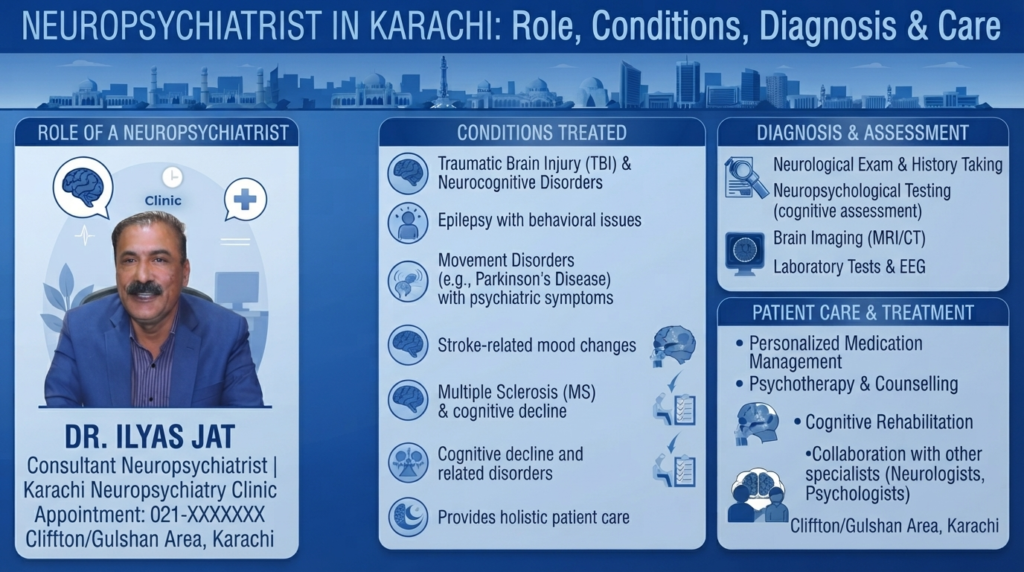
Neuropsychiatrist in Karachi: Patient Guide & Care

A neuropsychiatrist in Karachi is a medical doctor who looks at the connection between the brain and a person’s mental, emotional, behavioral, and cognitive health. In simple terms, neuropsychiatry brings together ideas from both psychiatry and neurology. This can be especially helpful when a person starts experiencing changes in mood, memory, behavior, personality, or thinking after a brain or nervous system problem. For people in Karachi, it can sometimes be confusing to know whether they should see a psychiatrist, neurologist, neuropsychologist, or neuropsychiatrist. The right choice usually depends on the symptoms and what may be causing them. Conditions such as depression, anxiety, dementia, epilepsy, stroke, Parkinson’s disease, and brain injuries can sometimes involve both neurological and psychiatric symptoms. In this guide, we will look at what a neuropsychiatrist does, the conditions they may be involved in treating, how an evaluation works, and when another specialist may be a better starting point. Book Your Appointment Today What Is a Neuropsychiatrist? A neuropsychiatrist deals with mental, emotional, behavioral, and cognitive problems that are linked to neurological or brain-related conditions. For example, someone may develop major personality changes after a brain injury, depression following a stroke, or behavioral problems along with dementia. In situations like these, simply looking at the psychiatric symptoms may not be enough. The doctor may also need to understand what is happening with the brain and nervous system. During an assessment, the doctor may review the patient’s medical history, medications, neurological symptoms, mental health history, mood, behavior, and changes in memory or thinking. Neuropsychiatric care is not always provided by one doctor alone. Depending on the patient’s situation, a psychiatrist may work with a neurologist, psychologist, neuropsychologist, rehabilitation specialist, or primary care doctor. What Does a Neuropsychiatrist Treat? There is no single list of symptoms that applies to every neuropsychiatric patient. The problems can be quite different depending on the underlying neurological condition. A neuropsychiatrist may be involved when a patient has: Mood or behavioral changes after a stroke Emotional or personality changes following a traumatic brain injury Psychiatric symptoms associated with epilepsy Depression or anxiety occurring alongside a neurological disease Memory and behavioral changes related to dementia Problems with impulse control after brain injury Psychiatric symptoms associated with movement disorders Cognitive difficulties that need further assessment Having a neurological condition does not automatically mean that someone needs a neuropsychiatrist. For example, a person with epilepsy may mainly need a neurologist to control seizures. However, if that person also develops significant depression, anxiety, behavioral changes, or other psychiatric symptoms, mental health assessment may become an important part of their care. Neuropsychiatrist vs Psychiatrist vs Neurologist These medical fields can overlap, which is why choosing the right specialist can sometimes be confusing. Specialist Main Focus Common Examples Psychiatrist Mental, emotional, and behavioral health Depression, anxiety, bipolar disorder, schizophrenia Neurologist Disorders of the brain, spinal cord, and nerves Epilepsy, stroke, Parkinson’s disease, migraines Neuropsychiatrist Psychiatric and behavioral problems connected with brain or neurological conditions Behavioral changes after brain injury, psychiatric symptoms related to neurological disease Neuropsychologist Detailed assessment of cognitive and psychological abilities Memory, attention, language, reasoning, and problem-solving testing A psychiatrist is a medical doctor who diagnoses and treats mental health conditions and can prescribe medication when appropriate. A neurologist mainly deals with disorders affecting the brain, spinal cord, and nervous system. A neuropsychologist has a different role. They commonly use structured tests to understand how well different areas of thinking are working. These may include memory, attention, language, processing speed, reasoning, and problem-solving. Neuropsychological testing can be useful after a brain injury or stroke and in conditions such as epilepsy and neurodegenerative diseases. Because symptoms can overlap, some patients may benefit from seeing more than one specialist. When Should You See a Neuropsychiatrist? A neuropsychiatric assessment may be useful when changes in mood, thinking, personality, or behavior seem to be connected with a neurological condition or brain injury. For instance, a family may notice that an older person who was previously independent has started behaving differently, forgetting important things, or becoming unusually confused. Similarly, someone may experience depression or anxiety after having a stroke or develop psychiatric symptoms while being treated for epilepsy. These situations do not necessarily mean that neuropsychiatry is the only answer. A psychiatrist, neurologist, or primary care doctor can often help decide which type of assessment is needed. Signs That May Need Professional Evaluation It is worth speaking with a healthcare professional if someone develops persistent or noticeable: Memory problems Personality or behavior changes Mood changes after a neurological illness Difficulty concentrating Problems completing familiar activities Depression or anxiety along with a neurological condition Confusion or changes in thinking Behavioral changes after a head injury Psychiatric symptoms along with seizures or another neurological disorder These symptoms can have many different causes. Having one or more of them does not automatically mean that a person has a particular neurological or psychiatric disorder. Conditions That Can Cause Neuropsychiatric Symptoms A number of neurological conditions can affect mood, behavior, memory, and thinking. The symptoms are different for each person and depend on the underlying condition. Stroke A stroke can affect parts of the brain involved in movement, speech, memory, emotions, and behavior. During recovery, some people may experience depression, anxiety, difficulty thinking, emotional changes, or changes in behavior. In such cases, treatment may involve several healthcare professionals, including neurological, psychiatric, and rehabilitation teams. Traumatic Brain Injury A traumatic brain injury can sometimes lead to changes in memory, concentration, mood, personality, or impulse control. The type of care needed depends on the severity of the injury and the symptoms that follow. Some patients may need neurological care, while others may benefit from psychiatric treatment, neuropsychological testing, or rehabilitation. Epilepsy Epilepsy is mainly a neurological condition, but it can also affect a person’s emotional and mental health. People living with epilepsy may experience depression, anxiety, or other psychiatric and behavioral problems. For these patients, treating the seizures and addressing mental health concerns may both be important. Dementia and Cognitive

Best Life Psychiatry in Karachi
Blog

Best Life Psychiatry in Karachi | Mental Health Guide

If you are searching for best life psychiatry in Karachi, you may be looking for a psychiatrist who can help with anxiety, depression, mood changes, addiction, sleep problems, or other mental health concerns. The right psychiatric care begins with a proper assessment, clear communication, and a treatment plan suited to the individual rather than a one-size-fits-all approach. The phrase “Best Life Psychiatry” can also refer to psychiatric practices outside Pakistan, so Karachi patients should focus on finding a qualified local psychiatrist whose services match their needs. Dr. Muhammad Ilyas Jat is one Karachi psychiatrist whose professional profile lists MBBS and FCPS qualifications and an Assistant Professor position in Psychiatry at Dow University of Health Sciences. This guide explains what psychiatric care involves, when you may need it, what to look for in a psychiatrist in Karachi, and how to prepare for an appointment. Book an Appointment Today What Does Psychiatry Mean? Psychiatry is a medical specialty focused on the assessment, diagnosis, treatment, and ongoing management of mental health conditions. Psychiatrists are medical doctors who can evaluate mental health symptoms and, when appropriate, use medication as part of treatment. They may also recommend psychotherapy, lifestyle changes, psychological assessment, or referral to another mental health professional. Psychiatric care can be useful for conditions such as depression, anxiety disorders, bipolar disorder, schizophrenia, substance use disorders, and other emotional or behavioral difficulties. The appropriate treatment depends on the person’s symptoms, medical history, circumstances, and overall health. What Is the Difference Between a Psychiatrist and a Psychologist? A psychiatrist is a medical doctor who specializes in mental health and can prescribe medication where clinically appropriate. A psychologist generally focuses on psychological assessment and therapy and may use different therapeutic approaches to help people manage emotional, behavioral, and psychological difficulties. Factor Psychiatrist Psychologist Medical doctor Yes Usually no Can evaluate mental health conditions Yes Yes, within professional scope Can prescribe psychiatric medication Yes, where legally permitted Generally no Provides psychotherapy May provide or coordinate it Yes, commonly Useful for medication assessment Yes May refer to a psychiatrist Can work with other professionals Yes Yes In some situations, a person may benefit from both psychiatric and psychological care. For example, medication management may be combined with psychotherapy when clinically appropriate. When Should You See a Psychiatrist? You may consider professional psychiatric evaluation when emotional, behavioral, or psychological symptoms persist, interfere with daily life, or become difficult to manage on your own. A consultation can be particularly relevant when symptoms affect sleep, work, education, relationships, concentration, appetite, personal safety, or the ability to perform normal activities. Common reasons people seek psychiatric care include persistent sadness, excessive worry, panic symptoms, major mood changes, unusual thoughts or perceptions, difficulty controlling substance use, and significant changes in sleep or behavior. Seeking help does not mean that someone is weak or that a serious condition is necessarily present. An evaluation is simply a way to identify what may be contributing to the problem and determine what type of support is appropriate. Mental Health Conditions Commonly Managed in Psychiatry Psychiatric practice covers a wide range of conditions. The symptoms and treatment approach can vary considerably from one person to another. Anxiety and Related Disorders Anxiety can involve excessive worry, fear, restlessness, physical tension, panic symptoms, or avoidance of certain situations. When anxiety becomes persistent or starts interfering with everyday life, professional assessment may be appropriate. Dr. Ilyas Jat’s official website lists anxiety and related disorders among his psychiatric service areas in Karachi. Depression Depression is more than occasional sadness. It can involve persistent low mood, loss of interest, reduced energy, concentration difficulties, changes in sleep or appetite, and feelings of hopelessness. A psychiatrist can assess symptoms, consider possible contributing factors, and determine whether psychiatric treatment, psychotherapy, lifestyle support, or a combination of approaches may be appropriate. Bipolar Disorder Bipolar disorder involves episodes of significant mood changes, which may include periods of depression and periods of elevated or unusually irritable mood with increased activity or energy. Proper assessment is important because treatment for bipolar disorder differs from treatment approaches used for some other mood conditions. Schizophrenia and Related Conditions Schizophrenia and related disorders can involve changes in perception, thinking, behavior, and emotional functioning. Symptoms can be complex, and professional psychiatric evaluation is important when someone experiences significant changes in reality testing, behavior, or functioning. Addiction and Substance-Related Problems Psychiatry can also play a role in the assessment and treatment of substance use and addiction related problems. Treatment may involve psychiatric care, behavioral support, counseling, family involvement, and other services depending on the situation. Child and Adolescent Mental Health Children and adolescents can experience emotional, behavioral, developmental, and psychological difficulties that require specialist evaluation. Dr. Ilyas Jat’s official website lists child psychiatry among his service areas. What Happens During a Psychiatric Appointment? A first appointment usually involves a detailed discussion about the person’s concerns and medical and mental health history. The psychiatrist may ask about symptoms, when they started, how frequently they occur, sleep, appetite, mood, concentration, previous treatment, current medications, substance use, family history, and other relevant factors. The purpose is not simply to attach a label to symptoms. The clinician needs enough information to consider possible causes and determine the most appropriate next step. Depending on the situation, the psychiatrist may recommend: Further assessment or follow up Medication when clinically appropriate Psychotherapy or counseling Lifestyle and behavioral changes Psychological testing or another specialist assessment Coordination with another healthcare professional Treatment should be reviewed over time because symptoms and individual circumstances can change. How to Choose the Right Psychiatrist in Karachi Searching for the best psychiatrist in Karachi should not be based only on online rankings or promotional claims. A better approach is to look at professional qualifications, area of practice, location, appointment arrangements, and whether the psychiatrist’s approach fits your needs. Dr. Muhammad Ilyas Jat’s profile at Dow University of Health Sciences identifies him as an Assistant Professor in Psychiatry and lists MBBS and FCPS qualifications. His official website lists services including

Scroll to Top