

Depression is more than feeling sad for a few days. It is a common mental health condition that can affect your emotions, thoughts, energy, sleep, work, relationships, and overall quality of life.
The good news is that depression is treatable, especially when it is identified early by the right healthcare professional.
If you are wondering who can diagnose depression, the answer is that several qualified professionals can evaluate your symptoms, perform a mental health assessment, and recommend the most suitable treatment.
Depending on the severity of your condition, you may need support from a depression specialist, clinical psychologist, psychiatrist, or another mental health professional.
In Pakistan, awareness of mental health has improved significantly in recent years.
More hospitals, clinics, and private practices now offer professional services for depression diagnosis and treatment.
This guide explains who can diagnose depression, how the evaluation process works, and what you can expect during your first appointment.
If you are looking for professional depression diagnosis and treatment in Pakistan, experienced psychiatrists like Dr. Ilyas Jat provide comprehensive mental health evaluations for individuals experiencing symptoms of depression, anxiety, and other emotional health conditions.
An early consultation with a qualified specialist can help you receive an accurate diagnosis and a personalized treatment plan.
What Is Depression?
Depression, also known as major depressive disorder, is a medical condition that affects how a person feels, thinks, and behaves.
Unlike temporary sadness caused by everyday challenges, depression can last for weeks or months and interfere with daily life.
People with depression often struggle to complete routine activities, maintain relationships, or perform well at work or school.
Some may also experience physical symptoms such as fatigue, body aches, or changes in appetite without an obvious medical cause.Depression can affect people of any age, gender, or background.
While the causes vary from person to person, early diagnosis and proper treatment often lead to significant improvement.
Who Can Diagnose Depression?
The direct answer is that licensed psychiatrists, clinical psychologists, qualified physicians, and other trained mental health professionals can diagnose depression after a detailed evaluation of your symptoms, medical history, emotional wellbeing, and daily functioning.
The professional you see first often depends on your symptoms, medical history, and access to healthcare services.
A proper mental health diagnosis is never based on a single symptom. Instead, healthcare providers carefully assess emotional, psychological, physical, and social factors before reaching a conclusion.
They may also rule out medical conditions that can cause symptoms similar to depression.
Seeking professional help early allows treatment to begin before symptoms become more severe.
In Pakistan, consulting an experienced psychiatrist such as Dr. Ilyas Jat can help ensure a thorough evaluation of depression symptoms.
A detailed psychiatric assessment considers your emotional wellbeing, medical history, lifestyle, and overall mental health before recommending the most appropriate treatment approach.
Which Mental Health Professional Can Diagnose Depression?
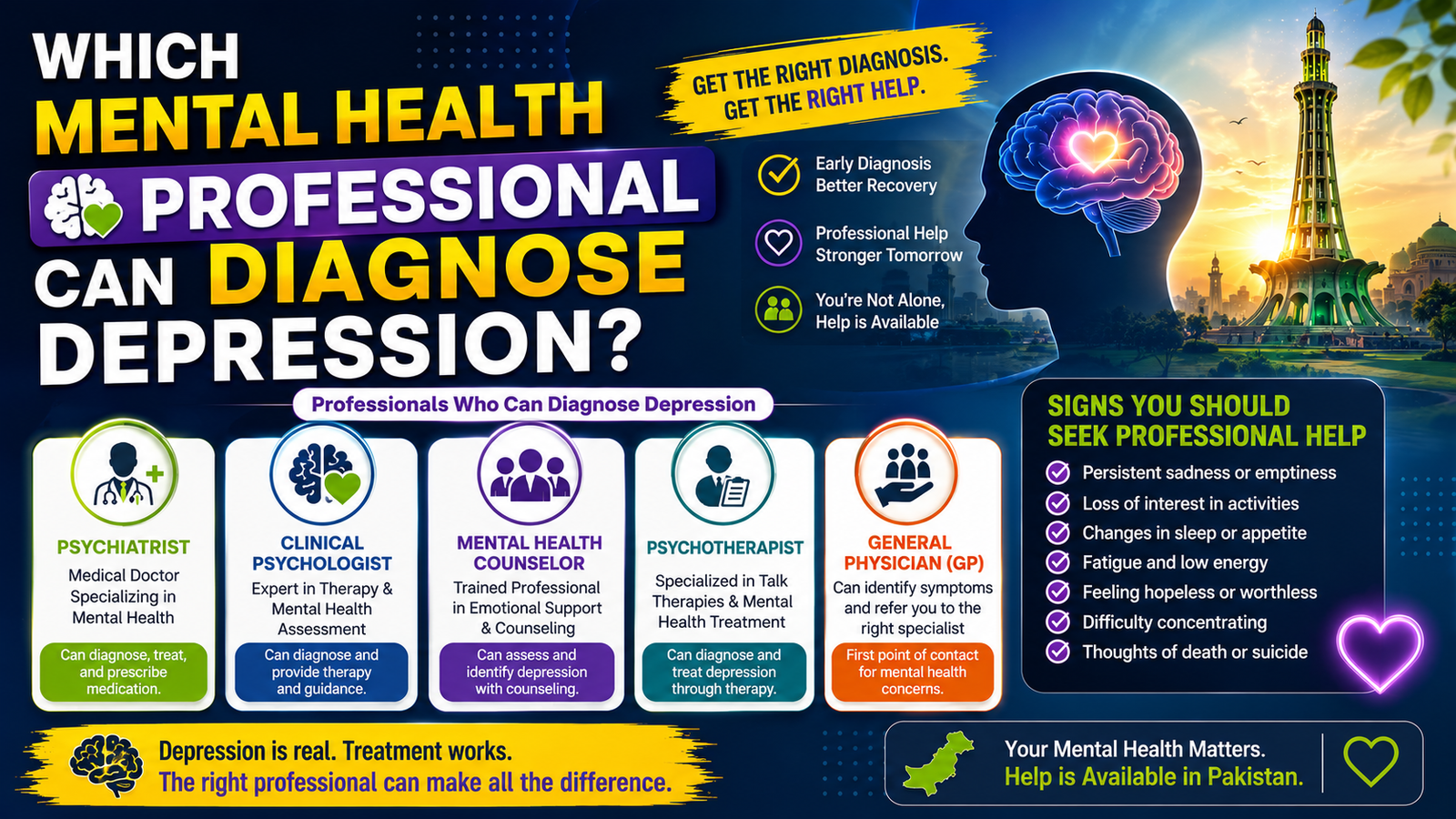
Several healthcare providers play different roles in diagnosing depression. Understanding these roles helps you choose the right specialist.
Psychiatrist
A psychiatrist is a medical doctor who specializes in diagnosing, treating, and preventing mental health conditions.
A psychiatrist can:
- Diagnose mild, moderate, and severe depression
- Prescribe antidepressant medications when needed
- Assess whether another medical condition is affecting mental health
- Treat depression alongside anxiety, bipolar disorder, or other psychiatric illnesses
- Monitor medication effectiveness and possible side effects
A psychiatric consultation is often recommended for individuals experiencing severe depression, suicidal thoughts, psychotic symptoms, or depression that has not improved with initial treatment.
Because psychiatrists have medical training, they can also identify physical illnesses that may contribute to depression symptoms.
Clinical Psychologist
A clinical psychologist is trained to assess emotional, behavioral, and psychological conditions using interviews, standardized assessments, and evidence-based psychological testing.
Clinical psychologists commonly:
- Evaluate emotional and behavioral symptoms
- Perform structured psychological assessments
- Diagnose depression and related conditions
- Provide therapy for depression
- Track progress during treatment
Unlike psychiatrists, clinical psychologists generally do not prescribe medication in Pakistan. Their primary focus is assessment, counseling, and psychotherapy.
Many people with mild to moderate depression benefit greatly from working with a clinical psychologist.
General Physician
Many people first visit a general physician because depression sometimes causes physical complaints instead of emotional ones.
A doctor may notice symptoms such as:
- Constant fatigue
- Poor sleep
- Loss of appetite
- Headaches
- Body pain
- Low energy
After evaluating these symptoms, the physician may perform basic medical tests to rule out physical illnesses before referring the patient to a depression treatment specialist if necessary.
General physicians play an important role in identifying depression early, especially when patients are unaware that their symptoms are related to mental health.
Other Mental Health Professionals
Depending on your situation, other qualified professionals may also be involved in your care.
These include licensed counselors, psychotherapists, psychiatric nurses, and social workers working under appropriate clinical supervision.
They may provide counseling, emotional support, coping strategies, and ongoing therapy after a formal diagnosis has been made by an authorized healthcare provider.
Working together as a team often provides the best outcomes for people living with depression.
Psychiatrist vs Clinical Psychologist: Which One Should You See?
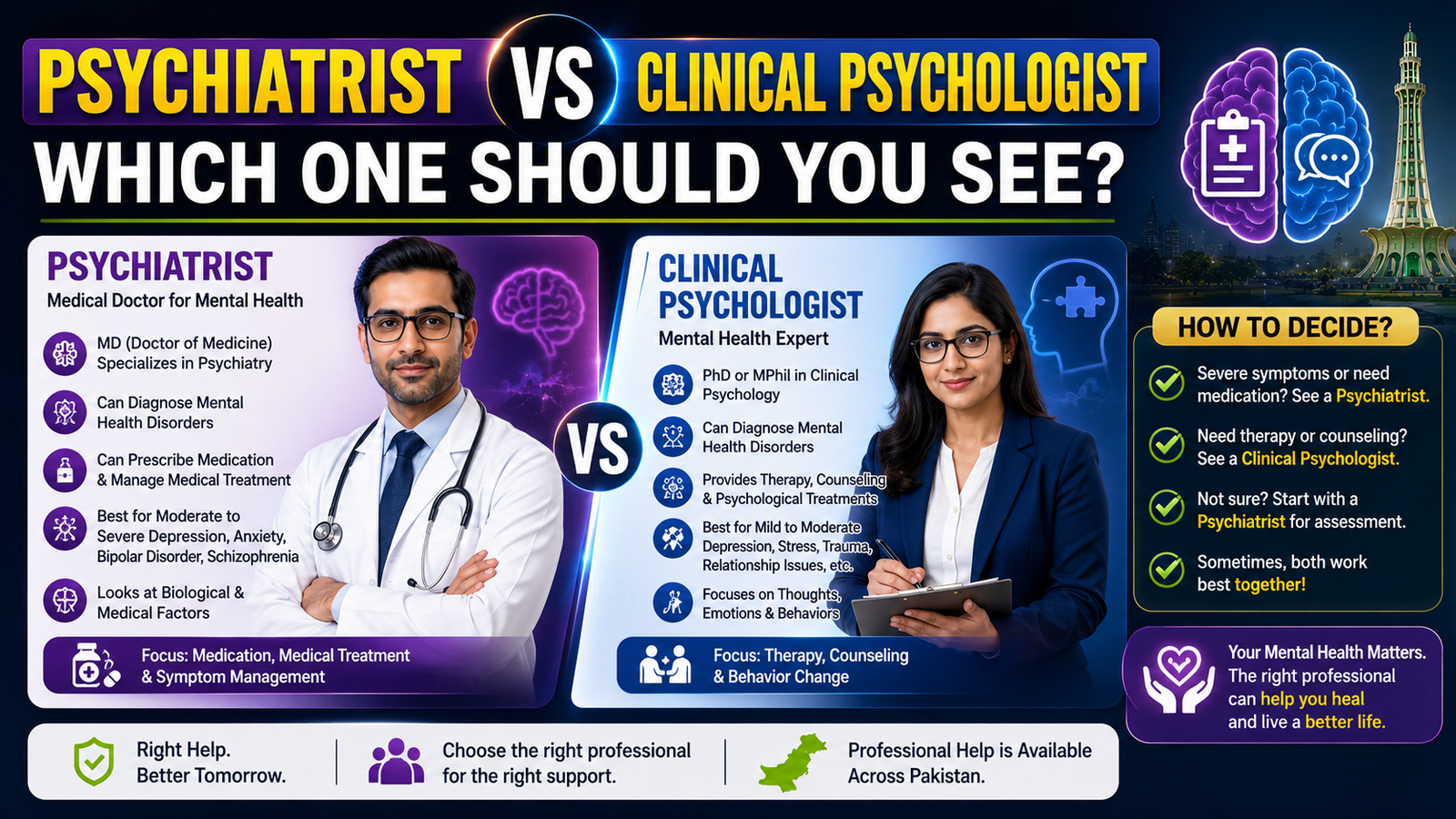
Many people are unsure whether they should book an appointment with a psychiatrist or a clinical psychologist.
While both professionals diagnose depression, their roles are different.
Feature | Psychiatrist | Clinical Psychologist |
Medical degree | Yes | No |
Can diagnose depression | Yes | Yes |
Can prescribe medication | Yes | Generally No in Pakistan |
Provides psychotherapy | Sometimes | Yes |
Performs psychological assessments | Limited | Extensive |
Best for | Moderate to severe depression, complex mental health conditions | Mild to moderate depression, therapy, and emotional assessment |
For many patients, treatment involves both professionals working together. A psychiatrist may manage medication, while a clinical psychologist provides regular therapy sessions to improve emotional wellbeing and coping skills.
Why an Accurate Mental Health Diagnosis Matters
Receiving the correct mental health diagnosis is the first step toward recovery.
Depression shares symptoms with several other conditions, including anxiety disorders, thyroid disease, vitamin deficiencies, bipolar disorder, chronic stress, and certain neurological illnesses.
Treating the wrong condition can delay recovery and increase emotional distress.
A qualified mental health professional carefully evaluates all possible causes before confirming a diagnosis. This comprehensive approach helps ensure that treatment is safe, effective, and tailored to the individual’s needs.
In Pakistan, increasing awareness about mental health has encouraged more people to seek professional care instead of ignoring symptoms or relying solely on self-diagnosis.
Early evaluation not only improves recovery but also reduces the risk of complications associated with untreated depression.
Depression Treatment Specialist: What Happens After Diagnosis?
Once depression has been diagnosed, the next step is creating a treatment plan that matches your symptoms, overall health, and personal needs.
A depression treatment specialist may recommend one or a combination of treatments depending on whether your depression is mild, moderate, or severe.
Treatment is not the same for everyone. Some people improve with therapy alone, while others benefit from medication, lifestyle changes, or a combination of approaches.
Regular follow-up appointments also help monitor progress and make adjustments when necessary.
The main goal of treatment is to reduce symptoms, improve daily functioning, and help individuals regain emotional wellbeing.
What Is Therapy for Depression?
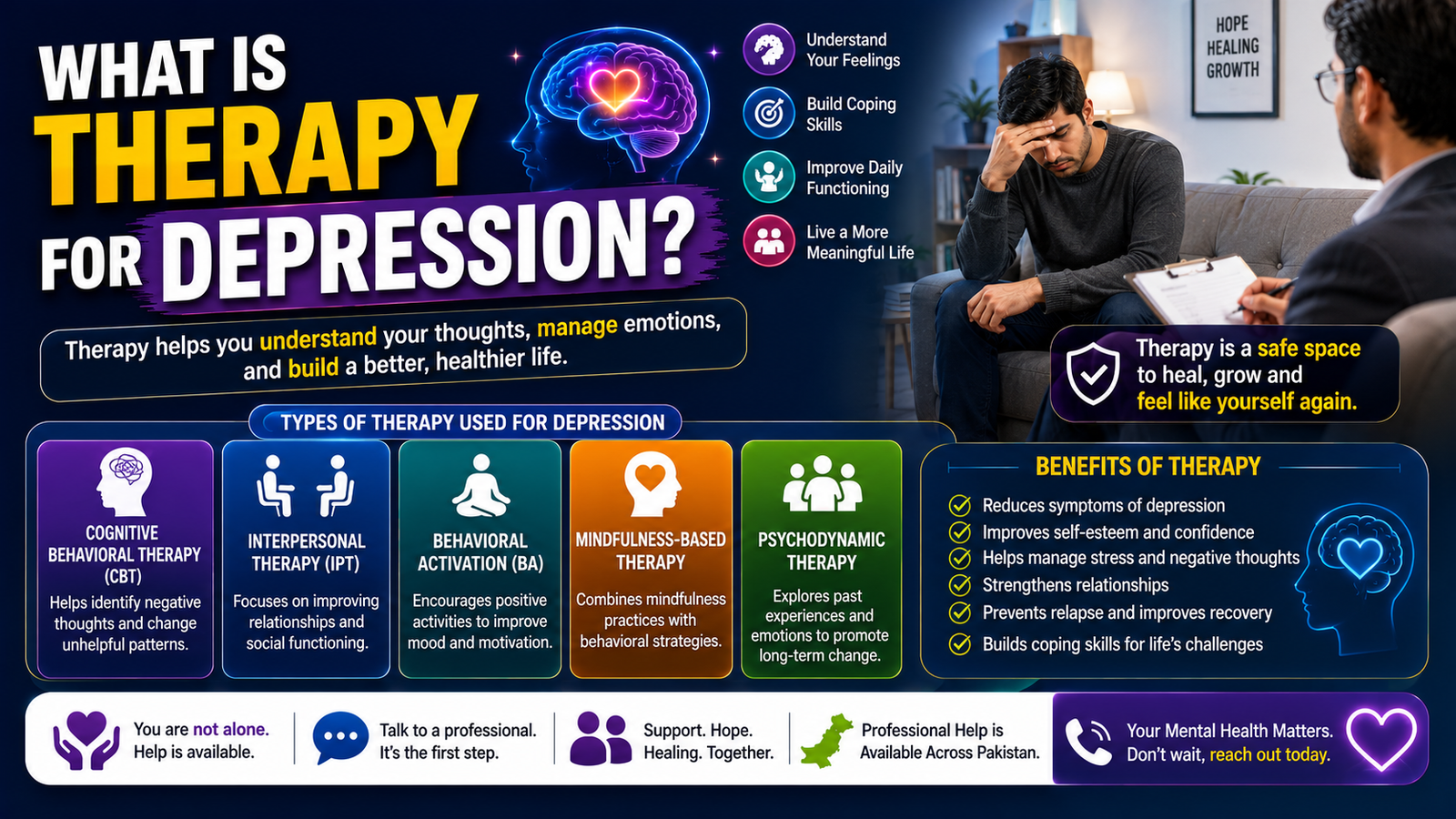
Therapy for depression is one of the most effective treatments for many people. It involves talking with a trained mental health professional who helps you understand your thoughts, emotions, and behaviors while teaching healthy coping strategies.
Therapy can help individuals identify negative thinking patterns, manage stress, improve communication, and develop practical skills for dealing with life’s challenges.
It also provides a safe and confidential environment where people can discuss their concerns without fear of judgment.
Many individuals begin to notice gradual improvement after attending therapy sessions consistently and following their treatment plan.
When Is a Psychiatrist Consultation Needed?
A psychiatrist consultation is particularly important when depression is severe, symptoms continue despite therapy, or medication may be required.
During the consultation, the psychiatrist reviews your medical history, current symptoms, previous treatments, and overall health before recommending the most appropriate treatment.
If medication is prescribed, regular follow-up visits are scheduled to monitor effectiveness and manage any side effects.
People experiencing severe depression, suicidal thoughts, psychotic symptoms, or depression alongside other mental health conditions often require ongoing care from a psychiatrist.
Psychiatrist vs Clinical Psychologist for Depression Treatment
Although both professionals help people with depression, their roles in treatment are different.
Feature | Psychiatrist | Clinical Psychologist |
Primary role | Medical diagnosis and treatment | Psychological assessment and therapy |
Can prescribe medication | Yes | No (in Pakistan) |
Provides psychotherapy | Sometimes | Yes |
Best for | Moderate to severe depression | Mild to moderate depression |
Follow-up care | Medication management | Counseling and behavioral therapy |
Many patients receive the best results when both professionals work together as part of a comprehensive treatment plan.
Can Depression Be Treated Successfully?
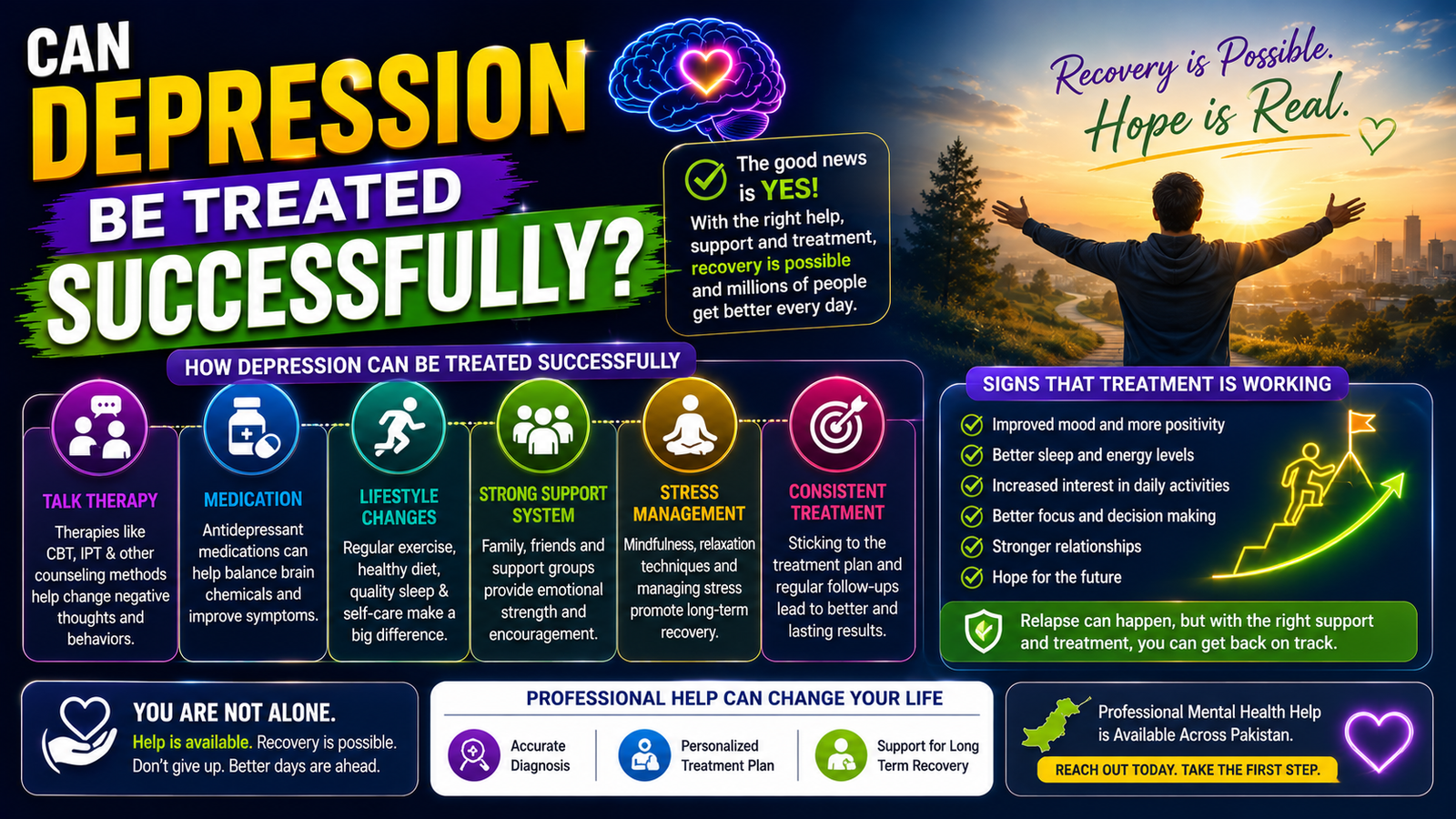
Yes. Depression is one of the most treatable mental health conditions when diagnosed early and managed by qualified professionals.
Recovery depends on several factors, including the severity of symptoms, how soon treatment begins, and whether the individual follows the recommended care plan.
Many people experience significant improvement through therapy, medication, healthy lifestyle habits, and support from family or friends.
It is important to remember that recovery takes time. Some people notice improvement within a few weeks, while others may require longer treatment and regular follow-up appointments.
Staying consistent with professional advice greatly improves long-term outcomes.
Frequently Asked Questions
Who is the best person to diagnose depression?
A psychiatrist or clinical psychologist is usually the most qualified professional to diagnose depression. General physicians can also identify symptoms and refer patients to specialists when needed.
Can a general doctor diagnose depression?
Yes. Many general physicians can recognize depression, perform an initial assessment, rule out physical illnesses, and refer patients to a mental health professional for further evaluation or treatment.
How long does a depression assessment take?
A complete assessment usually takes between 30 and 60 minutes, depending on the complexity of symptoms and medical history.
Is depression diagnosed through a blood test?
No. No blood test confirms depression. However, doctors may order laboratory tests to rule out medical conditions that can cause similar symptoms.
Should I see a psychologist or psychiatrist first?
If your symptoms are mild or moderate, starting with a clinical psychologist is often appropriate. If symptoms are severe, include suicidal thoughts, or medication may be needed, a psychiatrist is usually the better first choice.
Key Takeaways
- Depression is a medical condition that requires professional evaluation and should not be self-diagnosed.
- Qualified mental health professionals, including psychiatrists and clinical psychologists, can diagnose depression accurately.
- Depression screening and emotional health assessments help identify the severity and possible causes of symptoms.
- Early diagnosis increases the chances of successful treatment and recovery.
- Therapy, medication, or a combination of both may be recommended depending on individual needs.
- Seeking help is a positive step toward improving mental and emotional wellbeing
Conclusion
Knowing who can diagnose depression is the first step toward receiving the right care.
Qualified professionals, including psychiatrists and clinical psychologists, use detailed mental health assessments to identify depression and recommend appropriate treatment.
If you are experiencing ongoing symptoms of depression, scheduling a consultation with an experienced psychiatrist such as Dr. Ilyas Jat can help you receive an accurate diagnosis and evidence-based treatment.
With early intervention, proper therapy, and ongoing support, most people can successfully manage depression and improve their quality of life.