

Finding the right depression doctor in Karachi can be an important step toward improving mental health and overall well-being.
Depression is more than temporary sadness. It is a medical condition that can affect emotions, physical health, relationships, work performance, and daily activities.
Without proper care, symptoms may worsen over time.Many people delay seeking help because they believe depression will disappear on its own, or they worry about social stigma.
In reality, early diagnosis and evidence-based treatment often lead to better outcomes.
Whether symptoms are mild or severe, consulting a qualified mental health professional can provide the right support, diagnosis, and treatment plan.
This guide explains depression, its symptoms, available treatment options, how to choose the right specialist, and practical tips for long-term recovery.
It also answers common questions people ask before scheduling their first appointment.
What Is Depression?
Depression, also called major depressive disorder, is a common mental health condition that affects how a person thinks, feels, and behaves.
It can interfere with work, education, family life, and personal relationships.
Unlike normal sadness after a difficult event, depression usually lasts for weeks or months and often requires professional care.
People with depression may experience emotional, physical, and cognitive symptoms that reduce their quality of life.
Fortunately, modern treatments can help most individuals recover and regain emotional stability.
Why Mental Health Care Matters
Mental health plays an important role in every aspect of life. Good mental health helps people make decisions, manage stress, build relationships, and achieve personal goals.
Ignoring depression can increase the risk of:
- Reduced productivity
- Poor physical health
- Relationship problems
- Sleep disorders
- Anxiety disorders
- Substance misuse
- Lower quality of life
Early treatment can reduce these risks and improve long-term outcomes.
Signs That You Should Visit a Depression Doctor in Karachi
Depression symptoms vary from person to person. Some people experience emotional changes, while others notice physical symptoms first.
Common warning signs include:
- Persistent sadness lasting more than two weeks
- Loss of interest in favorite activities
- Constant fatigue
- Difficulty concentrating
- Sleep problems
- Appetite changes
- Feelings of hopelessness
- Excessive guilt
- Irritability
- Social withdrawal
- Low motivation
- Unexplained physical aches
If these symptoms interfere with daily life, seeking medical advice is recommended.
Common Causes of Depression
Depression rarely develops from a single cause. Instead, it often results from several contributing factors working together.
Some common causes include:
- Family history of depression
- Chronic stress
- Major life changes
- Financial difficulties
- Relationship conflicts
- Serious medical illnesses
- Hormonal changes
- Certain medications
- Traumatic experiences
- Long-term anxiety
Recognizing these contributing factors helps healthcare professionals create an effective treatment plan.
Types of Depression
Different forms of depression require different treatment approaches.
Type | Description | Common Treatment |
Major Depressive Disorder | Persistent low mood affecting daily life | Medication, psychotherapy, lifestyle changes |
Persistent Depressive Disorder | Long-lasting symptoms for two years or longer | Therapy with medication if needed |
Seasonal Affective Disorder | Depression linked to seasonal changes | Light therapy, counseling, and medication |
Postpartum Depression | Occurs after childbirth | Therapy, medication under medical guidance |
Bipolar Depression | Depressive episodes associated with bipolar disorder | Mood stabilizers and specialist care |
Each diagnosis requires evaluation by a qualified mental health professional rather than self-diagnosis.
Who Treats Depression?
Several healthcare professionals may participate in treatment depending on the patient’s needs.
A psychiatrist for depression in Karachi is a medical doctor specializing in diagnosing mental illnesses and prescribing medications.
A mental health doctor in Karachi may assess symptoms, recommend treatment plans, and coordinate ongoing care.
A psychologist provides evidence-based psychotherapy without prescribing medication in most situations.
Counselors and therapists help patients develop coping strategies, improve emotional resilience, and manage stress.
Some patients benefit from collaborative care involving multiple specialists.
Benefits of Seeing a Depression Specialist
Professional treatment offers several advantages over trying to manage depression alone.
Benefits of Professional Depression Care
- Accurate diagnosis based on medical evaluation
- Personalized treatment plans
- Access to evidence-based therapies
- Medication management when appropriate
- Regular monitoring of recovery progress
- Support for family members when needed
- Prevention of symptom worsening
- Better long-term quality of life
Mental health professionals adjust treatment as symptoms improve or change over time.
How a Depression Specialist Makes a Diagnosis
Diagnosing depression involves more than simply asking whether someone feels sad.
A depression specialist in Karachi typically begins with a detailed discussion about symptoms, medical history, lifestyle, sleep patterns, emotional health, and family history.
The evaluation may also include:
- Physical health review
- Medication assessment
- Screening questionnaires
- Mental status examination
- Assessment of anxiety symptoms
- Evaluation of stress factors
- Review of daily functioning
These steps help rule out other medical conditions that may produce similar symptoms.
Depression Treatment Options
A personalized treatment plan offers the best chance for recovery.
The right approach depends on the severity of symptoms, overall health, personal preferences, and whether other mental or physical health conditions are present.
A qualified clinical depression specialist Karachi evaluates these factors before recommending treatment.
Some individuals recover with therapy alone, while others benefit from a combination of medication, counseling, and healthy lifestyle changes.
Regular follow-up appointments help monitor progress and adjust treatment when necessary.
Depression Therapy Karachi

Psychotherapy, often called talk therapy, is one of the most effective treatments for depression.
It helps people identify unhealthy thought patterns, improve emotional regulation, and build practical coping skills.
Several evidence-based therapies are commonly used:
Cognitive Behavioral Therapy (CBT)
CBT focuses on replacing negative thinking patterns with healthier and more realistic thoughts.
It also teaches practical problem-solving skills that patients can use in everyday life.
Interpersonal Therapy (IPT)
This therapy helps improve communication skills and relationships that may contribute to depression.
It is especially helpful after major life events such as divorce, grief, or family conflict.
Behavioral Activation
Behavioral activation encourages people to gradually return to enjoyable and meaningful activities.
Even small daily achievements can improve mood over time.
Mindfulness-Based Therapy
Mindfulness techniques teach people to stay focused on the present rather than becoming trapped in negative thoughts about the past or future.
A professional offering depression therapy in Karachi may combine these approaches depending on individual needs.
Depression Counselling Karachi
Many people confuse counseling with psychotherapy. Although they share similarities, counseling often focuses on solving current life challenges, improving coping strategies, and providing emotional support.
A qualified professional providing depression counselling Karachi can help patients:
- Manage stress more effectively.
- Improve communication with family members.
- Build healthier daily routines.
- Develop realistic personal goals.
- Increase confidence during recovery.
- Learn techniques for preventing relapse.
- Improve emotional resilience.
Counseling may be particularly helpful for people experiencing mild to moderate depression or those coping with stressful life events.
Medication for Depression
Medication may be recommended when symptoms are moderate to severe or when therapy alone has not provided enough improvement.
A depression psychiatrist in Karachi carefully evaluates each patient’s medical history before prescribing medication.
Common antidepressants work by balancing brain chemicals involved in mood regulation. Most medications require several weeks before noticeable improvement occurs.
Patients should never stop antidepressant medication without consulting their healthcare provider because sudden discontinuation may lead to withdrawal symptoms or symptom recurrence.
Regular follow-up appointments allow doctors to monitor effectiveness, adjust dosages, and manage possible side effects.
Lifestyle Changes That Support Recovery
Professional treatment works even better when combined with healthy daily habits.
Small lifestyle improvements can strengthen emotional health and reduce the likelihood of future depressive episodes.
Healthy routines include maintaining consistent sleep, eating balanced meals, engaging in regular physical activity, limiting alcohol, staying socially connected, and practicing stress management techniques.
These habits do not replace professional treatment but often improve overall recovery.
How to Choose the Best Depression Doctor Karachi
Choosing the right mental health professional is a personal decision.
Every patient has different needs, communication preferences, and treatment goals.
Factors to Consider When Choosing a Specialist
- Verify professional qualifications and licensing.
- Consider experience treating depressive disorders.
- Look for evidence-based treatment approaches.
- Ask about psychotherapy and medication options.
- Evaluate communication style during the first consultation.
- Consider clinic accessibility and appointment availability.
- Review patient feedback from reliable healthcare platforms.
- Choose someone with whom you feel comfortable discussing personal concerns.
Selecting the right specialist often improves long-term treatment success because trust plays an important role in mental healthcare.
What Happens During Your First Appointment?
Many people feel nervous before meeting a mental health professional for the first time. Knowing what to expect can reduce anxiety.
During the initial consultation, the doctor usually asks about current symptoms, personal history, medical conditions, medications, sleep, work, family relationships, and recent life events.
The doctor may also ask questions about mood changes, appetite, concentration, and daily functioning.
Honest answers allow the healthcare professional to make an accurate diagnosis and recommend the most appropriate treatment plan.
Before leaving the appointment, patients usually receive guidance about therapy, medication if required, follow-up visits, and practical self-care strategies.
Common Mistakes People Make When Treating Depression
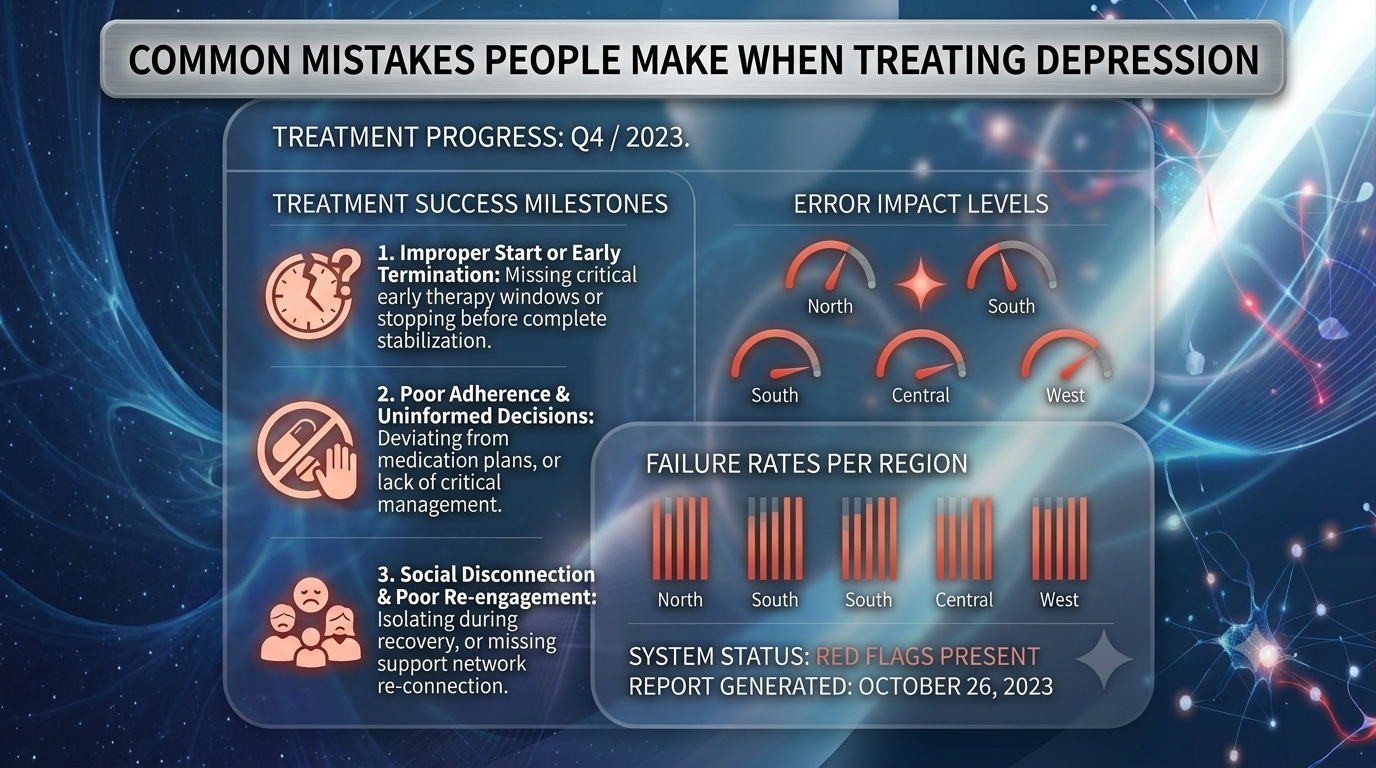
Recovery becomes more difficult when certain common mistakes delay or interrupt proper care.
Some people ignore symptoms because they believe depression is simply a phase. Others stop medication early after feeling slightly better, increasing the chance of relapse.
Self-medicating with alcohol or recreational drugs may temporarily mask symptoms but often worsens depression over time.
Another frequent mistake is avoiding therapy due to fear of judgment.
Mental health professionals provide confidential, evidence-based care designed to support recovery without criticism.
Family members should also avoid assuming that positive thinking alone can cure depression. Professional treatment remains the safest and most effective approach for persistent symptoms.
Step-by-Step Guide to Seeking Help
Seeking professional support becomes easier when broken into manageable steps.
Begin by recognizing symptoms that persist for more than two weeks. Schedule an appointment with a qualified mental health professional for a comprehensive assessment.
Follow the recommended treatment plan, attend therapy sessions consistently, and take prescribed medications exactly as directed.
Monitor improvements over time and communicate any concerns with your healthcare provider.
Continue healthy daily habits even after symptoms improve, as long-term maintenance reduces the likelihood of recurrence.
Recovery is rarely immediate, but steady progress is common when treatment remains consistent.
Practical Example: Recognizing Depression Early
Imagine a 32-year-old office worker who has gradually lost interest in hobbies, struggles to concentrate at work, and feels exhausted despite getting enough sleep.
Friends notice they avoid social gatherings, and family members observe increased irritability.
Instead of ignoring these symptoms, the individual consults a mental health doctor in Karachi.
After a thorough assessment, the doctor diagnoses moderate depression and recommends Cognitive Behavioral Therapy (CBT), regular exercise, improved sleep habits, and medication.
After several months of consistent treatment and follow-up appointments, the patient experiences a better mood, improved focus, and renewed interest in daily life.
This example shows how early professional care can significantly improve recovery.
Expert Recommendations for Managing Depression
Mental health professionals agree that successful recovery depends on consistency and patience.
While every person’s journey is different, several evidence-based practices can improve outcomes.
Seek professional help as soon as symptoms interfere with daily life, rather than waiting for them to become severe.
Attend all scheduled therapy sessions and follow your treatment plan even if progress feels slow. Build a routine that includes healthy sleep, balanced nutrition, regular physical activity, and meaningful social interaction.
Keep communication open with your healthcare provider about any changes in symptoms or medication side effects.
Family members and trusted friends can also provide valuable emotional support throughout the recovery process.
Recovery is often gradual, but steady improvements become more likely when treatment remains consistent.
Can Depression Be Prevented?
Although depression cannot always be prevented, certain habits may reduce the risk or lessen its impact.
Maintaining a healthy lifestyle, managing stress effectively, staying physically active, developing strong social connections, and seeking help early for emotional difficulties all contribute to better mental well-being.
People with a family history of depression or previous depressive episodes should remain attentive to early warning signs and seek professional advice promptly if symptoms return.
When Should You Seek Immediate Medical Help?
Most cases of depression can be managed through scheduled medical care.
However, some situations require urgent professional attention.
Seek immediate medical assistance if someone experiences persistent thoughts of self-harm, expresses feelings of hopelessness that continue to worsen, becomes unable to perform basic daily activities, or shows sudden, severe behavioral changes.
Prompt intervention can protect health and improve long-term recovery.
Frequently Asked Questions
How do I know if I need a depression doctor?
If feelings of sadness, hopelessness, fatigue, or loss of interest continue for more than two weeks and affect daily life, it is advisable to consult a qualified mental health professional for evaluation.
What is the difference between a psychiatrist and a psychologist for depression?
A psychiatrist is a medical doctor who can diagnose mental health conditions and prescribe medication when needed.
A psychologist primarily provides psychotherapy and behavioral treatments but generally does not prescribe medication.
How long does depression treatment usually take?
Treatment duration varies depending on symptom severity and individual response.
Some people improve within a few months, while others benefit from longer-term therapy and follow-up care.
Is depression treatable without medication?
Yes. Mild to moderate depression may improve with psychotherapy, counseling, healthy lifestyle changes, and stress management.
Moderate to severe depression may require medication alongside therapy.
Can depression return after recovery?
Yes, depression can recur. Continuing healthy habits, attending follow-up appointments, and seeking early treatment if symptoms return can reduce the risk of relapse.
Conclusion
Choosing the right depression doctor in Karachi is an important step toward improving mental health and quality of life.
Depression is a treatable medical condition, and early diagnosis often leads to better outcomes.
Whether treatment includes psychotherapy, medication, counseling, lifestyle changes, or a combination of these approaches, personalized care offers the greatest chance for lasting recovery.
If symptoms such as persistent sadness, loss of interest, fatigue, or difficulty concentrating continue for more than two weeks, consulting a qualified mental health professional is a wise decision.
With the right guidance and consistent care, many people successfully manage depression and return to healthy, fulfilling lives.