

Mental health affects every part of life—from the way you think and feel to how you work, build relationships, and handle daily challenges.
Yet many people delay getting help because they are unsure where to start or worry about being judged.
The truth is that seeking professional support is a sign of strength, not weakness.
Whether you’re struggling with persistent stress, anxiety, depression, trauma, relationship difficulties, or simply want to improve your emotional wellbeing, the right treatment can make a meaningful difference.
Modern therapy and psychiatric care have helped millions of people regain confidence, improve their relationships, and enjoy healthier, more balanced lives.
Today, qualified psychologists, psychiatrists, licensed therapists, and behavioral health specialists offer personalized care plans that address each individual’s unique needs.
From Cognitive Behavioral Therapy (CBT) and psychotherapy to medication management and online counseling, there are more treatment options than ever before.
In this comprehensive guide, you’ll learn how professional care works, who can benefit from it, the types of therapies available, what happens during treatment, and how to choose the right provider.
You’ll also discover practical tips, common misconceptions, and answers to the questions people ask most before booking their first appointment.
What Are Mental Health Services?
Mental health services are professional healthcare solutions designed to diagnose, treat, manage, and prevent emotional, psychological, and behavioral conditions.
They also help people improve resilience, develop healthier coping strategies, and maintain long-term emotional wellness.
These services are provided by trained professionals such as:
- Licensed psychologists
- Board-certified psychiatrists
- Licensed therapists
- Clinical psychologists
- Mental healthcare providers
- Behavioral health specialists
- Professional counselors
- Social workers specializing in mental health
Their goal is not only to treat mental illness but also to improve emotional wellbeing, daily functioning, relationships, productivity, and overall quality of life.
These services commonly include:
- Individual counseling
- Family counseling
- Marriage counseling
- Group therapy
- Psychotherapy services
- Psychiatric evaluation
- Mental health assessment
- Medication management
- Crisis counseling
- Addiction counseling
- Child psychology services
- Adolescent mental health care
- Adult mental health care
- Online mental health services
- Telehealth counseling
Many people assume therapy is only for severe mental illness. In reality, professional counseling also helps individuals manage everyday stress, career challenges, parenting concerns, grief, and life transitions.
Who Needs Mental Health Care?
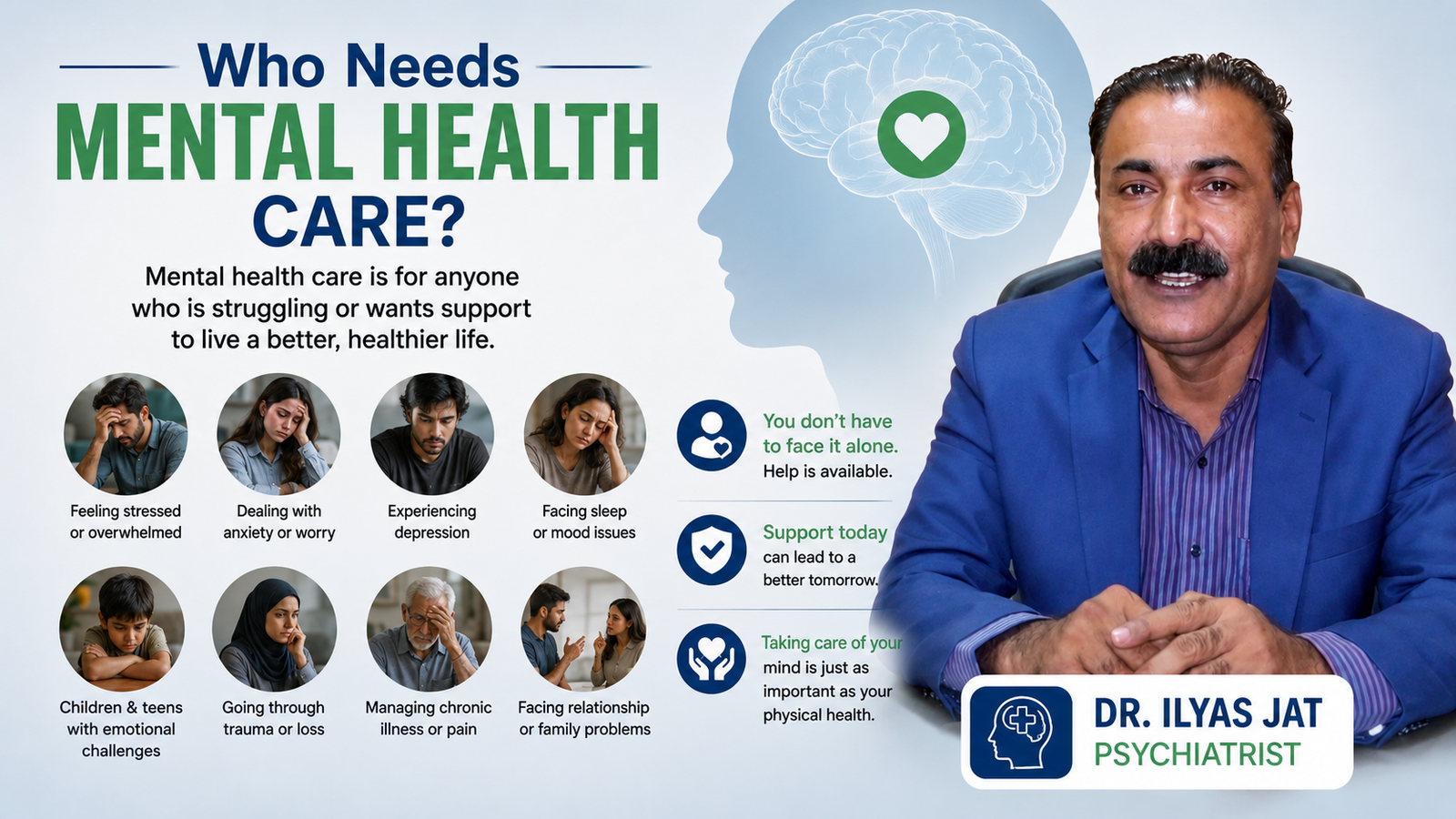
Almost anyone can benefit from professional emotional support at some point in life. Mental health exists on a spectrum, meaning you don’t need a diagnosis to seek help.
You may benefit from counseling or therapy if you experience:
- Constant stress
- Anxiety that interferes with daily life
- Persistent sadness
- Panic attacks
- Mood swings
- Sleep disturbances
- Burnout
- Trauma after an accident or abuse
- Relationship conflicts
- Workplace stress
- Difficulty managing anger
- Grief after losing a loved one
- Substance misuse
- Trouble focusing at school or work
Real-Life Example
Imagine a marketing manager who suddenly begins missing deadlines because of overwhelming anxiety.
Instead of assuming it’s simply work pressure, they consult a licensed psychologist.
Through CBT therapy and stress management techniques, they gradually learn healthier thinking patterns, regain productivity, and restore work-life balance.
Early intervention often prevents symptoms from becoming more severe.
How Do Mental Health Services Help?
Professional treatment addresses the root causes of emotional distress instead of only reducing symptoms.
Some of the biggest benefits include:
Better Emotional Regulation
Therapists teach practical coping strategies that help people respond calmly to difficult situations.
Improved Relationships
Family therapy and relationship counseling improve communication, rebuild trust, and reduce ongoing conflicts.
Greater Self-Awareness
Psychotherapy encourages individuals to recognize harmful thought patterns, emotional triggers, and unhealthy behaviors.
Reduced Symptoms
Evidence-based treatments effectively reduce symptoms associated with:
- Anxiety Disorder
- Depression
- Panic Disorder
- Obsessive Compulsive Disorder (OCD)
- Bipolar Disorder
- Schizophrenia
- Post-Traumatic Stress Disorder (PTSD)
Healthier Lifestyle Choices
Many patients experience improvements in:
- Sleep quality
- Productivity
- Confidence
- Physical health
- Decision-making
- Emotional resilience
Research from leading health organizations consistently shows that early psychological intervention improves recovery outcomes and long-term wellbeing.
What Types of Therapy Services Are Available?
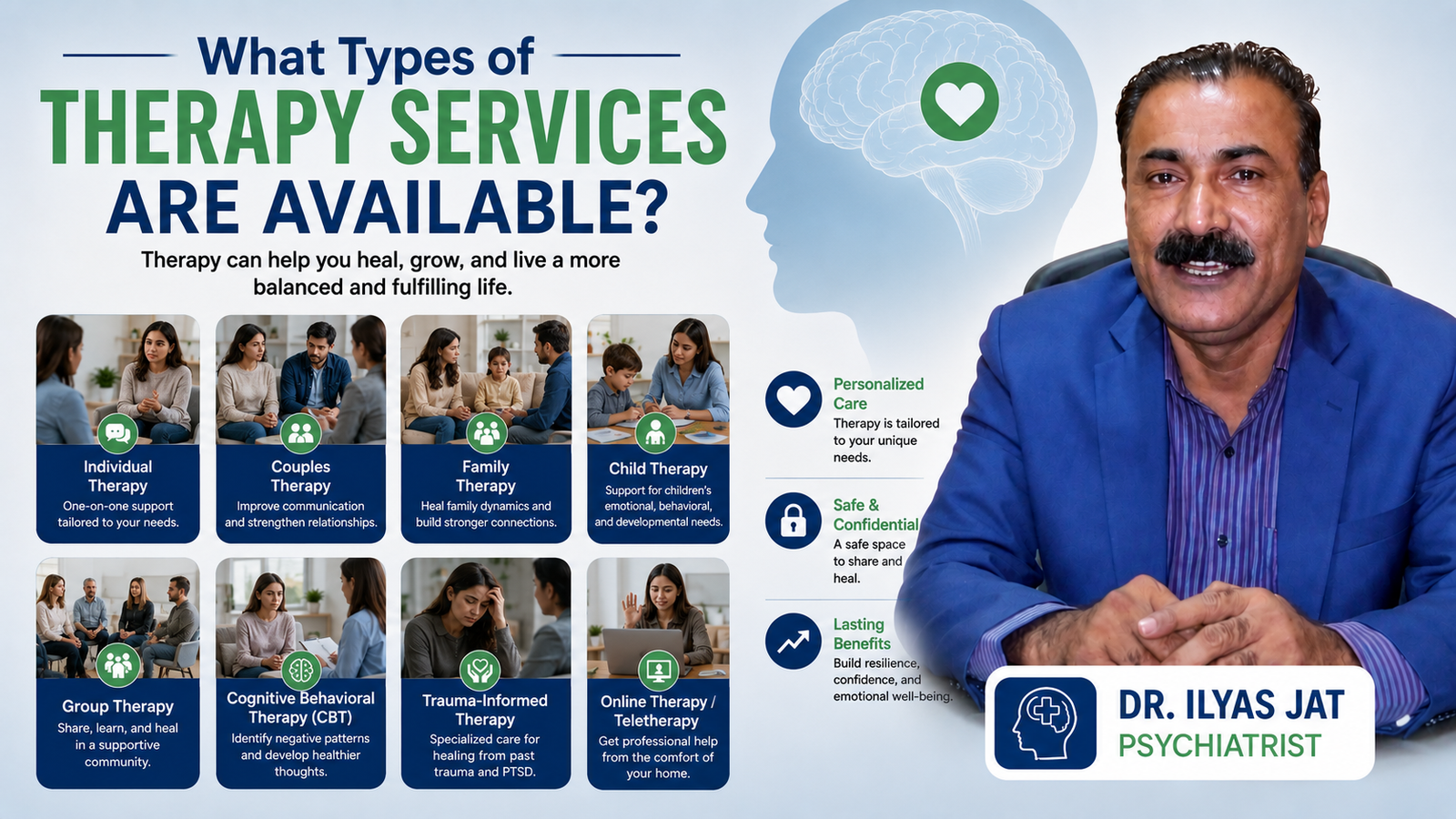
Modern behavioral health services offer various treatment approaches because every individual has different needs.
Therapy | Best For | Primary Goal |
Cognitive Behavioral Therapy (CBT) | Anxiety, depression, OCD | Change negative thinking patterns |
Dialectical Behavior Therapy (DBT) | Emotional regulation | Improve coping skills and emotional balance |
Psychotherapy | Broad emotional concerns | Explore thoughts, emotions, and behaviors |
Group Therapy | Social support | Learn through shared experiences |
Family Therapy | Relationship conflicts | Strengthen family communication |
Marriage Counseling | Couples | Resolve conflicts and rebuild trust |
Behavioral Therapy | Children and adults | Modify unhealthy behaviors |
Mindfulness Therapy | Stress management | Increase emotional awareness and relaxation |
Therapists often combine multiple approaches to create a personalized treatment plan that matches each person’s goals and symptoms.
When Should You Seek Mental Health Treatment?
One of the biggest misconceptions is waiting until symptoms become unbearable.
Consider scheduling a psychologist consultation or psychiatrist consultation if you notice:
- Symptoms lasting more than two weeks
- Constant worry affecting daily life
- Loss of interest in activities you once enjoyed
- Difficulty functioning at work or school
- Withdrawal from friends and family
- Frequent emotional outbursts
- Ongoing panic attacks
- Thoughts of hopelessness
- Difficulty managing trauma
- Excessive alcohol or substance use to cope
Seeking help early often leads to faster recovery and better long-term outcomes.
What Conditions Can Mental Health Professionals Treat?
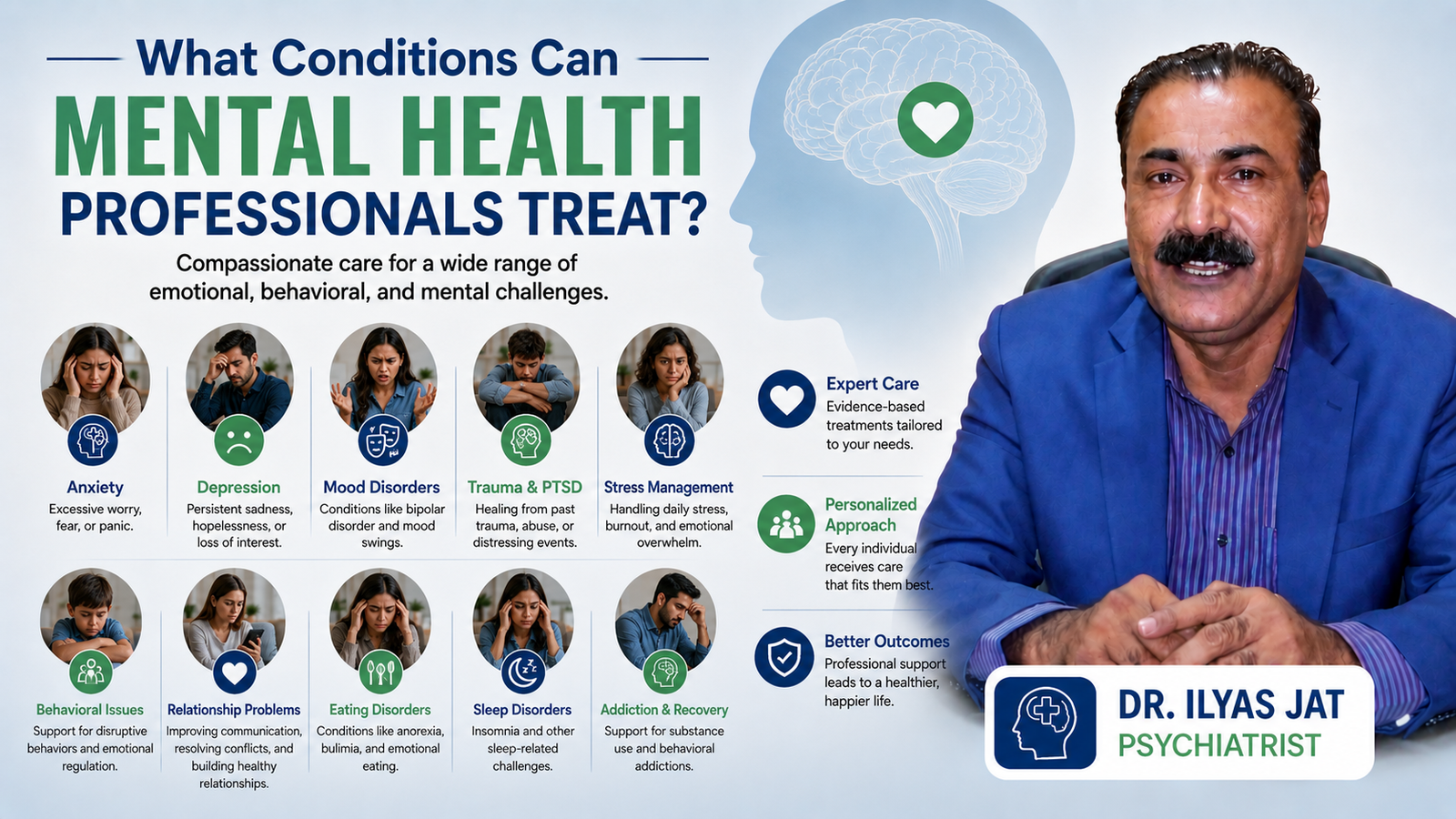
Experienced therapists and psychiatrists provide comprehensive care for a wide range of psychological and behavioral conditions.
Common conditions include:
Anxiety Disorders
Treatment may include:
- CBT therapy
- Relaxation techniques
- Exposure therapy
- Mindfulness exercises
- Medication when appropriate
Depression
Professional care may involve:
- Psychotherapy
- Cognitive Behavioral Therapy
- Lifestyle changes
- Medication management
- Emotional support therapy
Trauma and PTSD
Trauma-focused therapy helps individuals process painful experiences safely while developing healthier coping mechanisms.
Obsessive-Compulsive Disorder (OCD)
Treatment combines behavioral therapy, CBT, and in some cases psychiatric medication.
Bipolar Disorder
Successful treatment usually includes psychotherapy, medication management, family education, and long-term monitoring.
Schizophrenia
Comprehensive care often involves psychiatric services, medication, family support, rehabilitation programs, and ongoing therapy.
What Is the Difference Between a Psychologist and a Psychiatrist?
Many people use these terms interchangeably, but they have different roles in mental health care.
Knowing the difference helps you choose the right professional for your needs.
Psychologist | Psychiatrist |
Holds advanced training in psychology | Medical doctor (MD) specializing in mental health |
Performs psychological assessments | Performs psychiatric evaluations |
Provides psychotherapy and counseling | Diagnoses mental disorders and prescribes medication |
Uses evidence-based therapies like CBT and DBT | Manages complex mental health conditions with medication and therapy |
Focuses on behavioral and emotional changes | Focuses on both biological and psychological aspects of treatment |
Which One Should You See?
A licensed psychologist is often the best choice if you’re dealing with:
- Stress
- Mild to moderate anxiety
- Depression
- Relationship challenges
- Personal growth
- Workplace burnout
A board-certified psychiatrist may be more appropriate if you have:
- Severe depression
- Bipolar disorder
- Schizophrenia
- Persistent panic attacks
- Suicidal thoughts
- Symptoms requiring medication
In many cases, psychologists and psychiatrists work together to provide comprehensive care.
What Happens During a Mental Health Assessment?
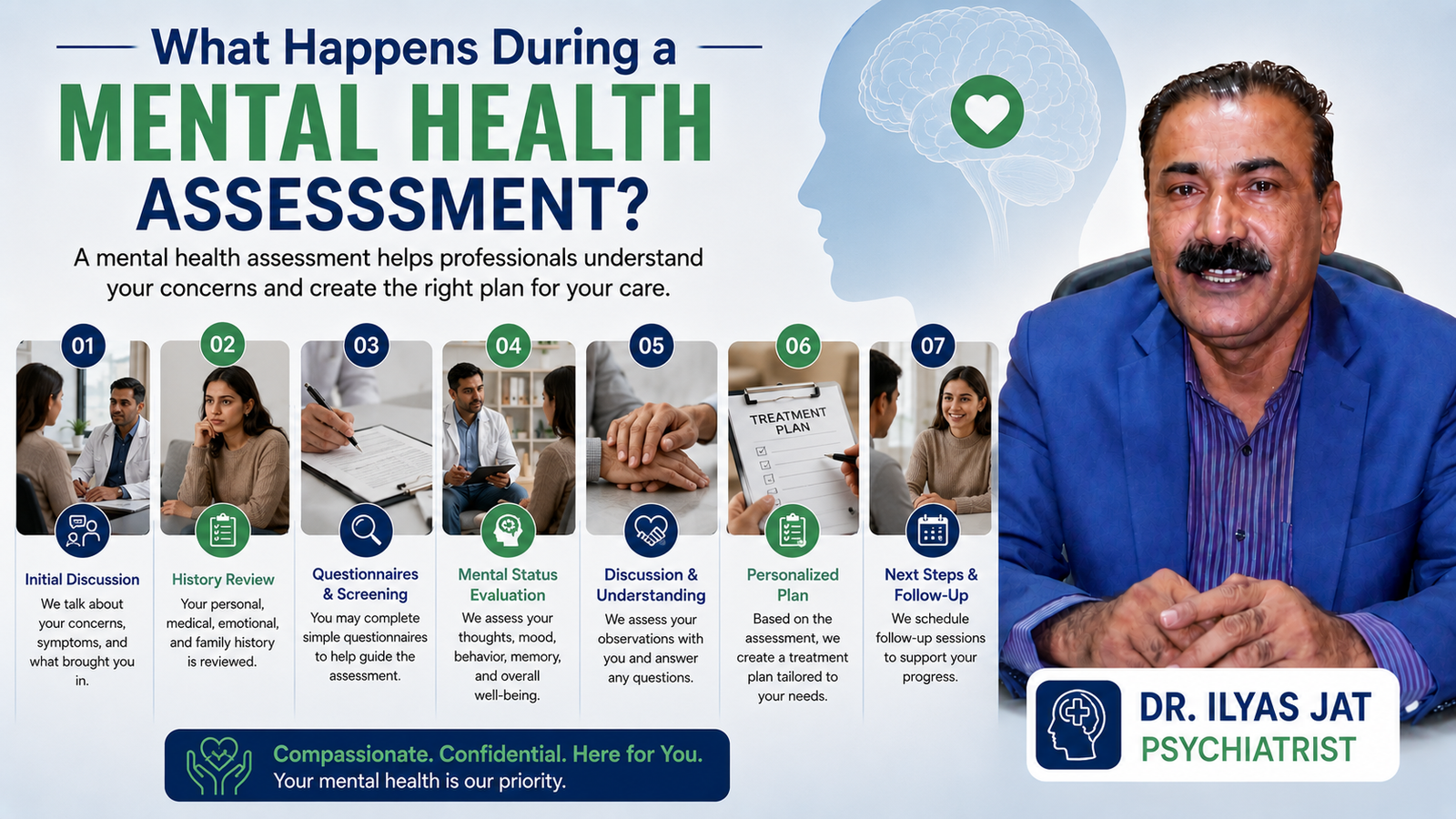
One of the biggest concerns for first-time patients is not knowing what to expect.
Fortunately, the process is confidential, respectful, and focused on helping you.
A typical mental health assessment may include:
- Discussion of your current concerns
- Review of medical history
- Family mental health history
- Lifestyle habits
- Sleep patterns
- Stress levels
- Emotional wellbeing
- Relationships
- Work or school performance
The clinician may also use standardized screening tools to evaluate symptoms of anxiety, depression, PTSD, OCD, or other mood disorders.
At the end of the assessment, you’ll usually receive:
- A preliminary diagnosis (if appropriate)
- Treatment recommendations
- Therapy goals
- A personalized care plan
- Referral to another specialist if needed
Remember, an assessment is not a test you can pass or fail. It’s simply the first step toward receiving the right support.
Are Online Mental Health Services Effective?
Yes. Online therapy has become a trusted option for many individuals seeking convenient and confidential care.
Research shows that telehealth counseling can be just as effective as in-person therapy for many conditions, including anxiety, depression, stress, and mild to moderate trauma-related concerns.
Benefits of Online Therapy
- Attend sessions from home
- Greater privacy
- Reduced travel time
- Flexible appointment scheduling
- Access to specialists outside your city
- Easier continuity of care
Online psychologist consultations are especially helpful for:
- Busy professionals
- Students
- Parents
- People with mobility challenges
- Individuals living in remote areas
However, severe psychiatric emergencies or situations involving immediate safety concerns generally require in-person evaluation or emergency care.
How Do Therapy Services Support Children and Teenagers?
Children and adolescents experience emotional challenges differently from adults.
Academic pressure, bullying, family changes, social media, and developmental transitions can all affect their mental wellbeing.
Child psychology services focus on helping young people develop healthy emotional and behavioral skills.
Common reasons families seek support include:
- Anxiety
- School refusal
- Attention difficulties
- Behavioral problems
- Low self-esteem
- Anger issues
- Social anxiety
- Trauma
- Family conflict
Therapists often use age-appropriate approaches such as:
- Play therapy
- Behavioral therapy
- Family therapy
- Cognitive Behavioral Therapy (CBT)
- Parent guidance sessions
Early intervention can significantly improve emotional resilience and academic performance.
Why Are Family Counseling and Marriage Counseling Important?
Mental health doesn’t exist in isolation. Relationships strongly influence emotional wellbeing.
Family Counseling Helps:
- Improve communication
- Resolve ongoing conflicts
- Support children through difficult transitions
- Strengthen family relationships
- Develop healthier coping strategies
Marriage Counseling Helps Couples:
- Resolve misunderstandings
- Improve communication
- Rebuild trust
- Manage financial stress
- Navigate parenting challenges
- Strengthen emotional intimacy
Seeking counseling early often prevents small issues from becoming long-term problems.
When Is Crisis Counseling Necessary?
Crisis counseling provides immediate emotional support during overwhelming situations.
You may benefit from crisis intervention after:
- Losing a loved one
- A serious accident
- Domestic violence
- Natural disasters
- Job loss
- Sudden trauma
- Emotional breakdown
- Severe panic attacks
Mental health professionals help individuals stabilize emotionally while developing a recovery plan for long-term healing.
If someone is experiencing suicidal thoughts or is in immediate danger, emergency services or local crisis resources should be contacted without delay.
How Does Addiction Counseling Support Recovery?
Substance use disorders often occur alongside anxiety, depression, or unresolved trauma. Treating only the addiction without addressing the underlying emotional issues may increase the risk of relapse.
Addiction counseling focuses on:
- Identifying emotional triggers
- Preventing relapse
- Building healthy routines
- Strengthening coping skills
- Improving relationships
- Managing stress without substances
Many treatment plans combine individual counseling, group therapy, family therapy, and psychiatric support for the best outcomes.
How Much Do Mental Health Services Cost?
The cost of care varies depending on several factors, including:
- Type of provider
- Clinic location
- Session length
- Treatment approach
- Insurance coverage
- Online vs. in-person appointments
While specialized psychiatric care may cost more than standard counseling sessions, many clinics now offer affordable mental health services, sliding-scale fees, or online consultation options to improve accessibility.
Instead of choosing solely based on price, consider the provider’s qualifications, experience, treatment methods, and patient-centered approach.
How Can You Choose the Best Mental Health Clinic?
Finding the right clinic can make a significant difference in your treatment experience.
Look for These Qualities
- Licensed psychologists and psychiatrists
- Evidence-based treatment methods
- Confidential counseling environment
- Personalized treatment plans
- Positive patient reviews
- Transparent pricing
- Flexible appointment scheduling
- Online consultation availability
- Comprehensive behavioral health services
Questions to Ask Before Booking
- What conditions do you specialize in?
- Which therapy approaches do you use?
- Do you provide online consultations?
- How long are therapy sessions?
- What should I expect during my first visit?
- Will my treatment plan be personalized?
Choosing a provider who listens, communicates clearly, and involves you in treatment decisions often leads to better long-term outcomes.
Where Can You Find Professional Care in Karachi?
If you’re searching for support locally, you can look for:
- Mental health services in Karachi
- Best mental health clinic
- Psychologist near me
- Psychiatrist near me
- Counseling services Karachi
- Anxiety treatment Karachi
- Depression treatment Karachi
- Psychotherapy Karachi
- Behavioral health clinic Karachi
Before booking an appointment, verify that the clinic employs licensed professionals, offers evidence-based therapies, and provides a confidential and supportive environment.
Expert Tips for Better Emotional Wellbeing
Professional treatment works best when combined with healthy daily habits.
Here are some practical tips:
- Prioritize consistent sleep.
- Stay physically active.
- Practice mindfulness or meditation.
- Limit excessive screen time.
- Maintain a balanced diet.
- Build a trusted support network.
- Avoid self-medicating with alcohol or drugs.
- Keep a journal to track emotions.
- Set realistic daily goals.
- Attend therapy sessions consistently and follow your treatment plan.
These habits can complement therapy and contribute to long-term mental wellness.
Common Mistakes to Avoid
Many people unintentionally delay recovery by making avoidable mistakes.
Avoid these common pitfalls:
- Waiting too long to seek help.
- Assuming therapy is only for severe mental illness.
- Stopping treatment after feeling slightly better.
- Comparing your progress with others.
- Skipping follow-up appointments.
- Ignoring stress until it becomes overwhelming.
- Choosing a provider based only on cost.
Recovery is a gradual process, and consistency is key.
Frequently Asked Questions
Can anxiety be treated without medication?
Yes. Many people successfully manage anxiety through Cognitive Behavioral Therapy (CBT), psychotherapy, mindfulness techniques, regular exercise, stress management strategies, and lifestyle changes.
Medication may be recommended for moderate to severe anxiety or when symptoms significantly affect daily life.
A qualified mental health professional can determine the most appropriate treatment plan.
How long does therapy usually take?
The duration of therapy depends on your goals, symptoms, and the type of treatment.
Some individuals notice improvement after 6–12 sessions, while others with more complex conditions may benefit from longer-term care.
Your therapist will regularly review your progress and adjust the treatment plan as needed.
Is everything discussed during therapy confidential?
In most cases, yes. Therapists and psychologists follow strict professional and ethical guidelines to protect your privacy.
Confidentiality may only be limited in situations where there is a serious risk of harm to you or someone else, or when required by law.
How do I know if I need a psychologist or a psychiatrist?
If you’re looking for counseling, emotional support, or therapy to address stress, anxiety, depression, or relationship concerns, a psychologist is often the right starting point.
If you have severe symptoms, require a psychiatric evaluation, or may benefit from medication, a psychiatrist may be more appropriate.
Many people receive care from both professionals as part of a coordinated treatment plan.
How can I prepare for my first therapy session?
You don’t need to prepare extensively. It can be helpful to think about the challenges you’re facing, the goals you’d like to achieve, and any questions you have for your therapist.
Be open and honest during the session—there is no expectation to have all the answers. The first appointment is an opportunity to build trust and create a treatment plan that fits your needs.
Conclusion
Prioritizing your emotional wellbeing is one of the most valuable investments you can make in yourself and your future.
Whether you’re experiencing anxiety, depression, trauma, relationship challenges, or everyday stress, professional support can provide the tools and guidance needed to regain balance and improve your quality of life.
The right treatment plan is never one-size-fits-all. Qualified psychologists, psychiatrists, and licensed therapists use evidence-based approaches such as Cognitive Behavioral Therapy (CBT), psychotherapy, family counseling, and medication management when appropriate to address each person’s unique needs.
Seeking help early often leads to better outcomes, stronger coping skills, and lasting recovery.
If you or someone you care about is facing emotional or psychological challenges, don’t wait until symptoms become overwhelming.
Exploring mental health services with a trusted provider can be the first step toward improved emotional wellbeing, healthier relationships, and a more fulfilling life.