

Anxiety is more than feeling nervous before an important meeting or exam. When fear, excessive worry, or panic begins to affect your work, relationships, or daily routine, it may be time to seek professional help.
The good news is that the best anxiety doctor in Karachi can help identify the root cause of your symptoms and recommend evidence-based treatment that supports long-term recovery.
Many people delay treatment because they believe anxiety will disappear on its own or worry about the stigma surrounding mental health.
In reality, anxiety disorders are among the most common mental health conditions worldwide.
According to the World Health Organization (WHO), hundreds of millions of people live with anxiety disorders, and early treatment significantly improves outcomes.
Whether you experience panic attacks, generalized anxiety disorder, social anxiety, health anxiety, or anxiety linked with depression, this guide explains everything you need to know.
You will also learn how anxiety is diagnosed, what treatment options are available, and how to choose a qualified mental health specialist in Karachi.
What makes the best anxiety doctor in Karachi different from others?
The right anxiety specialist does much more than prescribe medication.
A qualified mental health professional performs a complete psychiatric evaluation, identifies the exact anxiety disorder, and develops a personalized treatment plan based on your symptoms, medical history, and lifestyle.
A trusted anxiety specialist Karachi typically focuses on long-term recovery instead of only reducing symptoms.
Look for a doctor who offers:
- Comprehensive psychiatric evaluation
- Evidence based treatment
- Medication management when needed
- Cognitive Behavioral Therapy (CBT)
- Anxiety counseling
- Lifestyle guidance
- Regular follow-up appointments
- Compassionate and confidential care
An experienced psychiatrist for anxiety in Karachi also works closely with clinical psychologists and counselors whenever therapy can improve recovery.
Featured Snippet
The best anxiety doctor is a qualified psychiatrist or mental health specialist who accurately diagnoses anxiety disorders, creates an individualized treatment plan, offers therapy or medication when appropriate, and monitors progress through regular follow-ups.
What are the common symptoms of anxiety disorders?
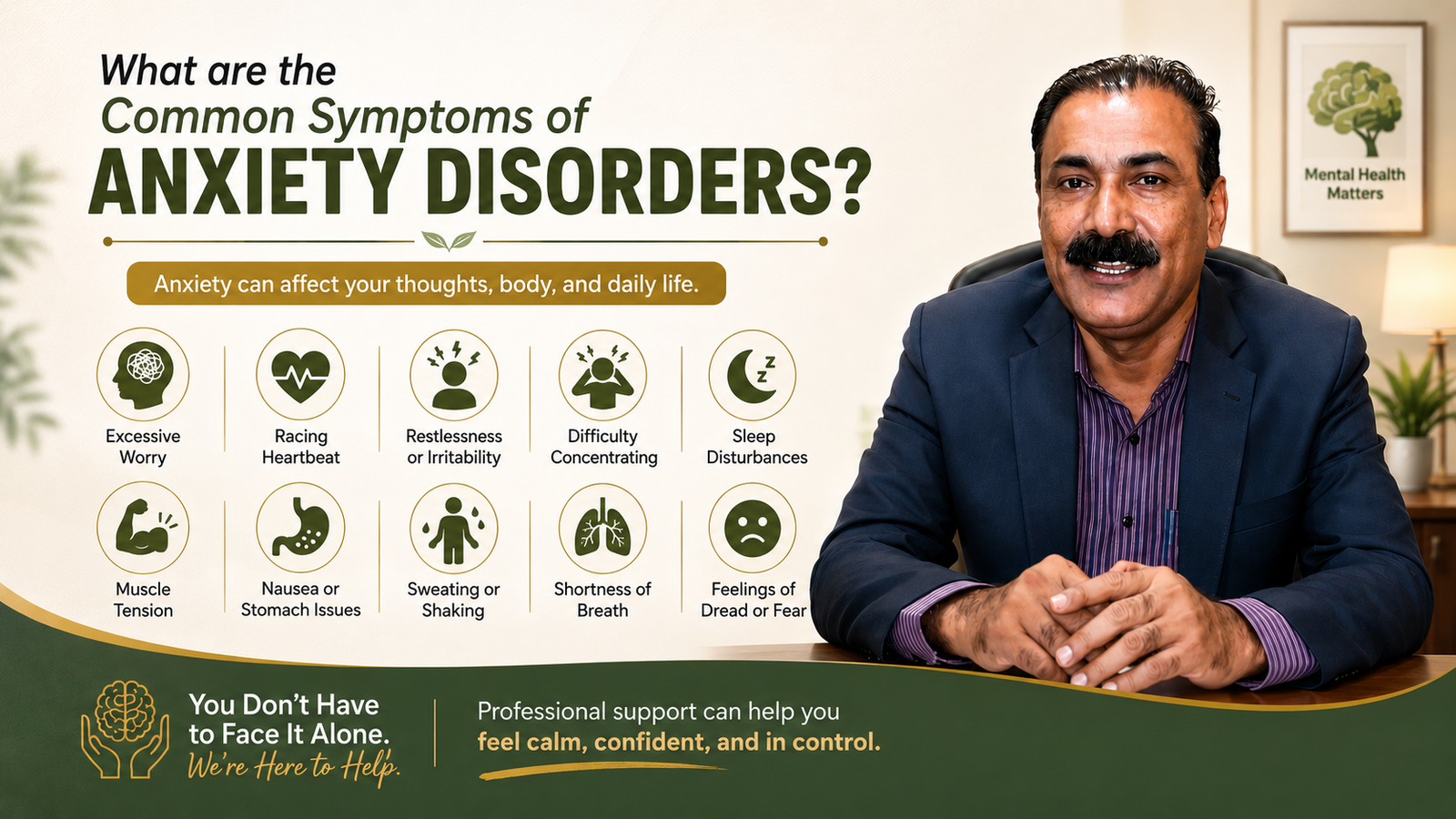
Many people mistake anxiety symptoms for heart disease, breathing problems, or physical illness.
Anxiety affects both the mind and body, making diagnosis more challenging.
Common anxiety symptoms include:
Emotional Symptoms
- Constant worrying
- Feeling restless
- Irritability
- Difficulty concentrating
- Feeling overwhelmed
- Fear without an obvious reason
Physical Symptoms
- Rapid heartbeat
- Chest tightness
- Shortness of breath
- Sweating
- Trembling
- Dizziness
- Muscle tension
- Digestive discomfort
- Fatigue
- Headaches
Behavioral Symptoms
- Avoiding social situations
- Difficulty making decisions
- Sleep disturbances
- Reduced work performance
- Withdrawal from family or friends
For example, someone with social anxiety disorder may avoid presentations, interviews, or family gatherings because they fear embarrassment.
Another person with health anxiety may repeatedly visit different doctors despite normal medical reports.
If these symptoms continue for several weeks or interfere with everyday life, professional evaluation becomes important.
What types of anxiety disorders do specialists treat?
Anxiety is not a single condition. Mental health specialists diagnose several different disorders, each requiring a slightly different treatment approach.
Generalized Anxiety Disorder (GAD)
People with GAD experience excessive worry about work, finances, family, education, or health for months at a time.
Common symptoms include:
- Constant worrying
- Difficulty relaxing
- Fatigue
- Poor concentration
- Muscle tension
- Trouble sleeping
Many patients seeking generalized anxiety disorder treatment Karachi have experienced symptoms for years before consulting a doctor.
Panic Disorder
Panic disorder causes sudden episodes of intense fear known as panic attacks.
Symptoms often include:
- Chest pain
- Racing heartbeat
- Sweating
- Trembling
- Feeling unable to breathe
- Fear of dying
- Feeling out of control
A qualified panic attack doctor Karachi first rules out physical conditions before confirming panic disorder.
Social Anxiety Disorder
People with social anxiety fear being judged in public situations.
They may avoid:
- Public speaking
- Job interviews
- Meetings
- Social events
- Classroom participation
Early social anxiety treatment in Karachi helps prevent isolation and improves confidence.
Health Anxiety
Health anxiety causes excessive concern about having serious illnesses despite normal medical tests.
People often:
- Search for symptoms online repeatedly
- Visit multiple doctors
- Request unnecessary investigations
- Feel temporary reassurance before worrying again
Behavioral therapy and CBT often produce excellent results.
Obsessive Compulsive Disorder (OCD)
Although OCD differs from anxiety disorders, anxiety plays a major role.
Patient’s experience:
- Intrusive thoughts
- Repetitive checking
- Excessive cleaning
- Counting rituals
- Fear of contamination
An experienced OCD and anxiety specialist Karachi combines psychotherapy with medication when appropriate.
Anxiety with Depression
Anxiety and depression frequently occur together.
Patients may experience:
- Persistent sadness
- Low motivation
- Hopelessness
- Excessive worry
- Poor sleep
- Appetite changes
- Reduced energy
Many specialists provide integrated care for both conditions instead of treating them separately.
How is anxiety diagnosed by a mental health specialist?
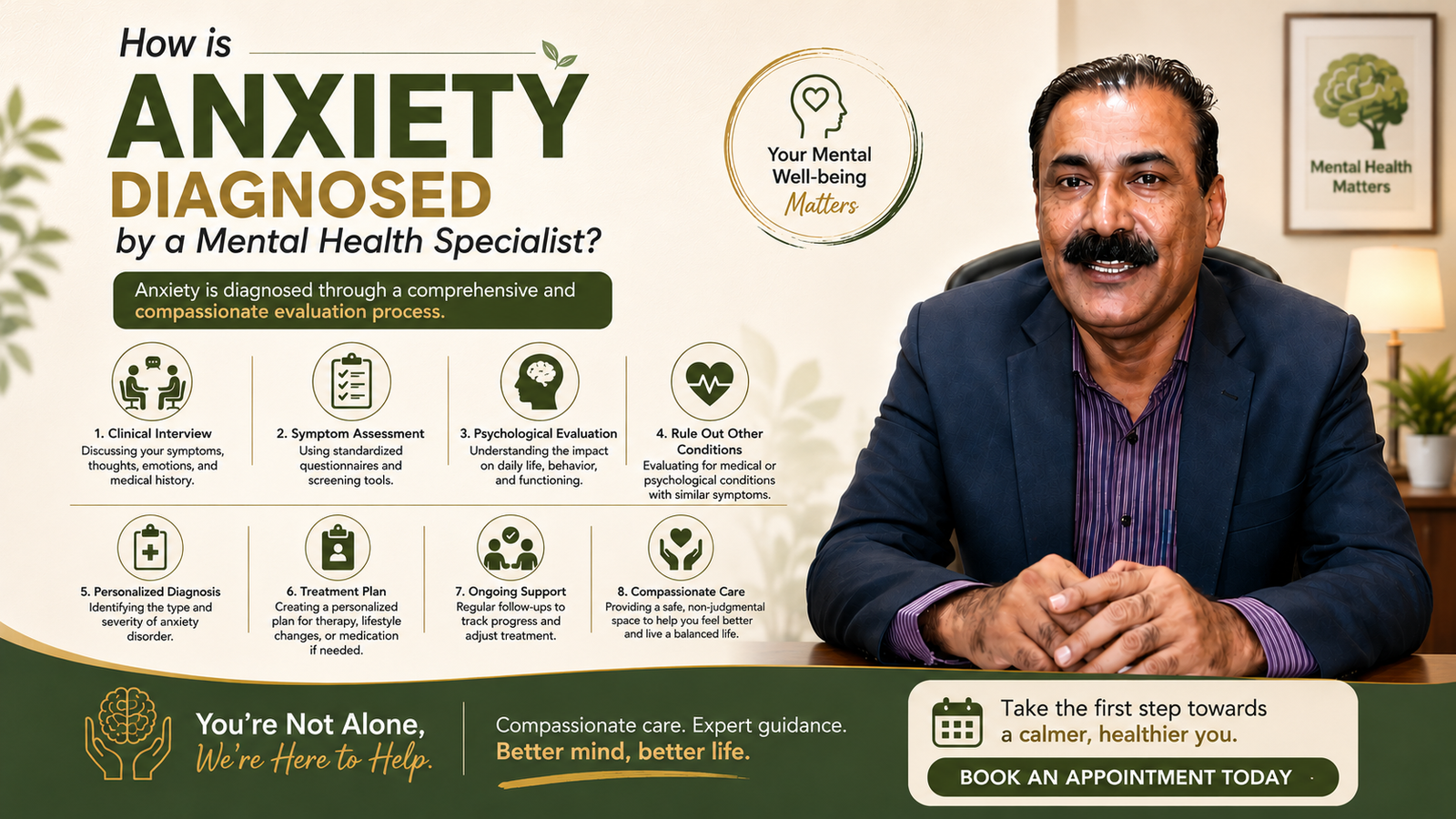
There is no single blood test or scan that confirms anxiety. Diagnosis depends on a detailed medical and psychological assessment.
During your first consultation, a mental health specialist Karachi may ask about:
- Your symptoms
- When they started
- Medical history
- Family history
- Sleep pattern
- Stress levels
- Work environment
- Medication use
- Substance use
- Previous treatment
The doctor may also perform a psychological assessment using internationally recognized screening tools.
Sometimes laboratory tests are recommended to rule out conditions such as:
- Thyroid disorders
- Vitamin deficiencies
- Heart conditions
- Hormonal imbalance
- Medication side effects
This careful evaluation ensures the diagnosis is accurate before treatment begins.
What treatment options are available for anxiety in Karachi?
The best treatment depends on the severity of symptoms, the specific anxiety disorder, and individual patient needs.
Most specialists recommend a combination of therapies rather than relying on medication alone.
Cognitive Behavioral Therapy (CBT)
Cognitive Behavioral Therapy Karachi is considered one of the most effective treatments for anxiety disorders.
CBT helps patients:
- Identify negative thought patterns
- Challenge irrational fears
- Replace unhealthy thinking
- Develop healthier coping strategies
- Reduce avoidance behaviors
Research consistently shows CBT provides long lasting improvement for many anxiety disorders.
Medication Management
Medication may be recommended for moderate to severe anxiety.
Depending on the diagnosis, psychiatrists may prescribe medicines that help:
- Reduce excessive worry
- Control panic attacks
- Improve sleep
- Stabilize mood
Patients should never start or stop anxiety medication without medical advice.
Anxiety Counseling
Professional counseling provides a safe environment where patients can discuss emotional challenges, relationship issues, workplace stress, and personal concerns.
Regular anxiety counseling Karachi sessions help build emotional resilience and improve coping skills.
Stress Management Techniques
Treatment often includes practical lifestyle changes such as:
- Daily physical activity
- Better sleep habits
- Deep breathing exercises
- Mindfulness therapy
- Relaxation therapy
- Limiting caffeine
- Reducing alcohol intake
- Maintaining social connections
These habits support recovery and reduce future anxiety episodes.
How do you choose the right anxiety specialist in Karachi?
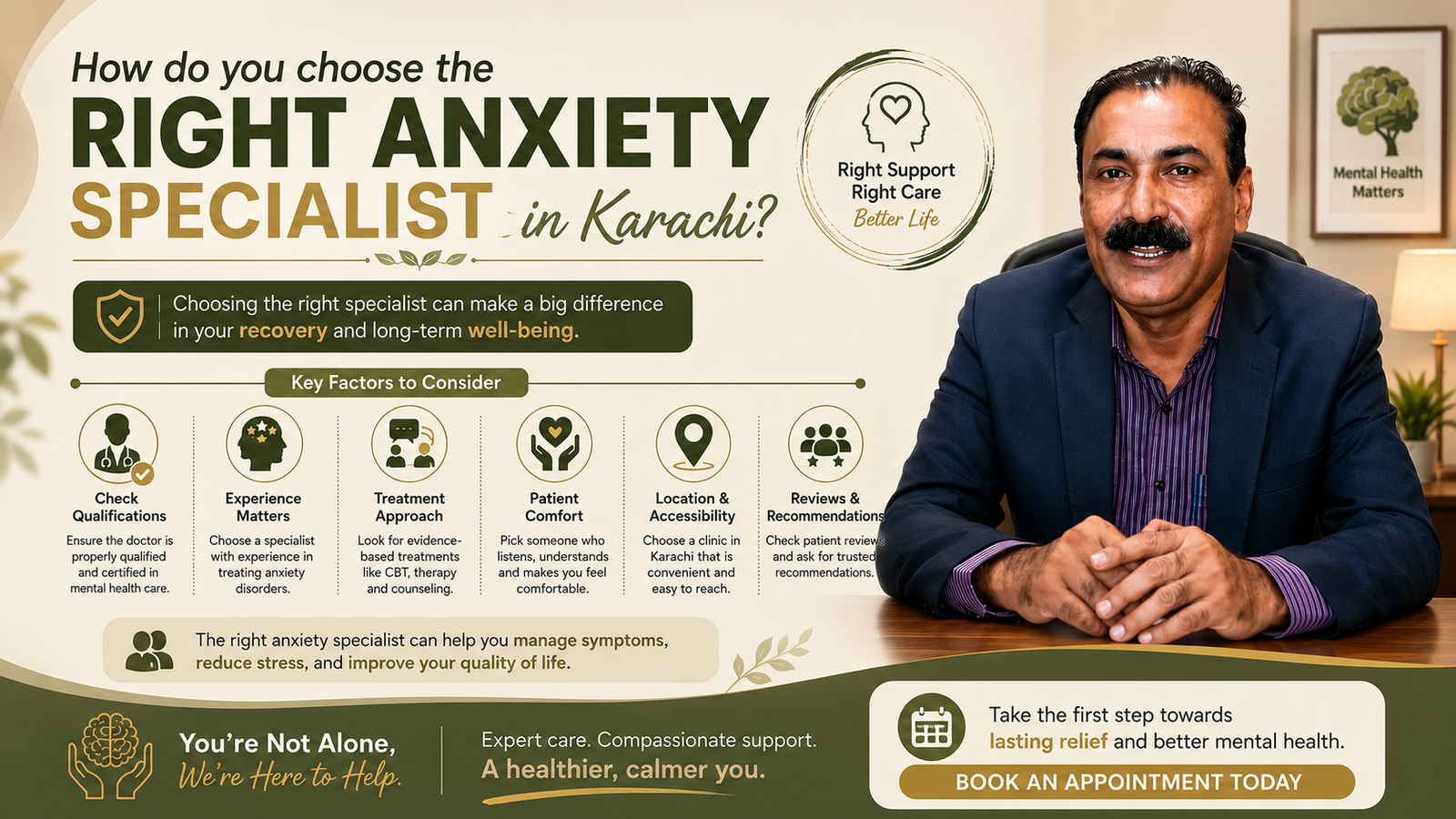
Choosing the right doctor is one of the most important steps toward recovery.
Anxiety treatment often requires trust, regular follow-ups, and a personalized care plan rather than a one size fits all approach.
When comparing specialists, consider these factors:
- Qualifications in psychiatry or mental health
- Experience treating anxiety disorders and panic attacks
- Availability of Cognitive Behavioral Therapy (CBT) or referrals to qualified therapists
- Patient-centered communication
- Confidential consultation process
- Clear explanation of diagnosis and treatment
- Regular follow-up appointments
- Availability of online consultations if required
If your symptoms include both anxiety and depression, look for an anxiety and depression specialist Karachi who has experience managing coexisting mental health conditions.
Quick Tip: A good doctor listens carefully, explains treatment options clearly, answers your questions, and involves you in every treatment decision.
Should you see a psychiatrist, psychologist, or counselor?
Many people feel confused about which mental health professional they need. Each plays a different role in anxiety care.
Professional | Best For | Can Prescribe Medication? |
Psychiatrist | Diagnosis, psychiatric evaluation, medication management, severe anxiety disorders | ✅ Yes |
Clinical Psychologist | Psychological assessment, CBT, psychotherapy, behavioral therapy | ❌ No |
Counselor | Mild anxiety, stress management, emotional support, coping skills | ❌ No |
In many cases, the best results come from a collaborative approach. A psychiatrist manages medical treatment, while a clinical psychologist Karachi provides structured psychotherapy such as CBT.
Can anxiety be treated without hospitalization?
Yes. Most people recover without being admitted to a hospital.
Modern anxiety disorder treatment in Karachi is usually provided on an outpatient basis.
Patients attend scheduled appointments and continue their normal work, education, or family responsibilities while receiving treatment.
Treatment may include:
- Psychiatric consultation
- CBT therapy
- Behavioral therapy
- Medication when necessary
- Lifestyle modifications
- Family education
- Follow up monitoring
Hospitalization is generally considered only if someone experiences:
- Severe psychiatric symptoms
- Risk of self harm
- Serious functional impairment
- A mental health emergency requiring intensive supervision
For the majority of patients, anxiety treatment without hospitalization Karachi is both effective and convenient.
How effective is Cognitive Behavioral Therapy for anxiety?
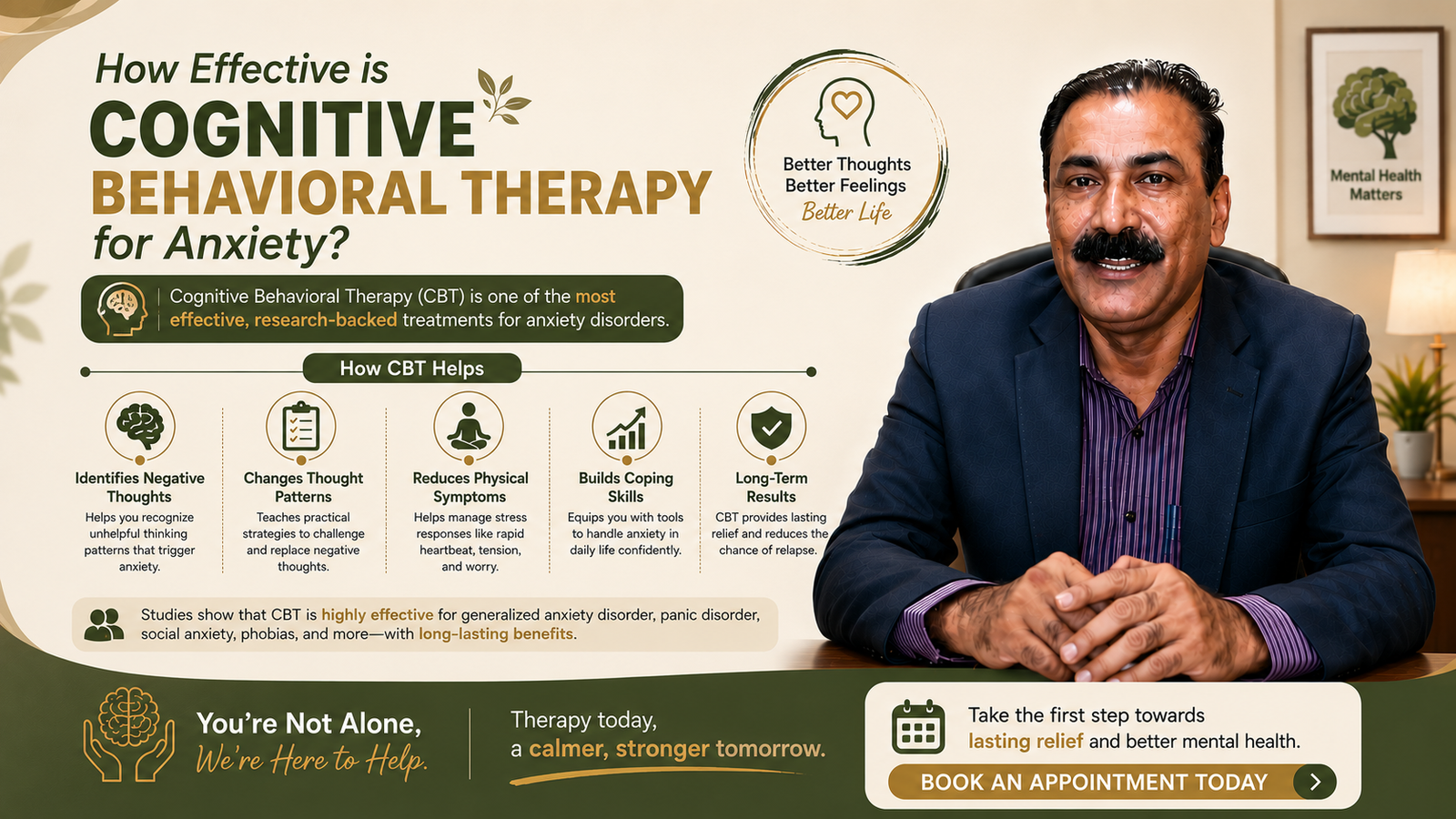
Cognitive Behavioral Therapy (CBT) is widely recognized as one of the most effective evidence based treatments for anxiety disorders.
Instead of only focusing on symptoms, CBT teaches patients how thoughts, emotions, and behaviors influence one another.
During CBT, patients learn how to:
- Recognize anxious thinking patterns
- Replace unrealistic fears with balanced thoughts
- Reduce avoidance behaviors
- Improve emotional regulation
- Build confidence in stressful situations
- Prevent future anxiety episodes
For example, someone with panic disorder may initially fear leaving home because they worry about having another panic attack.
Through CBT, they gradually face feared situations in a structured and supportive way, helping reduce anxiety over time.
Because of its strong clinical evidence, many psychiatrists recommend CBT therapy Karachi alongside medication or as a standalone treatment for mild to moderate anxiety.
Can anxiety cause physical health problems?
Yes. Anxiety affects much more than emotions. Persistent stress activates the body’s “fight or flight” response, which can lead to a wide range of physical symptoms.
Common physical effects include:
- Increased heart rate
- Elevated blood pressure
- Digestive discomfort
- Muscle pain
- Headaches
- Fatigue
- Poor sleep
- Reduced concentration
- Frequent illness due to prolonged stress
Some people repeatedly visit cardiologists or gastroenterologists before discovering that anxiety is the underlying cause of their symptoms.
A proper psychiatric evaluation helps distinguish anxiety from physical illnesses while ensuring that serious medical conditions are not overlooked.
What lifestyle changes support anxiety recovery?
Professional treatment works best when combined with healthy daily habits.
Recommended lifestyle practices include:
Regular Exercise
Physical activity releases endorphins that naturally improve mood and reduce stress.
Quality Sleep
Aim for 7–9 hours of consistent sleep each night. Poor sleep often worsens anxiety symptoms.
Balanced Nutrition
Choose whole grains, vegetables, fruits, lean proteins, and healthy fats while limiting excessive caffeine and sugary drinks.
Mindfulness and Relaxation
Mindfulness meditation, deep breathing, progressive muscle relaxation, and guided relaxation therapy can help calm the nervous system.
Build Social Support
Talking openly with trusted family members or friends can reduce emotional isolation.
Reduce Digital Overload
Constant exposure to negative news or excessive social media may increase worry in some individuals.
Small lifestyle improvements practiced consistently often make a noticeable difference alongside medical care.
What mistakes should people avoid when treating anxiety?
Many patients unintentionally delay recovery by following misinformation or avoiding professional care.
Common mistakes include:
- Ignoring symptoms for months or years
- Self-diagnosing through internet searches
- Stopping medication without medical advice
- Expecting immediate improvement after one therapy session
- Avoiding situations that trigger anxiety instead of learning healthy coping strategies
- Missing follow-up appointments
- Depending only on herbal remedies without professional evaluation
Early treatment generally leads to better long-term outcomes.
How long does anxiety treatment usually take?
Recovery varies from person to person.
Several factors influence treatment duration, including:
- Type of anxiety disorder
- Symptom severity
- Duration before seeking treatment
- Presence of depression or OCD
- Commitment to therapy
- Lifestyle habits
- Family support
Many people notice gradual improvement within several weeks after beginning treatment, especially when they actively participate in therapy and follow their doctor’s recommendations.
The goal is not only symptom relief but also long-term anxiety management and relapse prevention.
What questions should you ask during your first psychiatric consultation?
Preparing questions before your appointment helps you better understand your diagnosis and treatment plan.
Consider asking:
- What type of anxiety disorder do I have?
- What treatment do you recommend and why?
- Will I need medication?
- Is CBT suitable for my condition?
- How long might treatment take?
- What side effects should I know about?
- Are lifestyle changes recommended?
- How often should I schedule follow up visits?
- What signs indicate that my treatment is working?
Open communication allows your doctor to personalize your care more effectively.
How can online anxiety consultation help?
Telemedicine has made mental health care more accessible than ever.
Many specialists now provide online anxiety consultation Karachi, allowing patients to receive professional advice from home.
Online consultations may be suitable for:
- Busy professionals
- Students
- Older adults
- Individuals with mobility challenges
- Patients living outside Karachi
- Follow up appointments
However, severe psychiatric emergencies still require immediate in person medical care.
Expert recommendations for long term anxiety management
Mental health experts agree that successful recovery usually involves multiple strategies working together.
Best practices include:
- Seek professional help early.
- Follow your treatment plan consistently.
- Attend every therapy session.
- Take medication exactly as prescribed.
- Practice stress management techniques daily.
- Exercise regularly.
- Prioritize healthy sleep.
- Stay connected with supportive family and friends.
- Avoid alcohol and recreational drugs.
- Monitor your progress and discuss concerns during follow up visits.
These evidence based strategies not only reduce anxiety symptoms but also improve emotional wellbeing, resilience, and overall quality of life.
Frequently Asked Questions
Who is the best doctor to treat anxiety in Karachi?
The best doctor for anxiety is a qualified psychiatrist with experience in diagnosing and treating anxiety disorders.
Depending on your condition, they may also work with a clinical psychologist to provide Cognitive Behavioral Therapy (CBT), counseling, and long-term anxiety management.
Can anxiety be treated without medication?
Yes. Mild to moderate anxiety often improves with Cognitive Behavioral Therapy (CBT), behavioral therapy, stress management techniques, mindfulness practices, regular exercise, and lifestyle changes.
However, moderate to severe anxiety may require medication in addition to therapy. Your doctor will recommend the most suitable treatment based on your symptoms.
How do I know if I need to see an anxiety specialist?
You should consult a mental health specialist if anxiety lasts for several weeks, interferes with work, studies, relationships, or sleep, or causes symptoms such as panic attacks, excessive worry, chest tightness, dizziness, or constant fear.
Early evaluation helps prevent symptoms from becoming more severe.
How long does anxiety treatment usually take?
Treatment duration varies for each individual. Some people notice improvement within a few weeks, while others may need several months of therapy and follow-up care.
Recovery depends on the type of anxiety disorder, symptom severity, adherence to treatment, and lifestyle changes.
Is online consultation effective for anxiety treatment?
Yes. Online psychiatric consultations are effective for many patients, particularly for initial advice, follow up appointments, medication reviews, and counseling sessions.
However, individuals experiencing a mental health emergency or severe psychiatric symptoms should seek immediate in-person medical care.
Conclusion
Living with anxiety can feel overwhelming, but effective treatment is available, and recovery is possible with the right support.
Whether you experience excessive worry, panic attacks, social anxiety, or anxiety alongside depression, seeking professional care early can make a significant difference in your quality of life.
A qualified mental health specialist will perform a thorough evaluation, recommend evidence-based therapy, and create a personalized treatment plan that may include Cognitive Behavioral Therapy (CBT), counseling, medication management, lifestyle modifications, or a combination of these approaches.
Consistency with treatment, regular follow up appointments, and healthy daily habits are key to long term success.
If you are searching for the best anxiety doctor in Karachi, choose a specialist who focuses on accurate diagnosis, compassionate care, and scientifically proven treatment methods.
Taking the first step today can help you regain confidence, improve emotional wellbeing, and enjoy a healthier, more balanced life.