

Life can become difficult without warning. Stress from work, family problems, financial pressure, and personal loss can slowly affect your mind.
Many people try to ignore these feelings, hoping they will disappear with time.
Sadly, emotional problems often become worse when they are left untreated.
If you feel anxious all the time, struggle to sleep, lose interest in daily activities, or find it hard to control your emotions, you are not alone.
Millions of people experience these challenges every day.
The good news is that professional help is available, and it can make a real difference.
Mental health doctors help people regain confidence, improve emotional balance, and build healthier lives.
They provide expert care, proper diagnosis, and effective treatment plans that help patients move forward with hope.
What Do Mental Health Doctors Actually Do?
Many people think these specialists only treat serious mental illnesses, but that is not true.
They help people facing a wide range of emotional and psychological challenges.
Their responsibilities include:
- Diagnosing mental health conditions.
- Creating personalized treatment plans.
- Prescribing medicines when needed.
- Offering therapy or counseling.
- Monitoring progress over time.
- Helping patients manage stress and emotional difficulties.
Mental health care focuses on improving both emotional and physical well being because the mind and body work together.
Why Should You Visit Mental Health Doctors Instead of Ignoring the Problem?

Ignoring emotional struggles can affect every part of your life.
It may damage relationships, reduce work performance, and impact your physical health.
Seeking professional help early can provide many benefits:
- Better emotional control.
- Improved sleep quality.
- Reduced anxiety and depression.
- Stronger relationships.
- Increased confidence.
- Better decision making skills.
Many people wait until their condition becomes severe. Early treatment often leads to faster recovery and a better quality of life.
Which Conditions Can Mental Health Doctors Treat?
These specialists treat many different conditions that affect people of all ages.
Some common conditions include:
Anxiety Disorders
Constant worry, panic attacks, fear, and nervousness can interfere with daily life.
Depression
Feeling sad for long periods, losing motivation, and having little energy may be signs of depression.
Stress Related Problems
Work pressure, family conflicts, and financial concerns can create long term stress.
Obsessive Compulsive Disorder
Repeated thoughts and behaviors can become difficult to control without proper treatment.
Bipolar Disorder
This condition causes extreme mood changes that affect daily activities and relationships.
Sleep Disorders
Mental health issues often cause poor sleep, insomnia, and restless nights.
Trauma and Grief
Losing a loved one or experiencing a difficult event can have lasting emotional effects.
How Can You Know If You Need Professional Help?
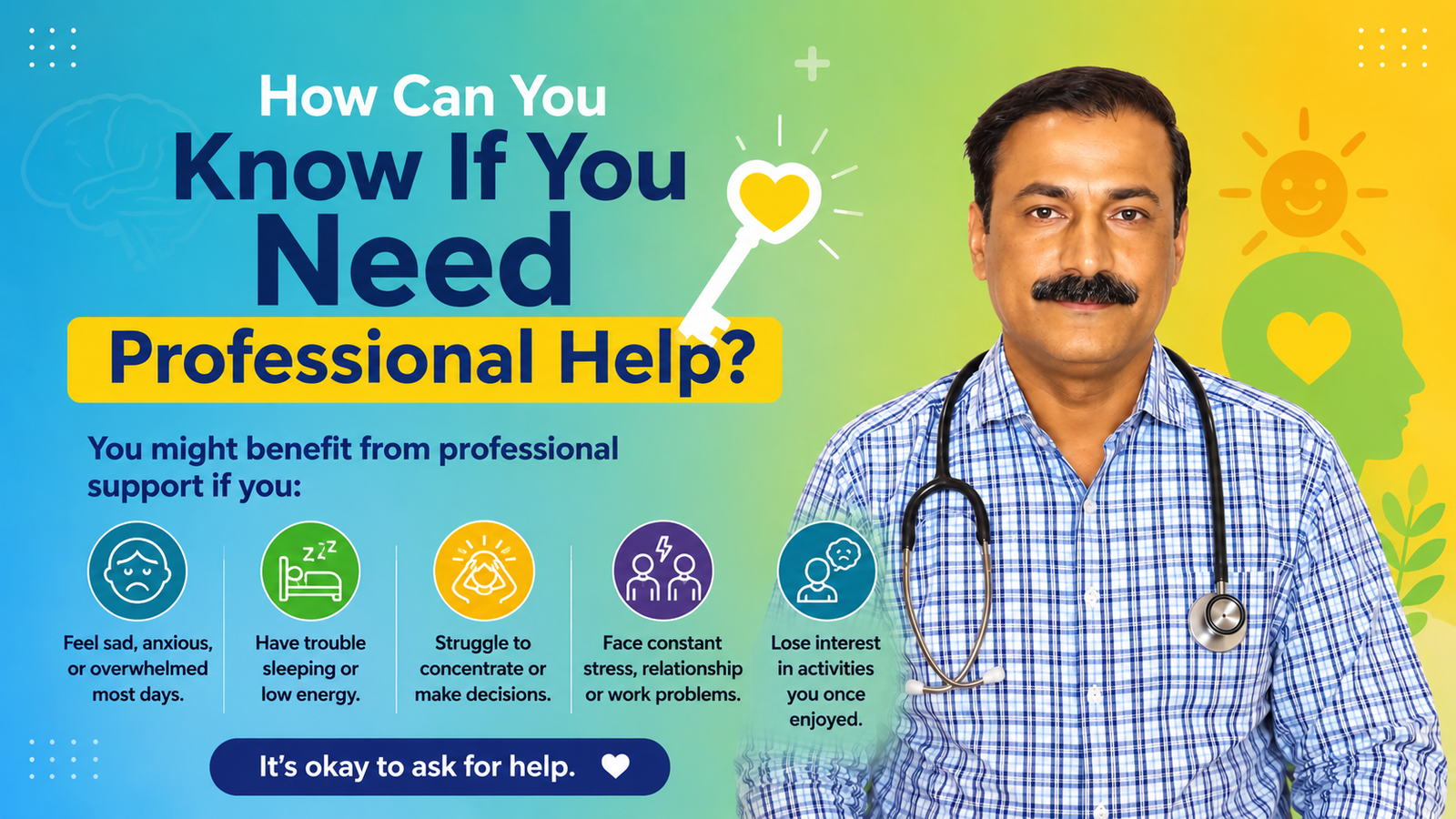
Many people are unsure whether their symptoms require medical attention.
You should consider seeking help if you notice these signs:
- Constant sadness that lasts for weeks.
- Frequent panic attacks.
- Difficulty sleeping.
- Loss of interest in hobbies.
- Feeling hopeless or empty.
- Sudden mood changes.
- Trouble focusing at work or school.
- Avoiding family and friends.
If these symptoms affect your daily life, consulting mental health doctors can be an important step toward recovery.
What Happens During Your First Appointment?
Many people feel nervous before meeting a mental health specialist.
However, the first visit is usually simple and comfortable.
The doctor may ask questions about:
- Your medical history.
- Your current feelings and symptoms.
- Sleep patterns.
- Family history.
- Lifestyle habits.
- Daily stress factors.
The goal is to create a complete picture of your emotional health.
After the evaluation, the doctor may recommend therapy, medication, or a combination of both.
Are Medicines Always Necessary?

Not every patient needs medication.
Treatment depends on the severity of the condition.
Some people improve through counseling and lifestyle changes alone, while others benefit from medicine that helps balance brain chemicals.
A qualified specialist carefully evaluates each patient before recommending any medication.
Regular follow up visits help ensure that treatment remains safe and effective.
How Can Therapy Improve Your Daily Life?
Therapy gives people a safe place to discuss their thoughts and emotions without fear of judgment.
It can help you:
- Manage stress.
- Build self confidence.
- Improve communication skills.
- Develop healthy coping methods.
- Handle difficult situations calmly.
Many patients notice positive changes after a few sessions because they begin learning practical ways to deal with challenges.
Why Is Early Treatment So Important?
Mental health conditions rarely disappear on their own. Delaying treatment may allow symptoms to become more serious.
Early care can help:
- Prevent symptoms from getting worse.
- Reduce the need for intensive treatment.
- Improve family relationships.
- Increase work productivity.
- Support long term emotional health.
Seeking help is a sign of strength, not weakness.
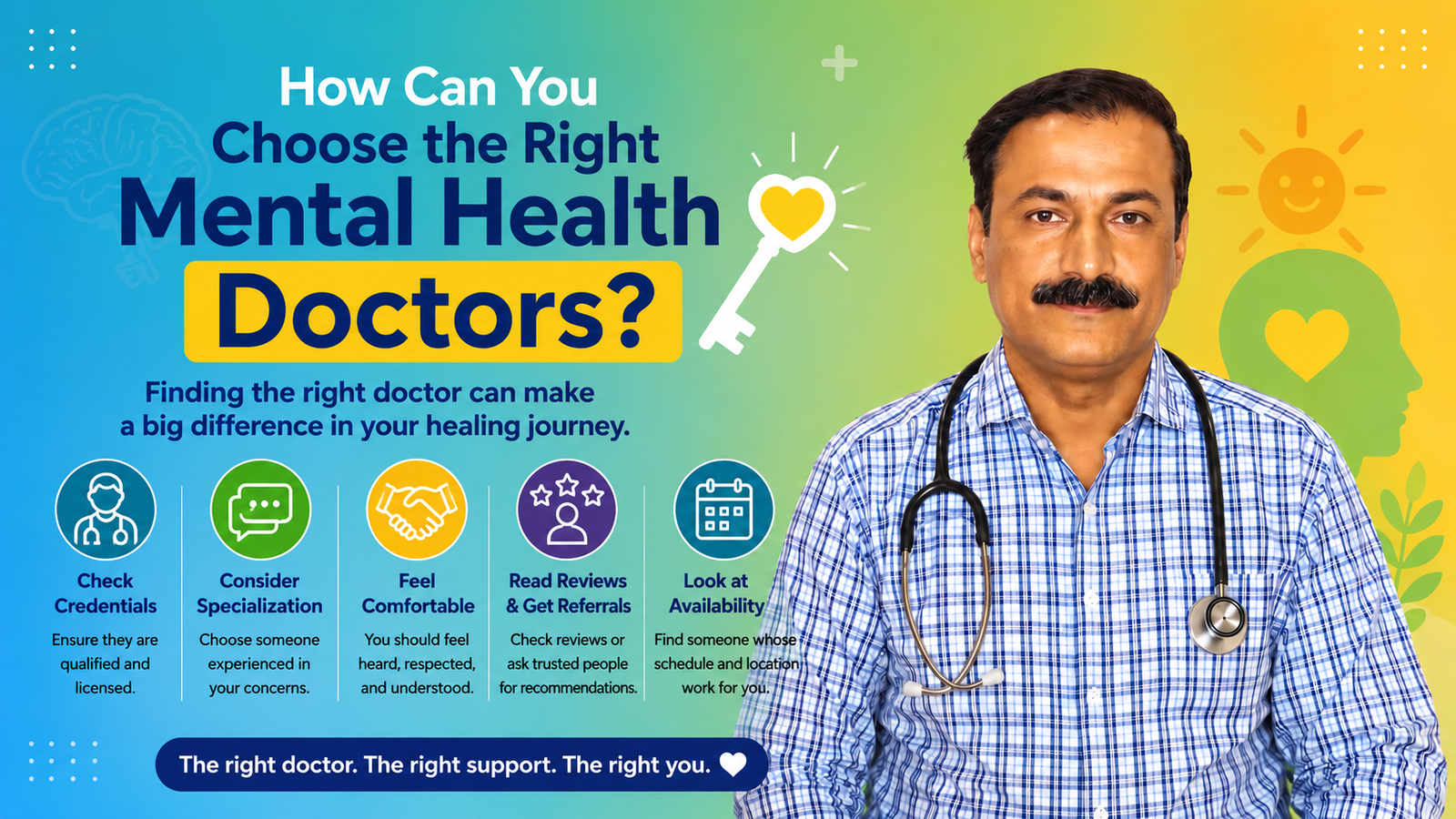
How Can You Choose the Right Mental Health Doctors?
Selecting the right specialist is an important decision.
Look for professionals who have:
- Proper medical qualifications.
- Experience treating your condition.
- Positive patient feedback.
- Good communication skills.
- A caring and respectful approach.
A comfortable relationship with your doctor can improve treatment results and help you feel more confident throughout your recovery journey.
Can Lifestyle Changes Support Mental Health Treatment?
Professional care works even better when combined with healthy daily habits.
Simple changes include:
- Eating balanced meals.
- Sleeping for enough hours each night.
- Exercising regularly.
- Limiting alcohol and harmful substances.
- Spending time with supportive people.
- Practicing relaxation techniques.
These habits can strengthen both physical and emotional health.
Frequently Asked Questions
What are mental health doctors?
Mental health doctors are medical professionals who diagnose and treat emotional, psychological, and behavioral conditions.
When should I see a mental health doctor?
You should seek help if sadness, anxiety, stress, or mood changes begin affecting your daily life.
Do mental health doctors only prescribe medicine?
No. They may recommend therapy, lifestyle changes, medication, or a combination based on your needs.
Is it normal to feel nervous before the first appointment?
Yes. Many people feel nervous, but the first visit is usually a simple conversation about your health and concerns.
Can mental health treatment improve my quality of life?
Yes. Professional treatment can reduce symptoms, improve relationships, increase confidence, and help you enjoy life again.
Conclusion
Taking care of your mind is just as important as taking care of your body. Emotional struggles can affect anyone, regardless of age or background.
The right support can help you overcome anxiety, depression, stress, and many other challenges.
Mental health doctors provide expert guidance, personalized treatment, and compassionate care that can help you regain control of your life.
Seeking help early can lead to a healthier, happier, and more balanced future.