

Anxiety can affect every aspect of life. It may interfere with work, relationships, sleep, physical health, and overall well-being.
While occasional worry is a normal part of life, persistent anxiety that feels overwhelming or difficult to control often requires professional care.
Many people struggle for years before seeking help because they assume anxiety will eventually disappear on its own.
Unfortunately, untreated anxiety can worsen over time and may contribute to depression, substance misuse, chronic stress, and physical health problems.
A qualified Psychiatrist for Anxiety Treatment can identify the root causes of anxiety, create a personalized treatment plan, and help patients regain control of their lives.
Whether you experience constant worry, panic attacks, social anxiety, or anxiety linked to trauma, professional support can make a significant difference.
This guide explains how anxiety specialists diagnose and treat anxiety disorders, what treatment options are available, and how to choose the right mental health professional for your needs.
What Does a Psychiatrist Do for Anxiety Disorders?
A psychiatrist is a medical doctor who specializes in diagnosing, treating, and preventing mental health conditions.
Unlike many other mental health professionals, psychiatrists can prescribe medications and manage complex psychiatric conditions.
When treating anxiety disorders, a psychiatrist typically:
- Conducts a comprehensive mental health evaluation
- Reviews medical history and symptoms
- Identifies contributing factors
- Diagnoses specific anxiety disorders
- Recommends therapy and lifestyle changes
- Prescribes and monitors medications when necessary
- Tracks progress and adjusts treatment plans
Many patients benefit from a combination of medication, psychotherapy, stress management techniques, and lifestyle modifications.
According to the American Psychiatric Association, anxiety disorders are among the most common mental health conditions worldwide, affecting millions of adults every year.
When Should You See a Psychiatrist for Anxiety Treatment?
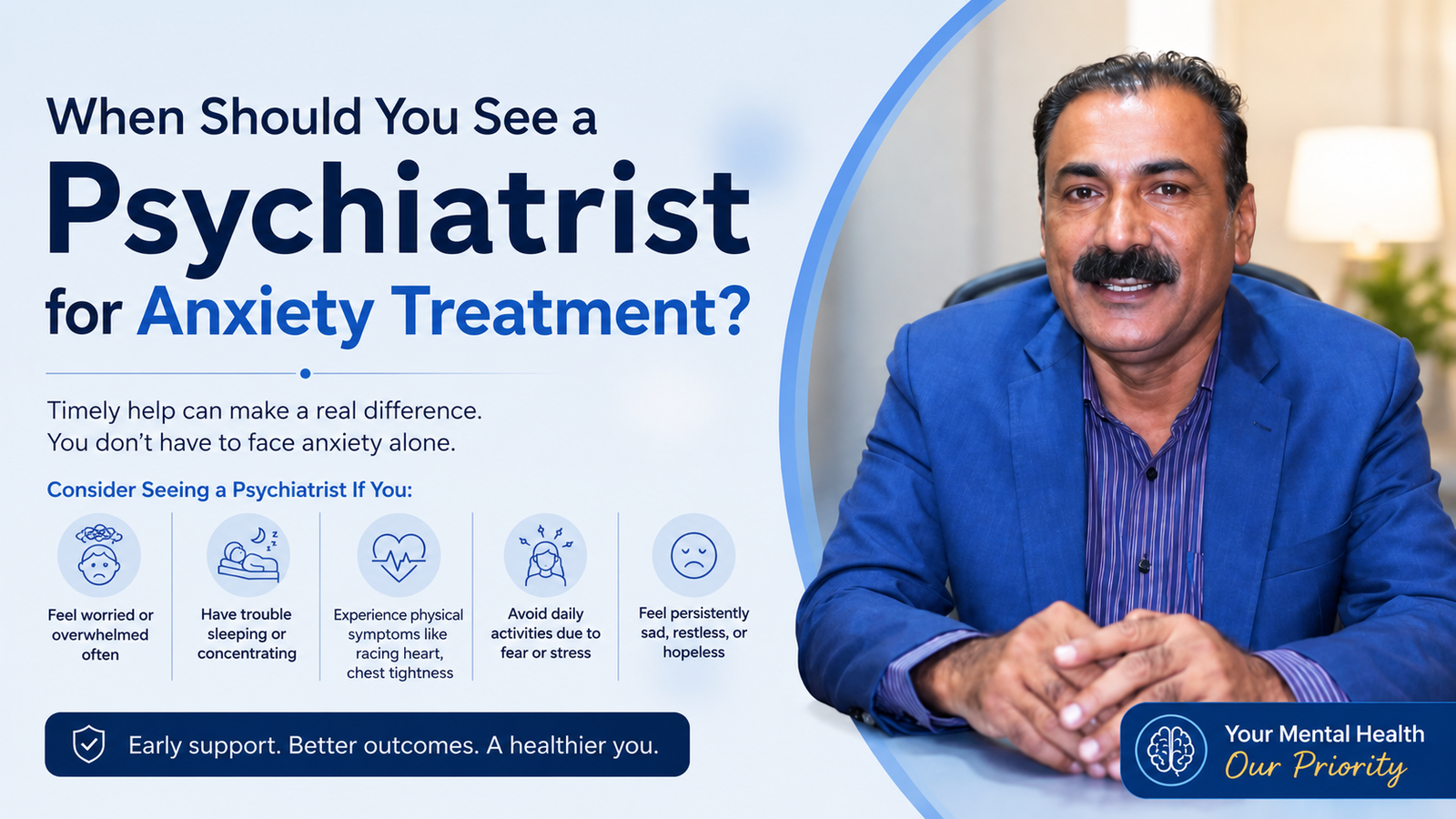
You should seek professional help when anxiety begins interfering with daily life.
Common warning signs include:
- Excessive worry lasting six months or longer
- Frequent panic attacks
- Difficulty concentrating
- Sleep disturbances
- Constant feelings of fear or dread
- Social avoidance
- Physical symptoms such as rapid heartbeat, sweating, or trembling
- Anxiety affecting work performance or relationships
Featured Snippet Answer
You should see a psychiatrist for anxiety if symptoms are persistent, difficult to control, cause significant distress, or interfere with daily activities, relationships, work, or physical health.
Early treatment often leads to better outcomes and reduces the risk of long-term complications.
How Is Anxiety Diagnosed by an Anxiety Disorder Treatment Specialist?
Anxiety diagnosis involves more than simply discussing feelings of stress.
An Anxiety Disorder Treatment Specialist typically evaluates:
Assessment Area | Purpose |
Medical History | Identifies physical conditions contributing to symptoms |
Mental Health History | Reviews previous diagnoses and treatments |
Symptom Evaluation | Determines severity and duration |
Lifestyle Assessment | Examines sleep, stress, diet, and substance use |
Psychological Screening | Uses standardized anxiety scales |
The specialist may also rule out medical conditions such as:
- Thyroid disorders
- Heart conditions
- Hormonal imbalances
- Neurological disorders
- Medication side effects
A thorough evaluation ensures patients receive the most appropriate treatment plan.
What Conditions Can an Anxiety Treatment Doctor Treat?
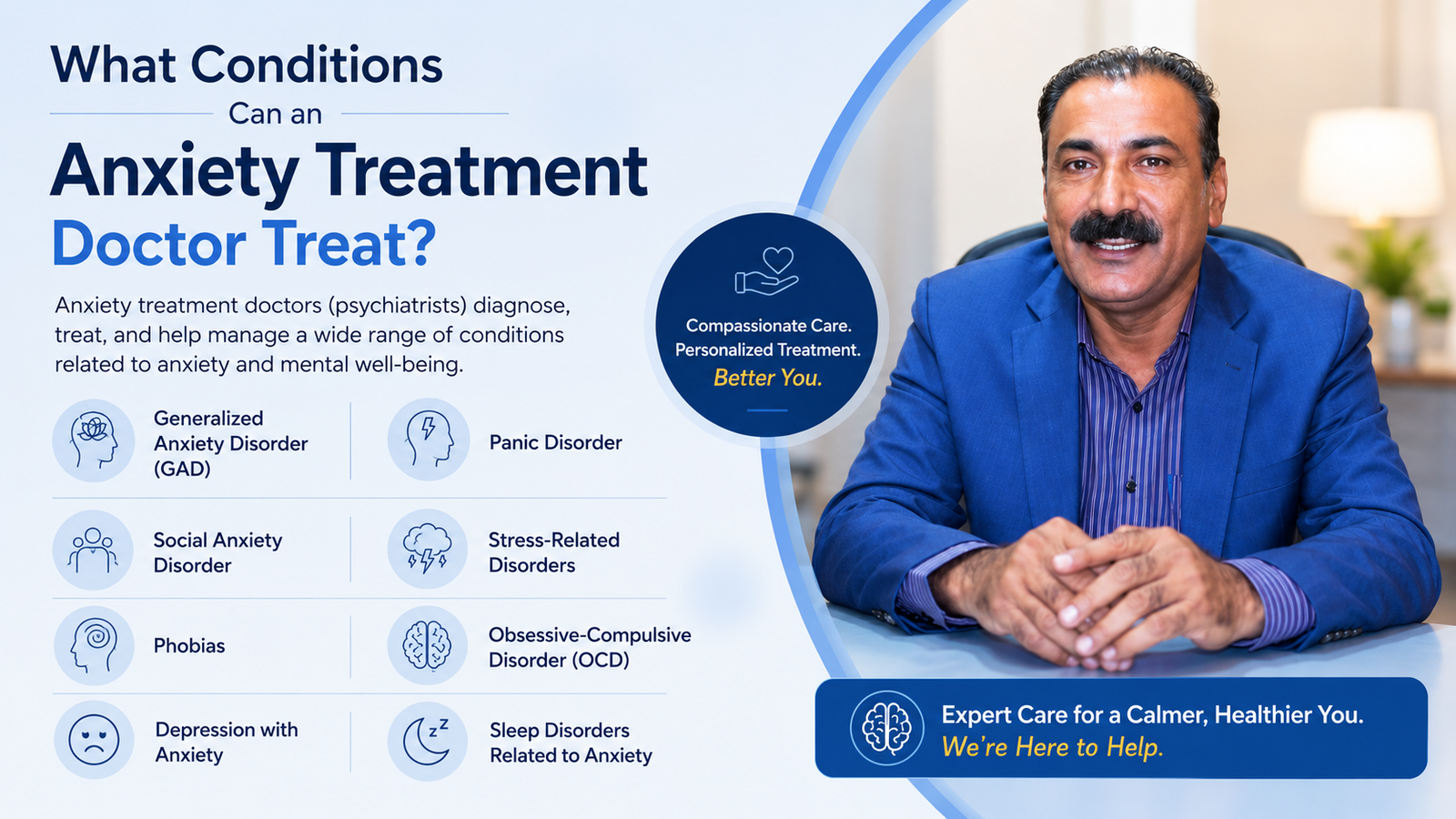
An anxiety specialist treats various anxiety-related disorders.
Generalized Anxiety Disorder (GAD)
Generalized Anxiety Disorder Treatment focuses on reducing persistent and excessive worry about everyday situations.
Common symptoms include:
- Restlessness
- Fatigue
- Muscle tension
- Irritability
- Sleep problems
Panic Disorder
Panic Attack Treatment helps individuals experiencing sudden episodes of intense fear accompanied by physical symptoms.
Symptoms often include:
- Chest pain
- Dizziness
- Shortness of breath
- Sweating
- Rapid heartbeat
Social Anxiety Disorder
People with social anxiety experience intense fear of judgment or embarrassment.
Social Anxiety Disorder Therapy often combines psychotherapy and medication to improve confidence and social functioning.
Specific Phobias
Psychiatrists help patients overcome irrational fears related to objects, situations, or activities.
Anxiety Related to Trauma
Anxiety can develop following traumatic experiences and may require specialized treatment approaches.
What Treatment Options Are Available for Anxiety?
Treatment plans vary based on symptom severity, diagnosis, and individual needs.
Psychotherapy
Psychotherapy remains one of the most effective anxiety treatments.
Common approaches include:
- Cognitive Behavioral Therapy (CBT)
- Exposure Therapy
- Acceptance and Commitment Therapy (ACT)
- Mindfulness-Based Therapy
CBT is particularly effective because it helps patients identify and replace negative thought patterns.
Medication
Many patients benefit from Anxiety Medication Management when symptoms significantly affect daily functioning.
Common medications include:
- Selective Serotonin Reuptake Inhibitors (SSRIs)
- Serotonin-Norepinephrine Reuptake Inhibitors (SNRIs)
- Beta-blockers
- Buspirone
- Short-term anti-anxiety medications
Medication decisions should always be made under psychiatric supervision.
Lifestyle-Based Interventions
Research consistently shows that healthy lifestyle habits support anxiety recovery.
Recommended practices include:
- Regular exercise
- Quality sleep
- Stress reduction techniques
- Limiting caffeine and alcohol
- Balanced nutrition
- Meditation and mindfulness
How Effective Is Medication for Anxiety Management?
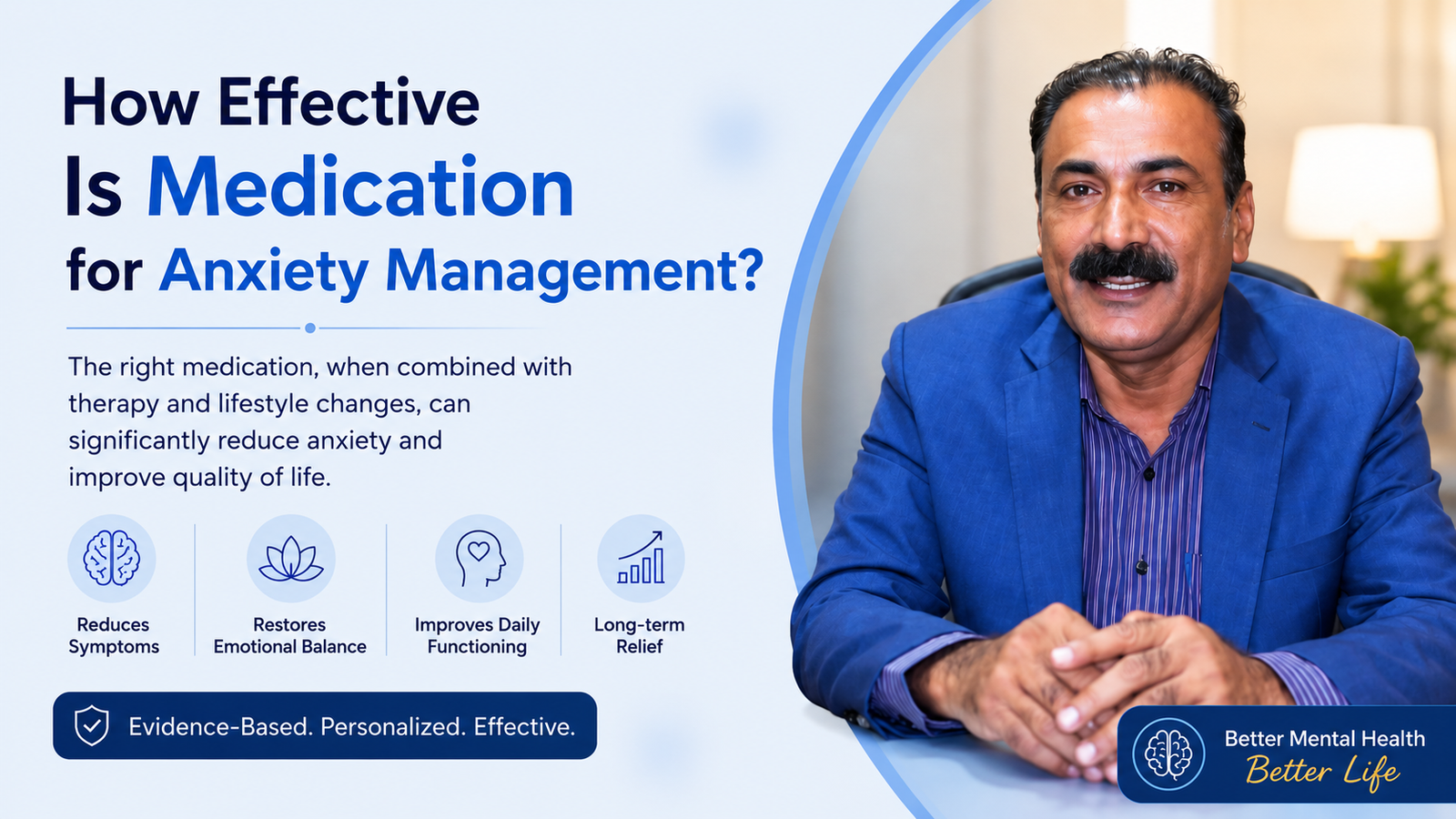
Medication can be highly effective when prescribed appropriately.
Studies published by the National Institute of Mental Health (NIMH) indicate that many patients experience significant symptom improvement with evidence-based medication treatment.
Benefits of Medication
- Reduces excessive worry
- Improves sleep quality
- Decreases panic attacks
- Enhances therapy effectiveness
- Improves daily functioning
Potential Risks
- Temporary side effects
- Dosage adjustments
- Withdrawal symptoms if stopped abruptly
- Individual response variations
A psychiatrist carefully monitors treatment to maximize benefits while minimizing risks.
How Can You Find the Best Psychiatrist for Anxiety?
Finding the Best Psychiatrist for Anxiety requires careful research.
Consider the following factors:
Credentials and Experience
Look for:
- Board certification
- Anxiety disorder specialization
- Years of clinical experience
- Ongoing professional education
Treatment Approach
Ask whether the psychiatrist:
- Uses evidence-based treatments
- Offers medication management
- Collaborates with therapists
- Develops personalized care plans
Patient Reviews
Reviews can provide insight into:
- Communication style
- Professionalism
- Appointment availability
- Treatment outcomes
Accessibility
Evaluate:
- Location
- Telepsychiatry options
- Insurance acceptance
- Emergency support availability
The right provider should make you feel comfortable, respected, and involved in treatment decisions.
What Should You Expect During Your First Psychiatric Appointment?
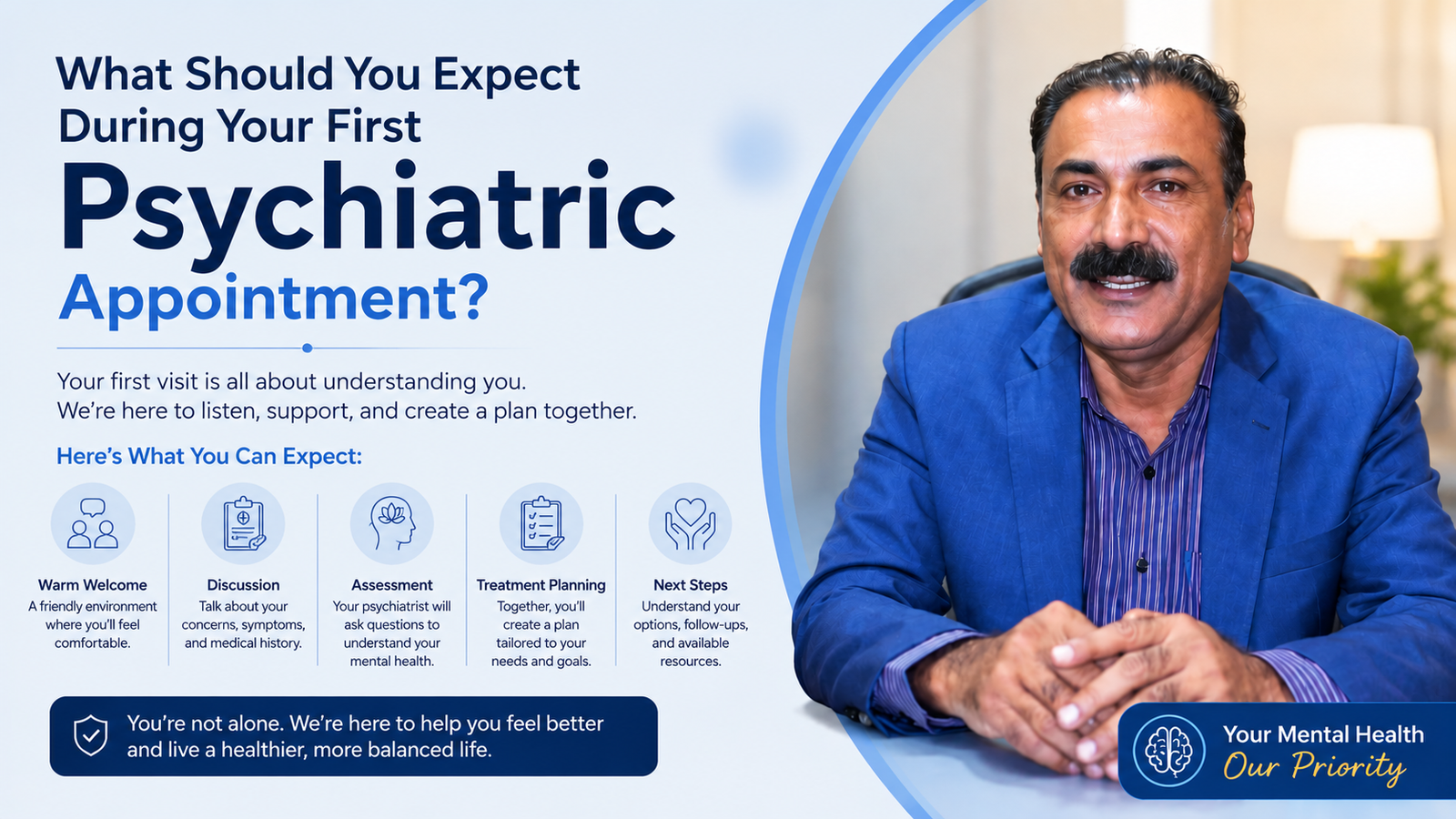
Many people feel nervous before their first appointment.
Knowing what to expect can ease concerns.
During the initial visit, the psychiatrist may discuss:
- Current symptoms
- Family history
- Medical conditions
- Sleep patterns
- Stress levels
- Lifestyle habits
- Previous treatments
The session may last between 45 and 90 minutes.
Helpful preparation tips include:
- Write down symptoms beforehand
- Bring medication lists
- Note major life events
- Prepare questions about treatment options
Open communication helps create a more effective treatment plan.
Can Anxiety Be Treated Without Medication?
Yes. Many individuals successfully manage anxiety without medication.
Non-medication approaches often include:
- Cognitive Behavioral Therapy
- Mindfulness training
- Breathing exercises
- Physical activity
- Stress management programs
- Support groups
However, severe anxiety may require medication as part of a comprehensive treatment plan.
A psychiatrist can determine whether medication is necessary based on symptom severity and treatment goals.
Why Is Early Treatment Important for Long-Term Recovery?
Early intervention improves outcomes significantly.
Without treatment, anxiety can contribute to:
- Depression
- Substance abuse
- Relationship difficulties
- Reduced work productivity
- Chronic health issues
Research shows that individuals who receive timely Mental Health Treatment for Anxiety often experience faster symptom relief and better long-term quality of life.
Common Mistakes People Make
Avoid these common errors:
- Ignoring symptoms
- Self-diagnosing online
- Stopping medication abruptly
- Avoiding therapy
- Relying solely on temporary coping mechanisms
Seeking professional support early often prevents symptoms from becoming more severe.
How Does Telepsychiatry Help People With Anxiety?
Virtual psychiatric care has transformed mental health treatment.
Benefits include:
- Greater convenience
- Reduced travel time
- Increased privacy
- Access to specialists in remote areas
- Flexible scheduling
Many patients experiencing severe anxiety find virtual appointments less intimidating than in-person visits.
Telepsychiatry can provide effective care while maintaining the same professional standards as traditional consultations.
What Questions Should You Ask an Anxiety Psychiatrist?
When searching for an Anxiety Psychiatrist, consider asking:
- What experience do you have treating anxiety disorders?
- Which therapies do you recommend?
- Do you provide medication management?
- How often are follow-up visits scheduled?
- What should I expect during treatment?
- How long does recovery typically take?
- Do you offer virtual appointments?
These questions help ensure you find a provider who matches your needs and treatment goals.
FAQs
What is the difference between a psychiatrist and a psychologist for anxiety?
A psychiatrist is a medical doctor who can diagnose mental health conditions and prescribe medications.
A psychologist primarily provides therapy and behavioral interventions but typically cannot prescribe medication.
How long does anxiety treatment usually take?
Treatment duration varies depending on the severity of symptoms, diagnosis, and individual response.
Some patients improve within a few months, while others benefit from ongoing care.
Can anxiety medications cure anxiety permanently?
No. Medications help manage symptoms but do not permanently cure anxiety. Long-term improvement often involves therapy, lifestyle changes, and coping strategies.
Is telepsychiatry effective for anxiety treatment?
Yes. Research shows telepsychiatry can effectively diagnose and treat anxiety disorders while offering greater convenience and accessibility.
How do I know if my anxiety is serious enough to need professional help?
If anxiety causes significant distress, affects daily functioning, disrupts sleep, impacts relationships, or leads to panic attacks, it is advisable to consult a mental health professional.
Conclusion
Living with anxiety can feel exhausting, but effective treatment is available.
A qualified Psychiatrist for Anxiety Treatment can provide an accurate diagnosis, personalized care, evidence-based therapies, and medication management when needed.
Whether you’re dealing with generalized anxiety, panic attacks, social anxiety, or persistent worry, professional support can help you regain confidence and improve your quality of life.
If anxiety is affecting your daily routine, relationships, or emotional well-being, don’t wait to seek help. Taking the first step today could lead to lasting relief and a healthier future.