

If you are experiencing persistent sadness, excessive worry, panic, loss of interest, sleep problems, low energy, or difficulty managing everyday life, you may wonder which doctor to consult for depression and anxiety.
The right professional depends on your symptoms, their severity, how long they have lasted, and whether you may benefit from medication, psychotherapy, or both.
For many people, a psychiatrist for depression and anxiety is an appropriate choice, particularly when symptoms are moderate to severe, persistent, affecting daily functioning, or accompanied by significant changes in sleep, appetite, mood, or behavior.
A clinical psychologist can also play an important role, especially when psychotherapy, such as cognitive behavioral therapy, is appropriate.
A general physician can be a useful first point of contact and may refer you to a mental health specialist.
Depression and anxiety are common and treatable mental health conditions.
The World Health Organization notes that effective treatments are available for both conditions,
including psychological treatments and, when appropriate, medication.
For people in Karachi searching for a qualified psychiatrist, Dr. Ilyas Jat is one option to consider.
His official profile identifies him as a psychiatrist providing care for conditions including depression and anxiety, while online doctor listings also identify him as a practicing psychiatrist in Karachi.
Which Doctor Should You See for Depression and Anxiety?
The most appropriate doctor for depression and anxiety is usually a psychiatrist, clinical psychologist, or another qualified mental health professional, depending on your individual needs.
A psychiatrist is a medical doctor who specializes in diagnosing and treating mental health conditions.
Because psychiatrists have medical training, they can assess whether medication may be appropriate and consider physical or medical factors that could affect mental health.
A clinical psychologist specializes in psychological assessment and psychotherapy.
They can help people work through persistent negative thoughts, anxiety, emotional difficulties, behavioral patterns, trauma-related concerns, and other psychological problems.
A general physician can also be a useful starting point if you are unsure where to go. A primary care doctor can assess your symptoms, consider possible physical causes, and refer you to a psychiatrist or psychologist when specialist care is needed.
NIMH similarly recommends talking to a primary care provider when you have concerns about your mental health, who can refer you to an appropriate mental health professional.
Psychiatrist for Depression and Anxiety
A psychiatrist is often the best choice when depression or anxiety symptoms are persistent, severe, or significantly affecting your daily life.
Psychiatrists can assess your symptoms, medical history, medications, sleep, substance use, family history, and other factors before developing an appropriate treatment plan.
Depending on the diagnosis and severity, treatment may involve psychotherapy, medication, or a combination of approaches.
A psychiatrist may be particularly appropriate if you experience severe depression, recurrent panic attacks, major changes in sleep or appetite, difficulty functioning at work or home, or symptoms that have continued despite attempts to manage them.
It is important not to start, stop, or change psychiatric medication without professional guidance.
Medication decisions depend on the diagnosis, other medicines, medical history, possible side effects, and individual circumstances.
Clinical Psychologist for Anxiety and Depression
A clinical psychologist can be an excellent choice when the main concern involves persistent worry, negative thought patterns, emotional distress, panic symptoms, relationship difficulties, stress, or behavioral changes.
Psychotherapy is an important treatment for depression and anxiety.
Cognitive behavioral therapy, commonly called CBT, is one of the best-studied psychological approaches for anxiety and is also used for depression.
WHO identifies psychological interventions as effective treatments for depression and anxiety.
A psychologist generally does not prescribe medication unless they have separate medical prescribing qualifications under the relevant laws and professional regulations.
When medication may be useful, a psychologist can work alongside a psychiatrist or another medical professional.
What Is the Difference Between a Psychiatrist and a Psychologist?
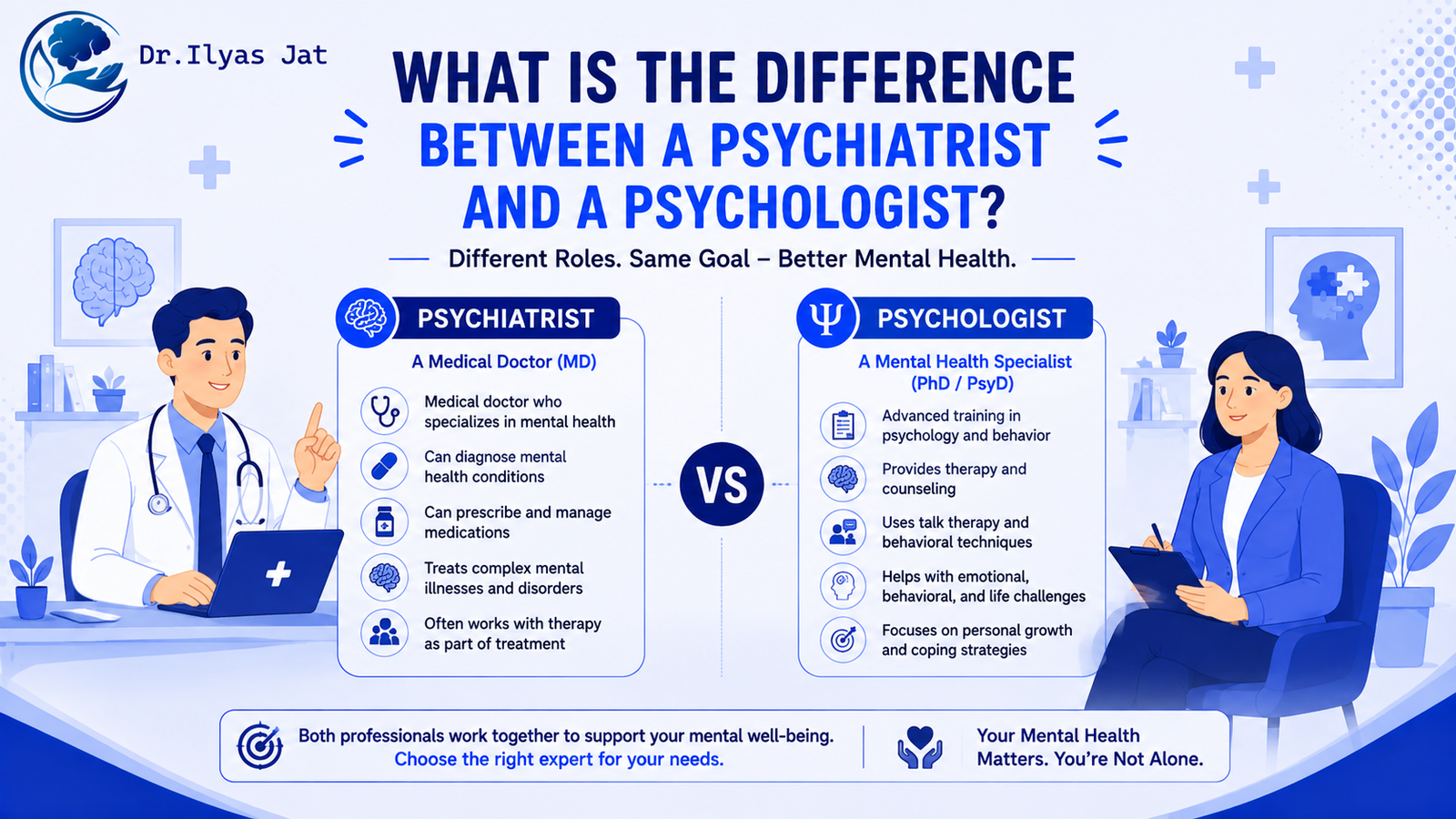
One of the most common questions people have when looking for a mental health specialist is whether they should see a psychiatrist or psychologist.
The simple distinction is that a psychiatrist is a medical doctor specializing in mental health, while a psychologist generally focuses on psychological assessment and psychotherapy.
Professional | Main Role | Can Assess Mental Health? | Psychotherapy | Medication |
Psychiatrist | Medical diagnosis and psychiatric treatment | Yes | May provide or coordinate it | Can prescribe when appropriate |
Clinical Psychologist | Psychological assessment and therapy | Yes | Yes | Usually does not prescribe |
General Physician | Initial medical assessment and referral | Can screen | Usually limited | Can prescribe some medicines |
Counselor/Therapist | Emotional and behavioral support | Depends on training | Often | Generally no |
The choice does not always have to be one or the other. Some people benefit from coordinated care in which a psychiatrist manages medical treatment while a psychologist provides regular psychotherapy.
When Should You See a Mental Health Specialist?
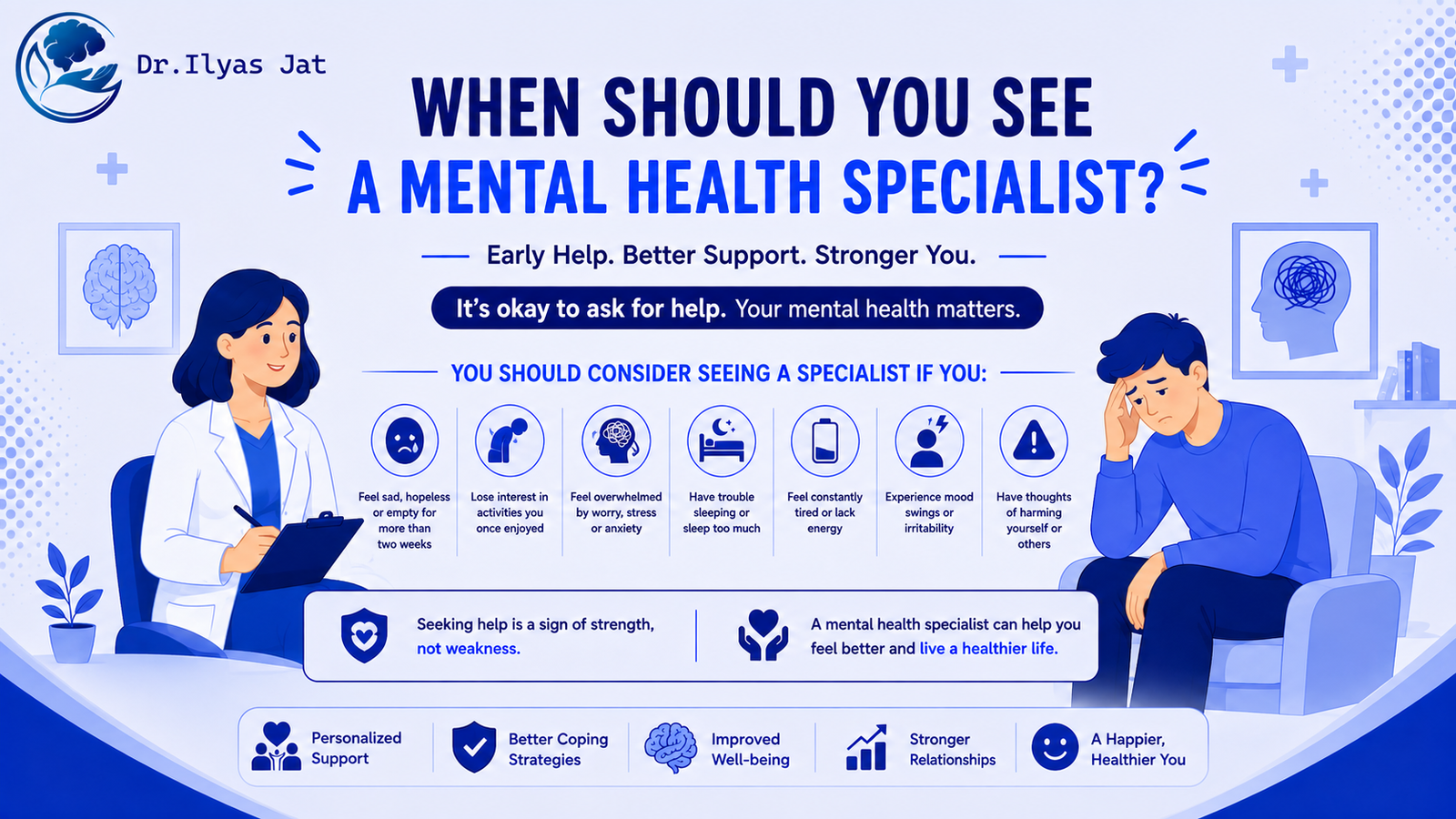
You should consider professional help when symptoms are persistent, difficult to control, or interfere with normal activities.
Feeling sad after a difficult event or becoming worried before a serious situation is normal.
The concern becomes more significant when symptoms are intense, continue for a prolonged period, or interfere with relationships, work, education, sleep, or everyday responsibilities.
Depression may involve persistent low mood or loss of interest or pleasure.
Anxiety disorders can involve excessive fear or worry that is difficult to control and may be accompanied by physical tension, restlessness, concentration difficulties, or other symptoms.
You should consider consulting a mental health professional if you notice:
- Persistent sadness, hopelessness, or loss of interest
- Excessive worry that is difficult to control
- Frequent panic attacks or intense fear
- Major changes in sleep or appetite
- Low energy or difficulty concentrating
- Avoiding people, places, work, or normal activities
- Problems functioning at home, school, or work
- Symptoms that continue or repeatedly return
- Thoughts about death, self-harm, or suicide
If you are experiencing thoughts of suicide or believe you may harm yourself, seek urgent medical help rather than waiting for a routine appointment.
WHO recommends reaching out to a health worker or trusted person and seeking emergency assistance when there is immediate danger.
What Does a Psychiatrist Do for Depression and Anxiety?
A psychiatrist does more than simply prescribe medication. The first consultation generally involves a detailed assessment of your symptoms and circumstances.
The psychiatrist may ask when the symptoms began, how often they occur, whether they affect sleep or appetite, how they influence work and relationships, and whether you have experienced similar symptoms previously.
They may also ask about your medical history, current medications, family history, substance use, stressful life events, and previous mental health treatment.
This information helps the psychiatrist determine whether symptoms may be related to depression, an anxiety disorder, another mental health condition, a physical health problem, medication effects, or a combination of factors.
The treatment plan is then tailored to the individual rather than simply applying the same treatment to everyone.
Depression and Anxiety Treatment: What Can It Include?
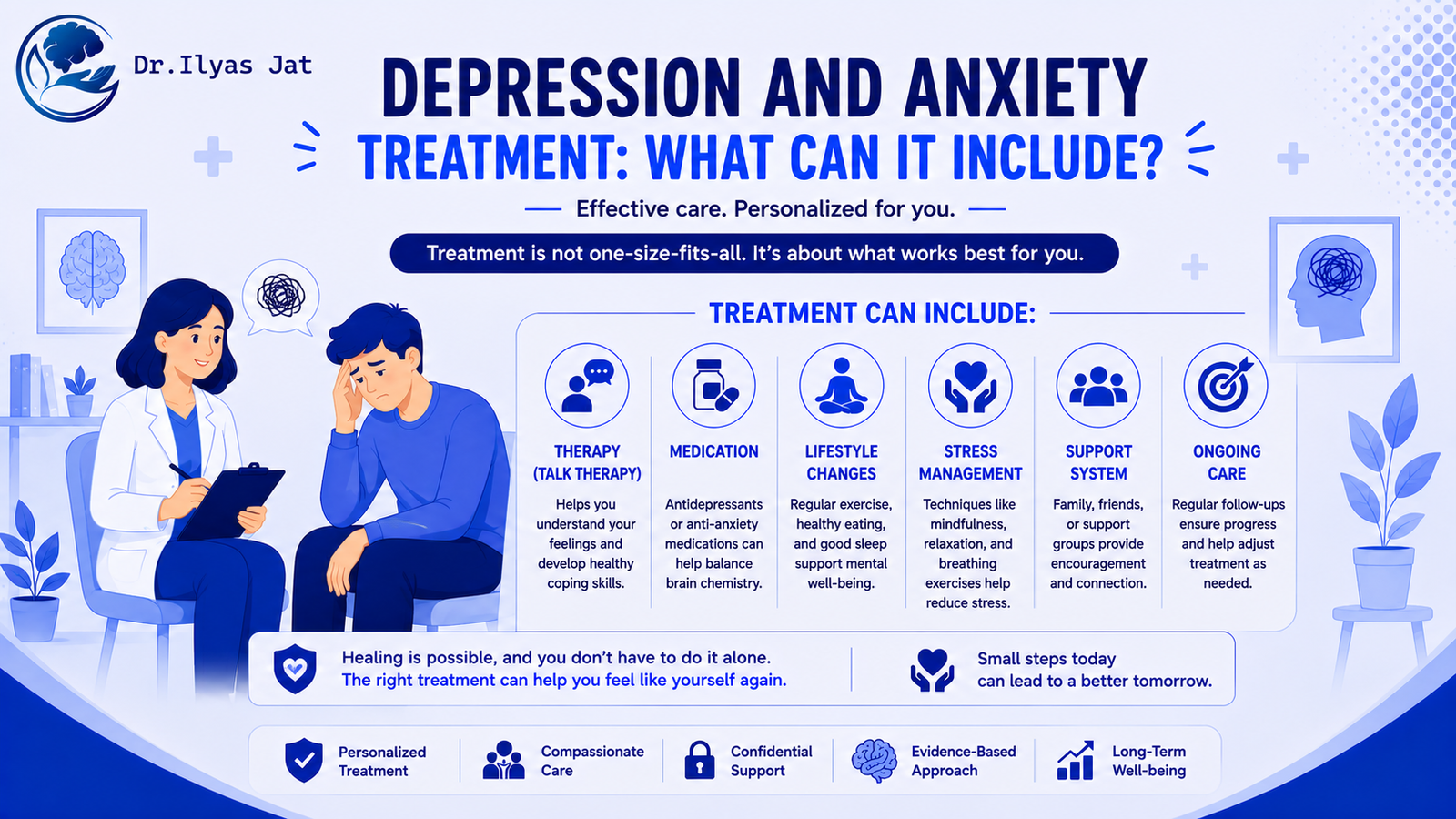
Depression and anxiety treatment depends on the diagnosis and severity of symptoms.
Psychological treatment is an important component of care.
Different forms of psychotherapy can help people identify unhelpful thought patterns, develop coping skills, improve behavior, manage stress, and address factors contributing to emotional distress.
For depression, the WHO lists evidence-based psychological treatments such as behavioral activation, cognitive behavioral therapy, interpersonal psychotherapy, and problem-solving therapy.
For anxiety disorders, psychological interventions can teach people ways to manage anxious thoughts and gradually face situations that trigger excessive fear.
CBT-based approaches, including exposure techniques when appropriate, have strong evidence for several anxiety disorders.
Medication may also be considered. Antidepressants are sometimes used for depression and certain anxiety disorders, particularly when symptoms are moderate or severe or when psychotherapy alone is not sufficient.
The decision should be made with a qualified healthcare professional.
Some people need psychotherapy alone, some may benefit from medication, and others may need both.
There is no single treatment that is suitable for every person.
How Dr. Ilyas Jat Can Help Patients in Karachi
For someone searching for a Depression Doctor Near Me or a psychiatrist in Karachi, Dr. Ilyas Jat may be considered as a mental health care option.
Dr. Ilyas Jat is identified as a psychiatrist in Karachi, and his official website lists services related to adult psychiatry, anxiety and related disorders, psychological disorders, bipolar disorder, and other psychiatric conditions. His website describes more than 15 years of hands-on experience, while other doctor directories provide additional information about his psychiatric practice in Karachi.
His official profile also describes a patient-focused approach to psychiatric care. For patients looking for a psychiatrist for depression and anxiety, the important consideration should be whether the doctor is appropriately qualified, experienced with the symptoms involved, communicates clearly, and provides a treatment plan suited to the individual.
When choosing any doctor, patients should verify current qualifications, clinic location, appointment availability, and treatment details directly with the provider before visiting.
How to Choose the Right Mental Health Specialist in Pakistan
Finding a mental health specialist can sometimes feel difficult, particularly if you have never received mental healthcare before
. In Pakistan, people may search online using terms such as “psychiatrist near me,” “depression doctor near me,” “clinical psychologist for anxiety,” or “mental health specialist.”
Rather than selecting a professional based only on online rankings or advertisements, consider their qualifications, relevant experience, approach to treatment, and whether they clearly explain your options.
A good consultation should allow you to discuss your symptoms without fear of judgment. You should be able to ask questions about the diagnosis, treatment options, expected benefits, possible side effects, follow-up, and what you should do if symptoms become worse.
What to Prepare Before Your Appointment
A little preparation can make your first appointment more productive.
Write down when your symptoms started and whether they are becoming more frequent or severe. Note major changes in your sleep, appetite, energy, concentration, mood, or daily routine.
Also, make a list of medicines or supplements you currently take. If you have received mental health treatment before, bring relevant information about previous diagnoses, therapies, or medications.
Most importantly, be honest with the doctor. Mental health professionals need accurate information to make appropriate clinical decisions.
Can Depression and Anxiety Be Treated Together?
Yes. Depression and anxiety can occur at the same time, and a person may experience symptoms of both conditions.
For example, someone may feel persistently sad and lose interest in activities while also spending much of the day worrying about work, finances, health, relationships, or the future.
When both conditions are present, the mental health professional will consider the complete pattern of symptoms rather than treating one symptom in isolation.
Treatment may include psychotherapy, medication, lifestyle support, or a combination. WHO states that effective treatments are available for both depression and anxiety.
What Can You Do Alongside Professional Treatment?
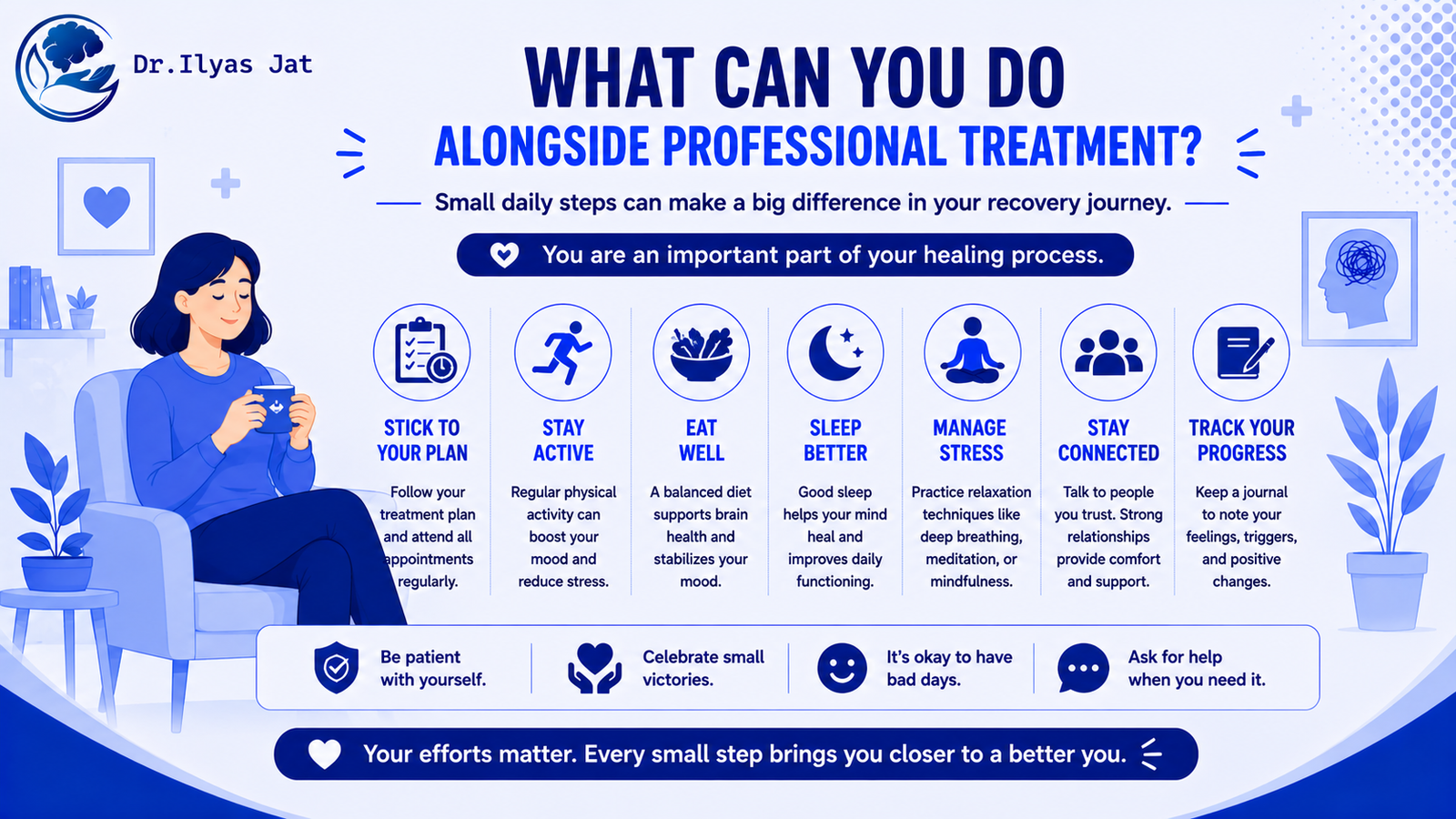
Professional treatment is important when symptoms are significant, but healthy daily habits can support overall mental wellbeing.
Regular physical activity, adequate sleep, social connection, structured daily routines, relaxation techniques, and reducing harmful substance use can support mental health.
These measures should complement rather than replace appropriate professional treatment.
WHO recommends maintaining regular sleep and eating patterns, staying connected with supportive people, exercising regularly, and seeking help from a healthcare provider when experiencing depression.
It can also help to communicate with someone you trust. Depression and anxiety can make people withdraw from family and friends, but social support can make it easier to seek and continue treatment.
How Long Does Depression and Anxiety Treatment Take?
There is no fixed treatment duration for everyone.Some people notice improvement relatively early, while others need longer-term care.
The timeframe can depend on symptom severity, diagnosis, treatment type, previous episodes, other medical conditions, and how consistently the treatment plan is followed.
Psychotherapy may involve multiple sessions.
Medication, when prescribed, may also take time to produce its full effect, and a psychiatrist may adjust the treatment depending on the response and side effects.
The goal is not simply to reduce one symptom for a few days.
Long term treatment aims to improve daily functioning, emotional wellbeing, coping skills, and overall quality of life.
Common Mistakes to Avoid When Seeking Depression and Anxiety Treatment
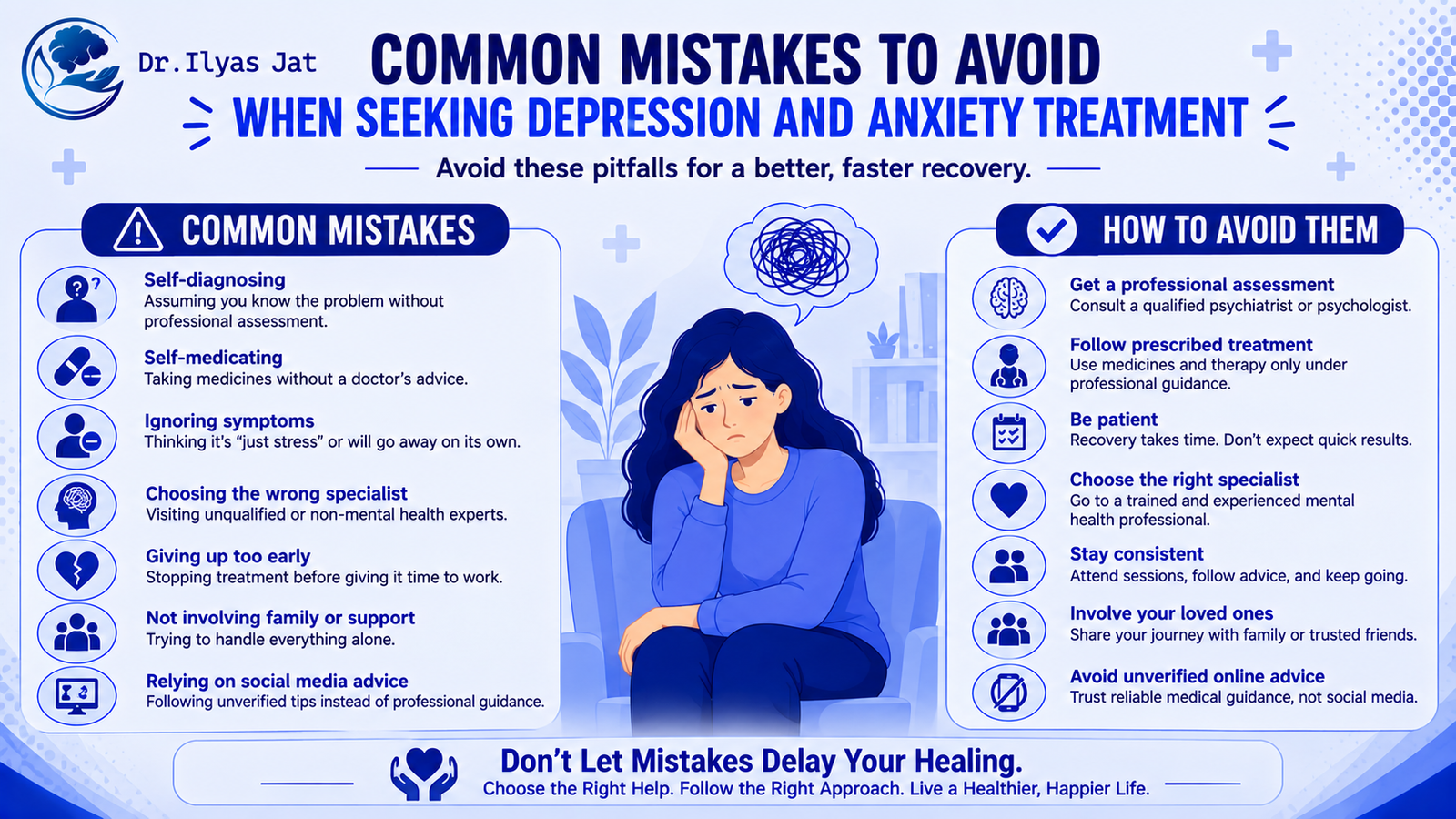
People sometimes delay professional care because they believe depression or anxiety is simply a matter of willpower.
Others may self-medicate, stop prescribed medication suddenly, or rely entirely on advice from social media.
These approaches can delay appropriate assessment.
Mental health symptoms can have different causes, and similar symptoms may occur in different conditions.
A proper professional assessment is therefore more useful than trying to diagnose yourself based on an online symptom list.
Do not assume that one person’s treatment will work the same way for another person. Mental healthcare should be individualized.
Frequently Asked Questions
Which doctor is best for depression and anxiety?
A psychiatrist is often an appropriate doctor for depression and anxiety, especially when symptoms are persistent, severe, or may require medication.
A clinical psychologist can provide evidence-based psychotherapy, and many people benefit from coordinated care between a psychiatrist and psychologist.
Should I see a psychiatrist or psychologist first?
It depends on your symptoms and needs. If you think medication may be needed, symptoms are severe, or you have significant changes in mood or functioning, a psychiatrist may be appropriate.
If your main need is psychotherapy for anxiety, stress, negative thought patterns, or emotional difficulties, a clinical psychologist may be a suitable choice.
Can a clinical psychologist treat anxiety?
Yes. Clinical psychologists can provide psychotherapy for anxiety. CBT-based treatments are among the best studied psychological approaches for several anxiety disorders.
Can depression and anxiety be treated without medication?
In some cases, yes. Psychological treatments can be effective for depression and anxiety, and medication is not automatically necessary for everyone.
The appropriate treatment depends on symptom severity, diagnosis, medical history, personal preferences, and professional assessment.
Where can I find a depression doctor near me in Karachi?
You can search for a qualified psychiatrist or clinical psychologist in your area and verify their credentials, experience, clinic details, and appointment availability.
Dr. Ilyas Jat is one psychiatrist practicing in Karachi whose official profile lists depression and anxiety-related psychiatric care among his services.
When should depression or anxiety be considered an emergency?
Urgent help is needed when someone is at immediate risk of harming themselves or another person, is experiencing severe confusion or loss of contact with reality, or cannot safely care for themselves.
In such situations, seek emergency medical assistance rather than waiting for a standard appointment.
Conclusion
If you are asking which doctor to consult for depression and anxiety, a psychiatrist is often an appropriate starting point, particularly when symptoms are persistent, severe, or potentially require medical treatment.
A clinical psychologist can provide psychotherapy and help address emotional, behavioral, and thought related difficulties
. A general physician can also help you begin the process and refer you to a suitable mental health specialist.
The most important step is not to ignore symptoms simply because they involve mental health.
Depression and anxiety are real health conditions, and effective treatments are available.
For people in Karachi, Dr. Ilyas Jat is a psychiatrist who can be considered when seeking professional psychiatric care for depression, anxiety, and related mental health concerns.
His official profile lists psychiatric services for adults and several mental health conditions.
Choosing the right professional is the beginning, not the end, of treatment. Be open about your symptoms, follow the agreed treatment plan, attend follow up appointments, and communicate with your healthcare provider if your condition changes.
Seeking help is not a weakness.
It is a practical step toward better mental health and improved quality of life.