

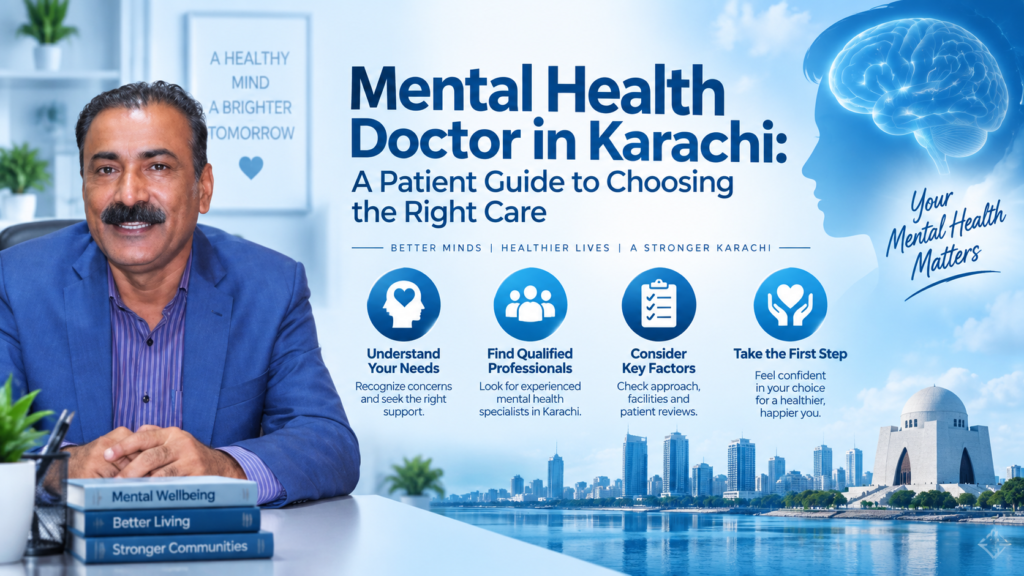
What Does a Mental Health Doctor Do?
A mental health physician assesses emotional, behavioural, and psychological issues and determines if the issue requires mental health treatment.
A psychiatrist is a medical professional who is trained to evaluate mental health disorders, take into account any physical or medical issues which may be contributing to mental symptoms, and prescribe medicines in a clinical setting.
There may be some overlap between mental health symptoms and physical health issues. For instance, alterations in sleep, attention, energy, appetite and mood may be attributed to various causes.
A thorough assessment enables the health care professional to see the ‘big picture’ before prescribing treatment.
Any concerns that may arise that involve anxiety, depression, obsessive thoughts/compulsions, mood disorders, trauma-related difficulties, sleep problems, behavioral changes, or psychological/psychiatric concerns could be helped with the assistance of a mental health professional.
The suitable care depends on the nature of the symptoms and the type of care needed which in turn depends on the appropriate professional.
Psychiatrist vs Psychologist: What Is the Difference?
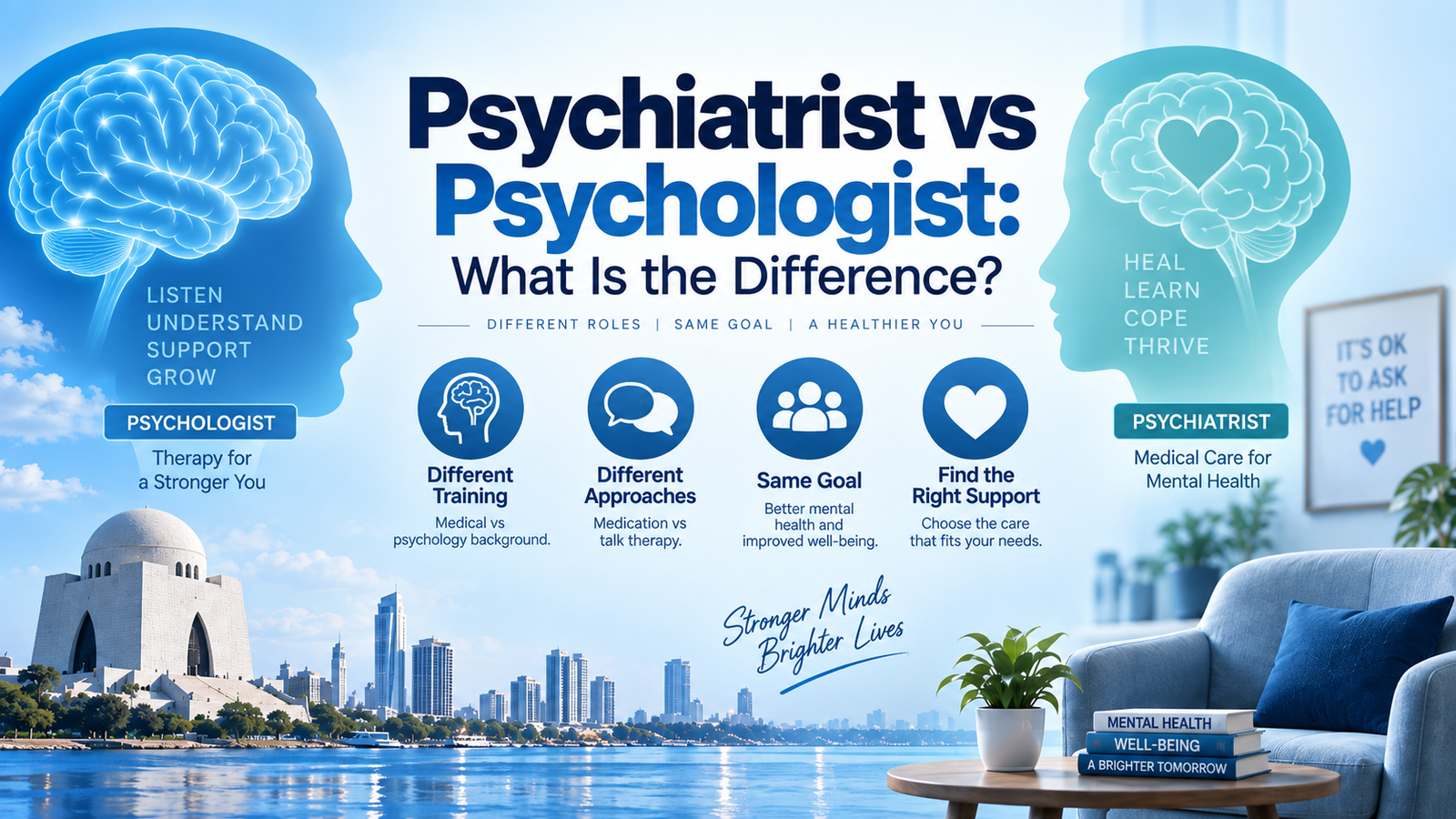
A psychiatrist is a medical doctor specializing in mental health. A psychiatrist can conduct a psychiatric assessment, diagnose mental health conditions within their scope of practice, and prescribe medication when indicated.
A psychologist specializes in psychological assessment, psychotherapy, counseling, and behavioral interventions. Psychologists generally do not prescribe medication.
Psychotherapy can help people work on troubling thoughts, emotions, behaviors, coping skills, communication, and other concerns.
Factor | Psychiatrist | Psychologist / Therapist |
Medical doctor | Yes | Usually no |
Mental health assessment | Yes | Yes, depending on training and scope |
Psychotherapy | Some psychiatrists provide it | Core part of practice |
Medication | Can prescribe when appropriate | Generally cannot prescribe |
Common focus | Psychiatric assessment, medication, therapy where offered | Therapy, counseling, behavioral and emotional concerns |
May work together | Yes | Yes |
Neither professional is automatically appropriate for every situation. Some patients benefit from one type of care, while others may need coordinated treatment involving both medication and psychotherapy.
When Should You See a Mental Health Doctor in Karachi?
Don’t wait until symptoms are severe to seek help. Professional help may be needed if emotional or behavioral changes don’t go away or if they cause problems in relationships or with work, school, sleep or daily activities.
The following are some indicators that may warrant an evaluation:
- Ongoing feelings of sadness, hopelessness, over-worrying, or irritability.
- Significant alterations in eating or sleeping patterns.
- Trouble staying focused or doing normal work duties
- A decreased interest in activities that were once fun or pleasurable
- Episodes of panic or very strong fear that “come back”
- Persistent thoughts or repeated behaviors
- Significant mood changes
- Retraction or significant changes in behavior
- Ideation about self-harm or suicide
- Use of substances that is problematic or hard to stop
Having these signs does not necessarily indicate a mental health disorder. A professional evaluation is required to determine what is going on and if it is treatable.
What Conditions Can Mental Health Professionals Treat?
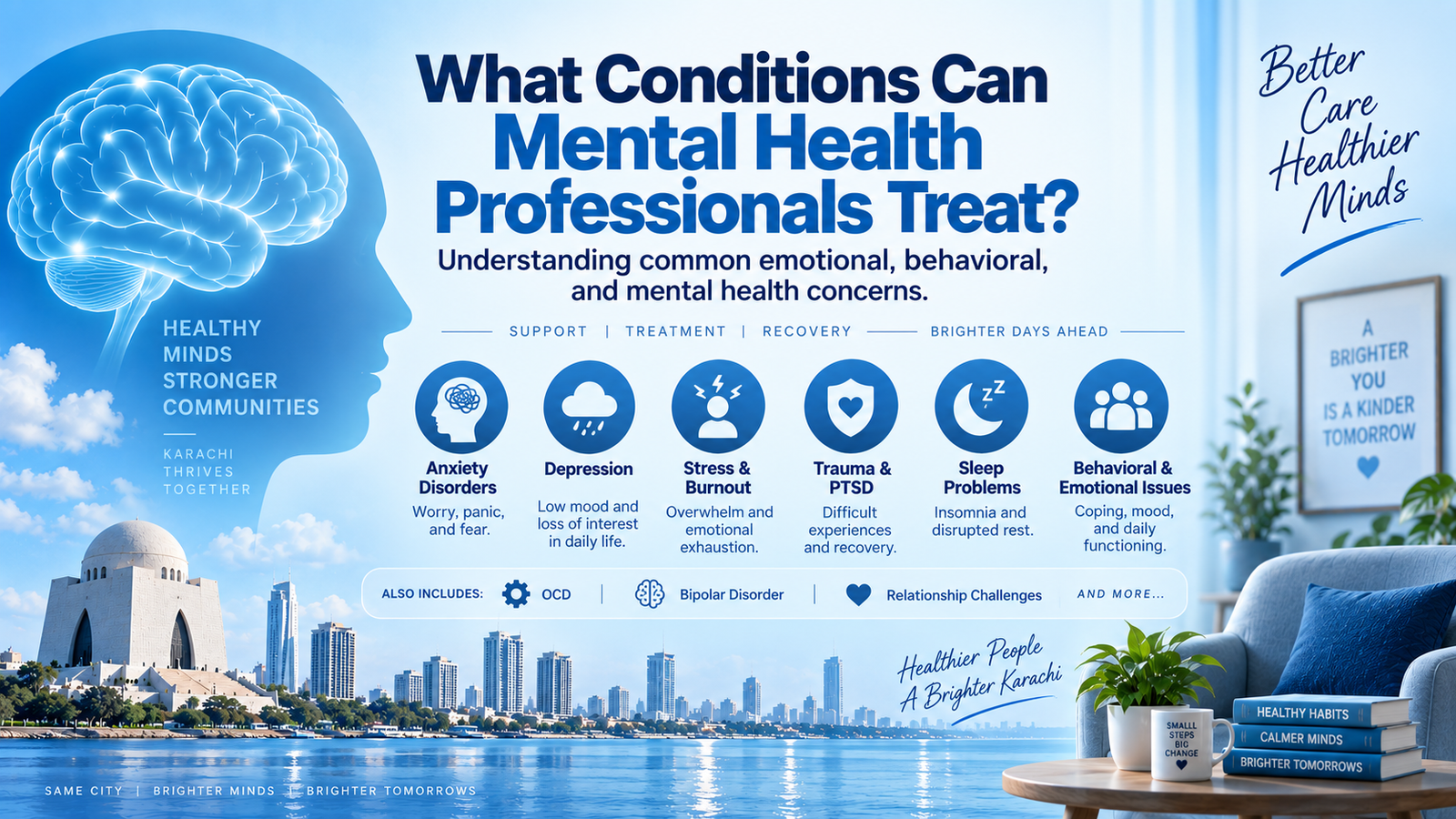
Mental health services are for a wide variety of issues. Conditions treated by a provider vary with their qualifications, specialty, and scope of clinical practice.
Common mental health conditions that are reasons for psychiatric or psychological treatment include anxiety disorders, depression, obsessive-compulsive disorder, bipolar disorder, trauma-related symptoms, sleep problems, behavioral problems, and others.
Treatment should be based on an evaluation, not just on symptoms. But the same symptoms can happen in other circumstances, and some physical health issues or medicines can cause mood, sleep, attention, or behavior changes as well.
How Is Mental Health Treatment Provided?
Mental health treatment may be provided in a variety of ways. Some of the most frequently used treatments include psychotherapy and medication; patients can receive both.
Psychotherapy
Talk therapy, or psychotherapy, is a therapeutic approach that involves working with challenging emotions, thoughts, and actions. There are various approaches for various issues.
For instance, cognitive behavioral therapy (CBT) is used to teach individuals to recognize negative thinking and behavior patterns and then replace them with more positive ones. Other methods can involve other factors like coping skills, relationships, emotional regulation, trauma, and specific symptoms.
Medication
Medication is a treatment option that may be considered if clinically appropriate. Patients may need different types of medicines, dosages, duration, and monitoring depending on their symptoms, diagnosis, medical history, other medicines, and response to medicines.
Patients should not begin, discontinue or adjust psychiatric medication without consulting the prescriber of the medication. Medicines for mental health conditions can have different effects on individuals, and treatment might need to be continued and adjusted.
Combined Treatment
Psychotherapy and medication can be a combination in some cases. Treatment plans should be tailored to the patient, their medical history, and their preferences and reaction to care.
How to Choose a Mental Health Doctor in Karachi
Hospitals, clinics, private practice psychiatrists and psychiatrists who consult online are among the mental health professionals working in Karachi. There are healthcare directories available online, and they include psychiatrists and psychologists in various locations in the city, as well as video and/or in-person appointments.
If you’re looking around for providers, consider the things that may add and subtract from the care that’s suitable for you.
Consider the following:
- Qualifications relevant to the medical or clinical field.
- Professional registration, as applicable.
- Know the experience of the type of concern you wish to discuss.
- Whether your provider treats you as you should be treated in your age group or not
- Availability of in-person or online appointments
- You should talk with your doctor about where and when you should consult.
- Whether psychotherapy or medication management, or both, are provided
- Communication style and comfort in discussing sensitive issues
- Follow-up arrangements
- Use comments to discuss any costs associated with conducting the consultation and how to make it accessible in practice.
The Pakistan Medical and Dental Council has a practitioner register available online for searching doctors with their registration number or complete name as well as valid registration and qualifications of doctors at their disposal.
Considering Dr Ilyas Jat in Karachi
Patients looking for mental health in Karachi can also stumble upon Dr. Ilyas Jat. According to an online healthcare directory, Assist is currently listed. Prof. Dr. Muhammad Ilyas Jat is a Psychiatrist and has done MBBS and FCPS. The listings now include an online video consultation along with consultations offered at Al-Hujjat Medical & Diagnostics located on M.A. Jinnah Road.
Consultation details may vary from time to time and place to place and may not be accurate. Before patients visit, they should check the information they have with the provider or booking service.
The PMDC practitioner register can also be used to independently verify a doctor’s registration and registered qualifications.
When thinking about Dr Ilyas Jat for mental health, be ready with a summary of your symptoms, how long they have been there, and how they are impacting your life. This may make the initial consultation more effective.
What Happens During a Mental Health Consultation?
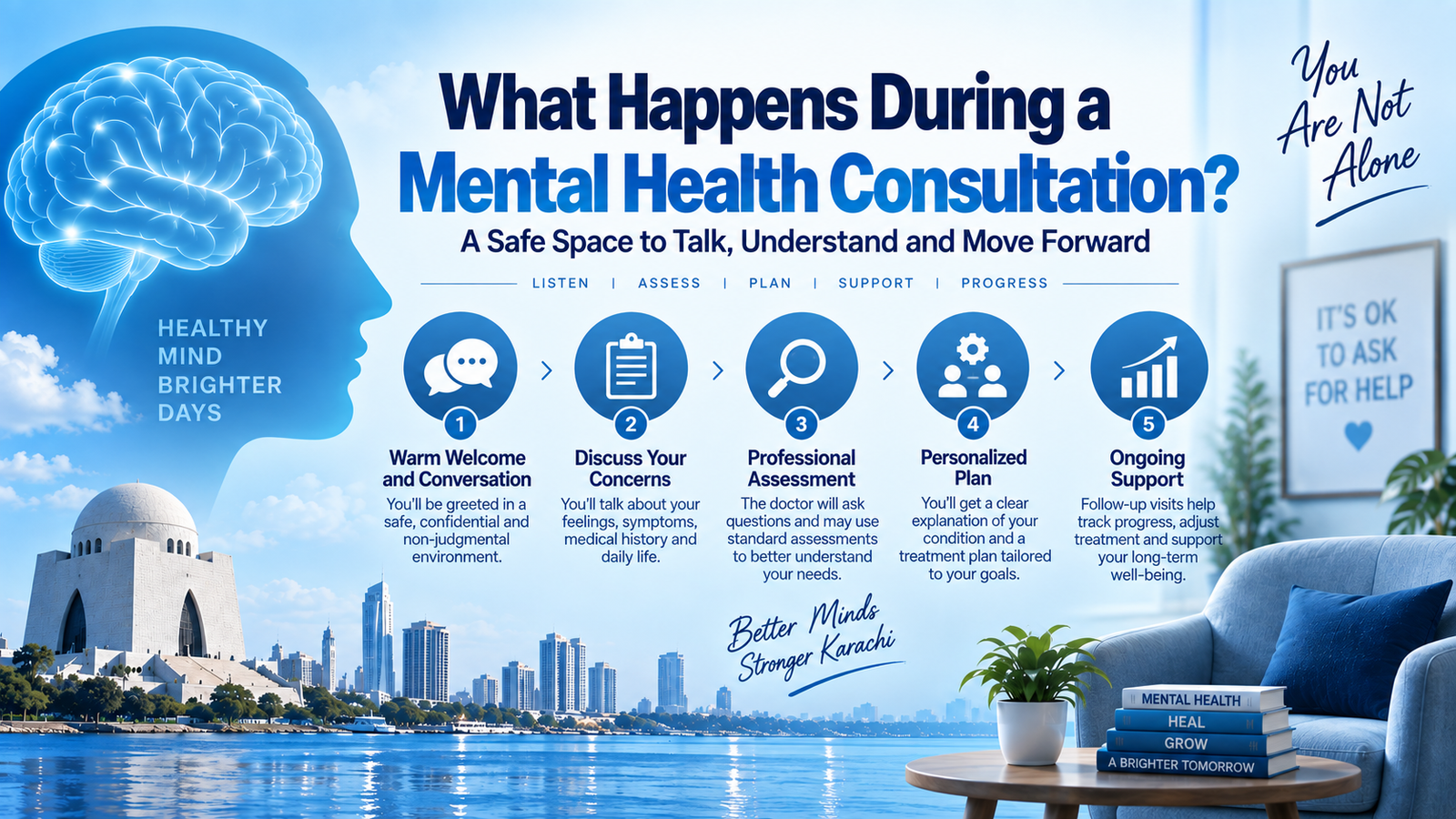
The initial appointment typically starts with a conversation about why someone has come to seek assistance. The doctor will ask about symptoms, their duration, sleep, appetite, mood, concentration, functioning in the day, previous treatment, medications, substance use and relevant personal and family history.
The professional might also ask about the effects of symptoms on work, school, relationships, or daily living. Further evaluation or medical workup may be suggested in some circumstances.
To prepare for the appointment, write any of your primary concerns down. May also be able to provide a list of current medications, supplements, past diagnoses, and medical history. NIMH suggests asking questions and obtaining information on medications prior to a mental health appointment.
Don’t have to state everything in a flawless manner. A simple statement of what you have observed and how it is an issue for you will provide helpful information for the professional.
What Questions Should You Ask a Mental Health Doctor?
Patients frequently have questions, but may be afraid to ask them at their appointment. Good communication will help you to grasp the treatment offered.
Useful questions include:
- What might be causing these symptoms?
- Which assessments should be done?
- What are the treatment options?
- Could psychotherapy help me with my situation?
- If they are prescribed, what do they do?
- Which side effects are there?
- How will we know if treatment is working?
- At what time should I have a follow-up?
- If my symptoms get worse, what should I do?
- Is there lifestyle or support that can go with the treatment?
Feel free to inquire about confidentiality and situations where disclosure may be necessary for safety. When starting mental health care, these are rational inquiries.
Online Mental Health Consultation in Karachi
The online consultation will be a helpful alternative to visiting a clinic if this is not possible. Soon, there will be video consultation services available for psychiatrists and psychologists in healthcare directories in Karachi.
Follow-up or anyone who is not able to travel may find an online appointment convenient. But whether or not online care is appropriate is contingent on the individual’s symptoms, clinical needs, privacy, access to technology, and professional judgment.
If the emergency is critical or severe, particularly if safety is immediately at stake, an in-person emergency assessment might be more suitable.
Mental Health Care Should Be Individualized
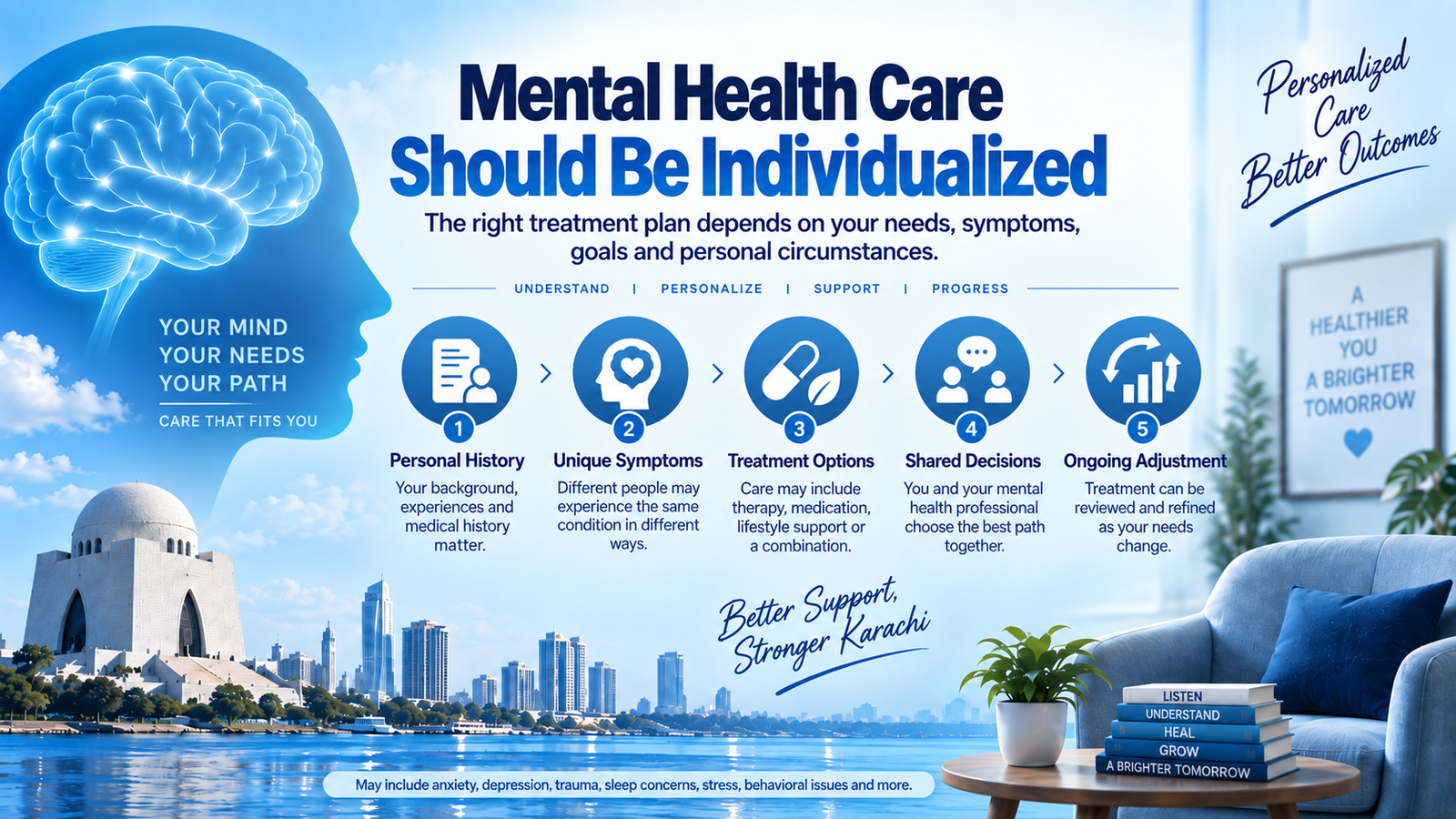
No one treatment is suitable for everyone. Two people can experience the same symptoms for different reasons, have different medical histories, have different support systems, or have different treatment needs.
Mental health specialists may suggest psychotherapy, drugs or a combination of them, further medical checkup, or refer you to another expert. Treatment also may vary over time based on individual response.
Symptom checklists and online articles should not replace clinical assessment. Evidence-based mental health care is individualized and will often need follow-up.
When Is Mental Health Help Urgent?
In some cases, an appointment isn’t appropriate and needs to be done right away.
If the person is a danger to themselves or others, or has plans to attempt suicide, is severely confused or out of contact with reality, or is unable to be safely supervised, call to get medical help.
For Pakistan, there are currently 1122 or 112 from mobile phones to call for emergency ambulance services and 15 for police. It also provides several contacts for mental health crises and support in Pakistan, amongst which are Sindh resources.
Never leave a person unsupervised if there is a present danger. Call emergency services or transport to a suitable emergency department.
Common Mistakes to Avoid When Choosing Mental Health Care
The mistake that many people make is choosing a provider because they have a title like ‘best psychiatrist’, ‘top mental health doctor’, etc. Search results and directory listings are subject to change and online ratings do not give a full indication as to the suitability of a professional to an individual’s needs.
The other error is assuming medication is the only treatment for the illness. Psychotherapy or behavioral support, lifestyle changes, social support, medication, or all of the above, may be considered, depending on the condition.
Patients should also not take a medication prescribed for another person or alter a medication without the advice of a professional. It is best to consult the advice of a medical practitioner when deciding on medication.
Key Takeaways for Patients in Karachi
Mental health services are not just for mental health professionals. Psychiatrists can provide a medical psychiatric assessment and prescribe medicine if needed; Psychologists and therapists are more involved with psychotherapy and counselling.
For finding a mental health doctor in Karachi, consider the relevant qualifications, registration, area of expertise, availability of appointments, location, follow-up arrangements etc. You can use the PMDC register to check if a doctor is registered to practice in Pakistan and has the qualifications that they claim.
Most importantly, if symptoms continue or get in the way of normal functioning, seek professional assistance. Do not hesitate to seek routine assistance, but if there is any immediate danger of self-harm or suicide, seek emergency assistance.