

Mental health affects how people think, feel, behave, and respond to daily challenges.
Yet many individuals ignore emotional struggles until they begin to impact relationships, work performance, physical health, and overall quality of life.
Stress, anxiety, depression, and burnout have become increasingly common across all age groups, making mental health a major public health concern.
Mental health awareness plays a vital role in helping people recognize symptoms early, seek appropriate support, and create healthier communities.
Greater awareness can reduce stigma, encourage open conversations, and empower individuals to take proactive steps toward emotional wellness.
This guide explores the importance of mental health, common challenges, warning signs, risk factors, treatment options, and practical strategies that can help people maintain emotional balance and resilience.
Why Is Mental Health Important for Overall Well-Being?
Mental health is just as important as physical health. It influences how people handle stress, make decisions, build relationships, and achieve personal goals.
Good mental health can help individuals:
- Manage daily responsibilities effectively
- Maintain healthy relationships
- Improve productivity and concentration
- Adapt to life changes
- Build self-confidence
- Enhance overall quality of life
Poor mental health can affect nearly every aspect of life.
It may contribute to sleep problems, reduced energy levels, difficulty focusing, social withdrawal, and physical health concerns.
Research consistently shows a strong connection between emotional wellness and physical health.
Individuals who maintain good mental health often experience better long-term health outcomes.
What Does Mental Health Awareness Mean?
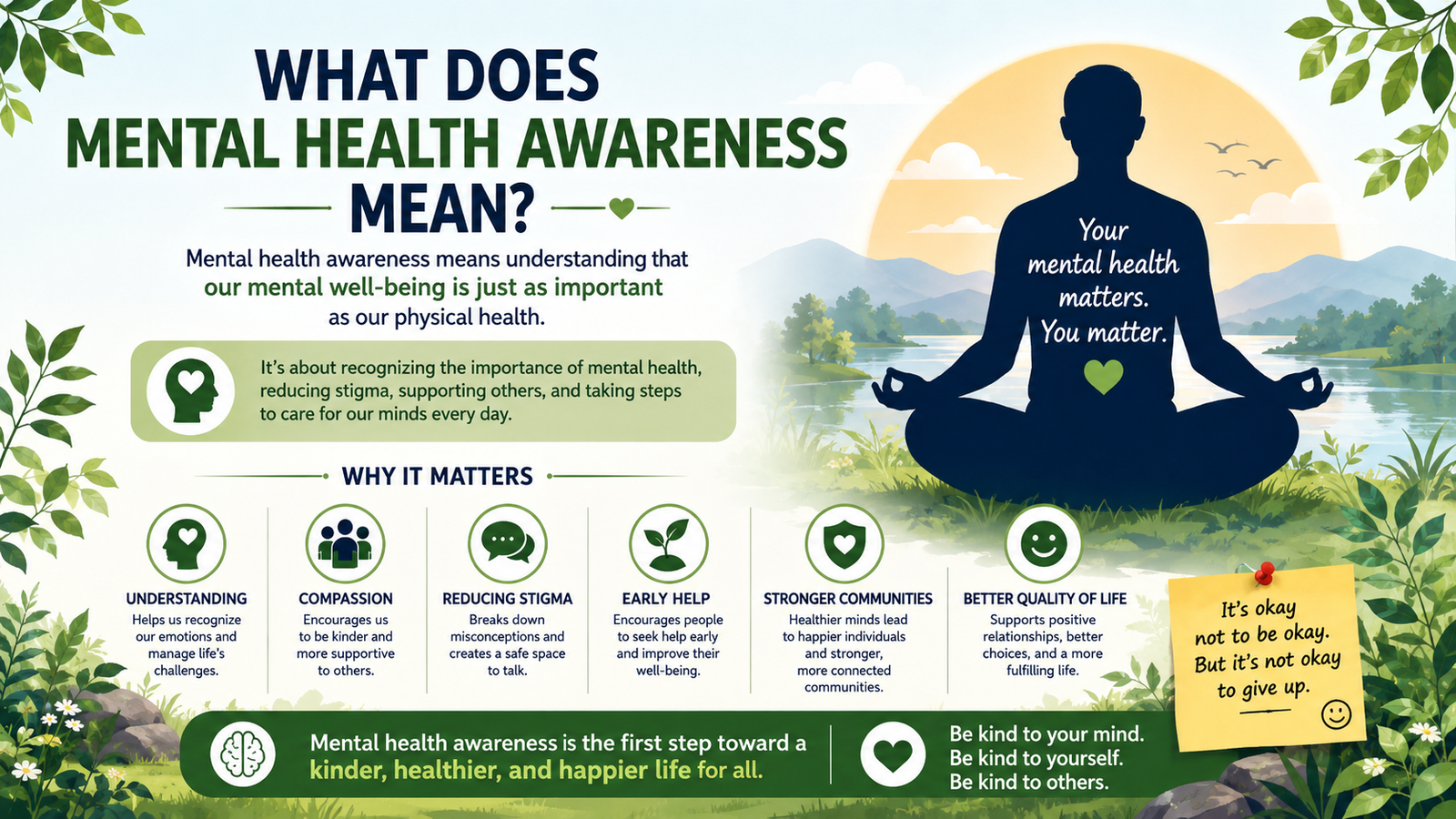
Mental health awareness refers to educating people about emotional wellness, mental health conditions, available support systems, and the importance of early intervention.
The goal is to help people:
- Recognize symptoms of mental health conditions
- Reduce social stigma
- Encourage professional support when needed
- Promote healthy coping strategies
- Improve access to mental health resources
Awareness campaigns have helped millions of people feel more comfortable discussing emotional challenges and seeking assistance without fear of judgment.
What Are the Most Common Mental Health Conditions?
Several mental health conditions affect people worldwide. Some of the most common include:
Anxiety Disorders
Anxiety disorders involve excessive fear, worry, or nervousness that interferes with daily activities.
Symptoms may include restlessness, rapid heartbeat, excessive sweating, and difficulty concentrating.
Depression
Depression is more than temporary sadness. It can cause persistent feelings of hopelessness, loss of interest, fatigue, changes in appetite, and difficulty performing routine tasks.
Bipolar Disorder
This condition involves significant mood changes ranging from emotional highs to periods of deep sadness.
Post Traumatic Stress Disorder
PTSD may develop after experiencing or witnessing traumatic events. Symptoms often include flashbacks, nightmares, and heightened emotional reactions.
Obsessive Compulsive Disorder
OCD involves unwanted thoughts and repetitive behaviors that individuals feel compelled to perform.
Eating Disorders
These conditions affect eating habits and body image and may lead to serious physical and emotional complications.
What Are the Early Warning Signs of Mental Health Problems?
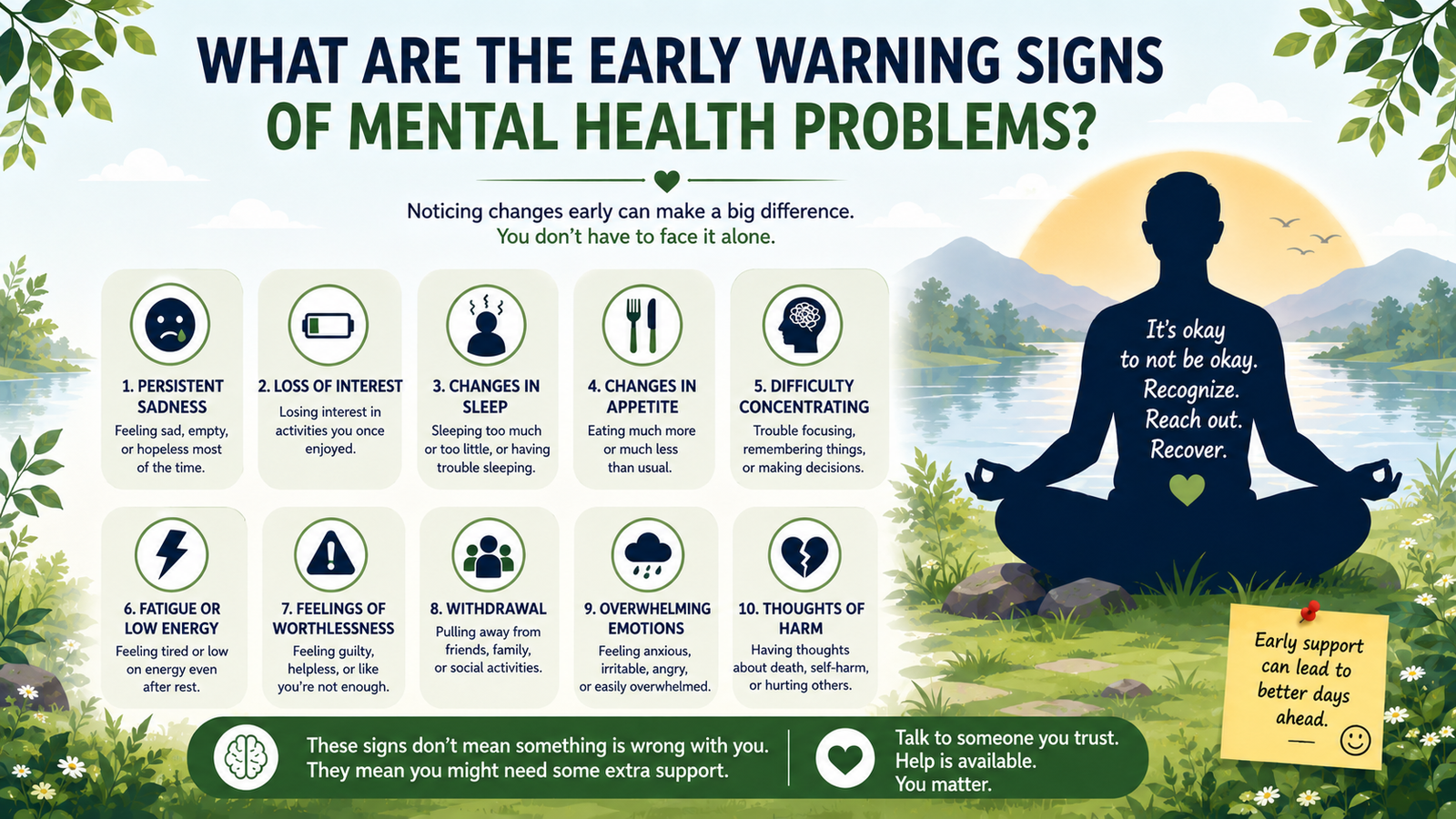
Recognizing warning signs early can improve outcomes and support timely intervention.
Common signs may include:
- Persistent sadness or hopelessness
- Excessive worry or fear
- Sudden mood changes
- Withdrawal from friends and family
- Changes in sleep patterns
- Significant appetite changes
- Difficulty concentrating
- Loss of motivation
- Increased irritability
- Declining work or academic performance
Not everyone experiences the same symptoms. The intensity and duration may vary depending on the condition and individual circumstances.
What Factors Can Affect Mental Health?
Mental health is influenced by a combination of biological, psychological, social, and environmental factors.
Genetics
Family history can increase susceptibility to certain mental health conditions.
Life Experiences
Traumatic events, abuse, neglect, or major life changes can impact emotional well-being.
Chronic Stress
Long-term stress from work, finances, relationships, or caregiving responsibilities can contribute to mental health challenges.
Physical Health Conditions
Certain medical conditions may affect mood, cognition, and emotional stability.
Social Isolation
Limited social interaction and a lack of emotional support can increase the risk of mental health concerns.
Substance Use
Alcohol and drug misuse can negatively affect brain function and emotional regulation.
How Can Mental Health Awareness Reduce Stigma?
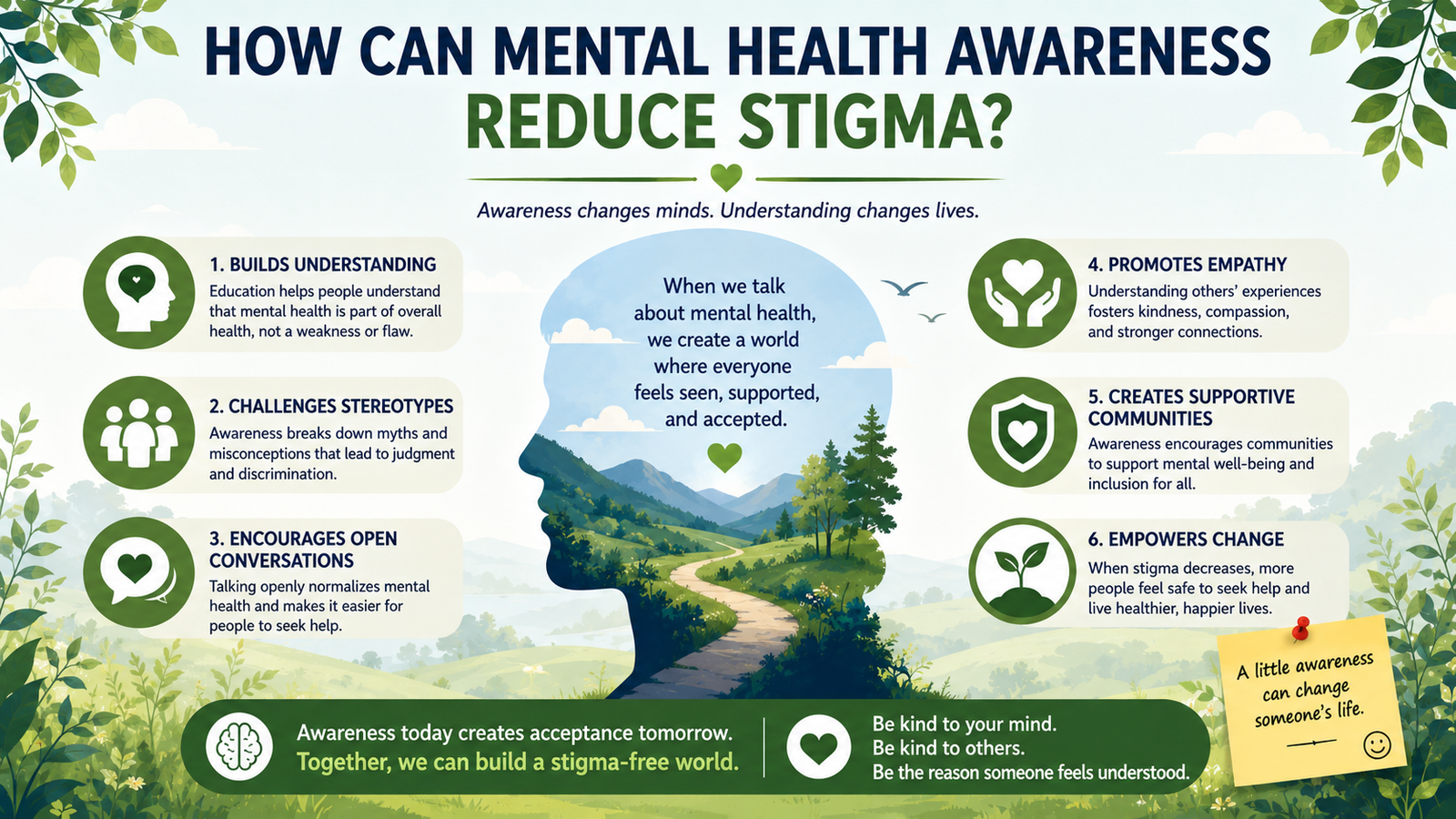
Stigma remains one of the biggest barriers preventing people from seeking help.
Many individuals avoid discussing emotional struggles because they fear criticism, discrimination, or misunderstanding.
Education helps challenge misconceptions and promotes empathy.
When communities support open conversations about mental health:
- More people seek treatment earlier
- Families become better support systems
- Workplaces create healthier environments
- Schools provide better student support
- Society becomes more inclusive
Mental health awareness encourages people to view mental health conditions as legitimate health concerns rather than personal weaknesses.
How Can People Improve Their Mental Health Daily?
Small lifestyle changes can have a significant impact on emotional wellness.
Prioritize Quality Sleep
Sleep supports brain function, emotional regulation, and stress management. Adults should aim for consistent, restorative sleep each night.
Stay Physically Active
Regular exercise releases chemicals that support positive mood and reduce stress.
Maintain Healthy Relationships
Strong social connections provide emotional support and help individuals cope with life’s challenges.
Practice Stress Management
Techniques such as deep breathing, meditation, mindfulness, and relaxation exercises can help manage stress effectively.
Eat a Balanced Diet
Proper nutrition supports brain health and overall well-being.
Limit Screen Time
Excessive exposure to digital content can increase stress, anxiety, and sleep disturbances.
Set Realistic Goals
Breaking larger tasks into manageable steps can reduce overwhelm and improve confidence.
When Should Someone Seek Professional Help?
Professional support should be considered when symptoms persist, worsen, or interfere with daily functioning.
Individuals should seek help if they experience:
- Ongoing sadness
- Severe anxiety
- Frequent panic attacks
- Difficulty functioning at work or school
- Persistent emotional distress
- Relationship difficulties caused by emotional struggles
- Significant changes in behavior
Mental health professionals may include psychologists, psychiatrists, counselors, therapists, and licensed clinical social workers.
Early intervention often leads to better treatment outcomes and improved quality of life.
What Treatment Options Are Available for Mental Health Conditions?
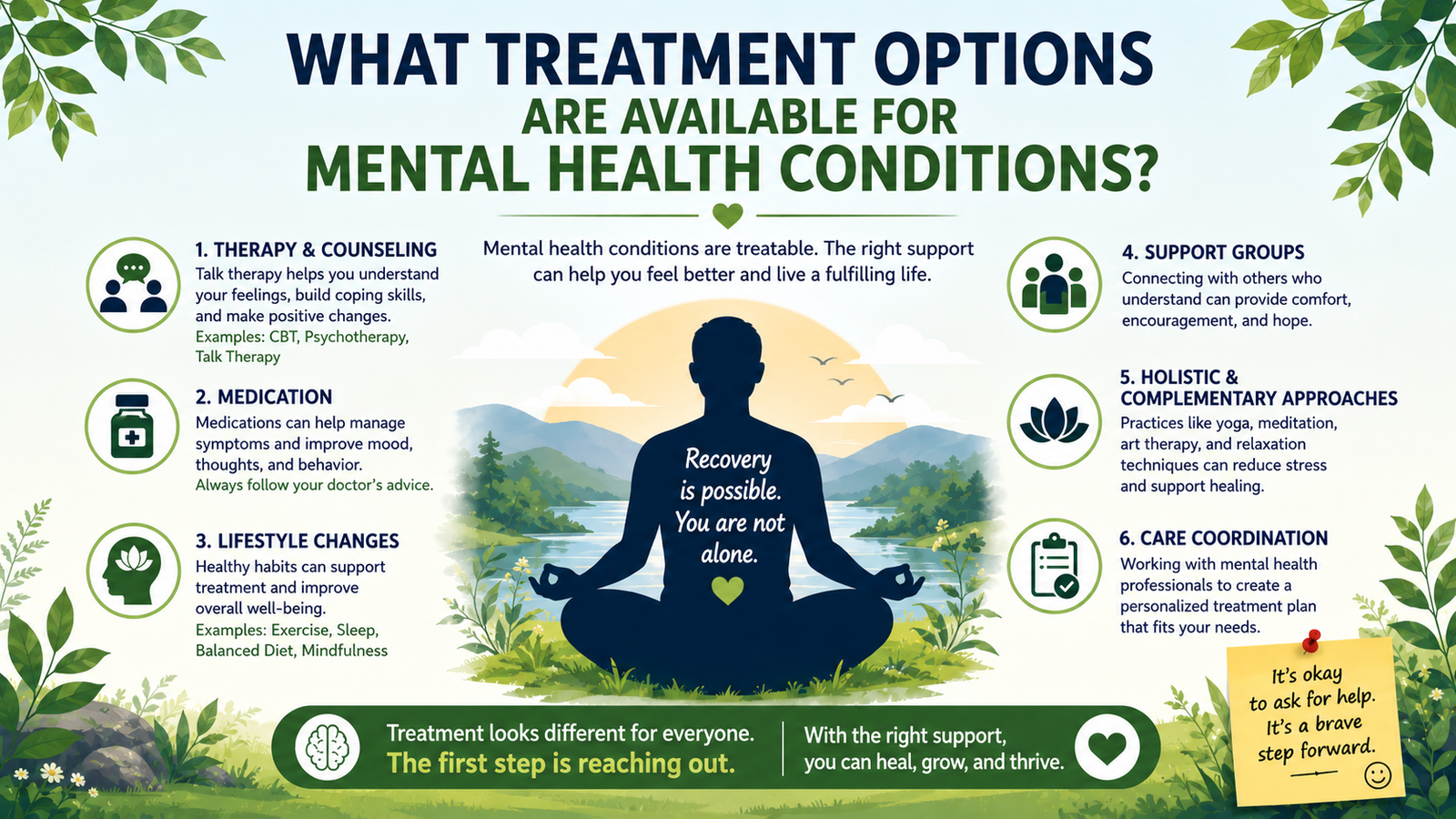
Treatment varies based on individual needs and specific diagnoses.
Common approaches include:
Psychotherapy
Talk therapy helps individuals identify challenges, develop coping skills, and improve emotional resilience.
Medication
Healthcare providers may prescribe medication to help manage symptoms when appropriate.
Lifestyle Modifications
Exercise, nutrition, sleep improvement, and stress management can support treatment success.
Support Groups
Group settings provide emotional support and shared experiences.
Integrated Care
Many healthcare providers combine therapy, medication, and lifestyle interventions for comprehensive treatment.
How Can Families and Communities Support Mental Health?
Families and communities play an essential role in promoting emotional wellness.
Supportive actions include:
- Listening without judgment
- Encouraging professional care when needed
- Learning about mental health conditions
- Creating safe environments for discussion
- Promoting healthy lifestyle habits
- Offering practical support during difficult periods
Schools, workplaces, healthcare organizations, and community groups can also contribute by providing education, resources, and support programs.
Why Is Mental Health Awareness More Important Today?
Modern lifestyles often involve increased stress, social pressures, financial concerns, and constant digital connectivity.
These factors can contribute to emotional strain and mental exhaustion.
Growing awareness helps people recognize challenges earlier and access support before problems become more severe.
It also encourages policymakers, healthcare providers, employers, and educators to prioritize emotional wellness initiatives.
As awareness continues to grow, more individuals gain access to information, resources, and treatment that can improve their lives.
FAQs
What is mental health awareness?
Mental health awareness is the effort to educate people about mental health conditions, emotional wellness, treatment options, and the importance of seeking support when needed.
Why is mental health important?
Mental health affects thinking, emotions, behavior, relationships, productivity, and overall quality of life.
What are common signs of poor mental health?
Common signs include persistent sadness, anxiety, mood changes, sleep problems, social withdrawal, and difficulty concentrating.
Can mental health conditions be treated?
Yes. Many mental health conditions can be effectively managed through therapy, medication, lifestyle changes, and support systems.
How can I improve my mental health naturally?
Regular exercise, healthy eating, quality sleep, stress management, strong social connections, and seeking support when needed can help improve mental health.
Conclusion
Mental health is a fundamental part of overall health and affects every aspect of daily life.
Recognizing warning signs, reducing stigma, seeking professional support when needed, and adopting healthy habits can significantly improve emotional well-being.
Mental health awareness empowers individuals, families, and communities to create supportive environments where people can thrive emotionally, socially, and professionally.
Investing in emotional wellness today can lead to healthier and more fulfilling lives in the future.