

Finding the right psychiatrist in Karachi can be an important step when depression, anxiety, mood changes, sleep problems, addiction, or other mental health concerns begin affecting everyday life.
A psychiatrist is a medical doctor who evaluates mental health conditions and can develop a treatment plan based on a person’s symptoms, medical history, and individual needs.
For people in Karachi, professional psychiatric care may include assessment, diagnosis, medication when appropriate, psychotherapy referrals, behavioral support, and ongoing follow-up.
Mental health treatment is not the same for everyone, so a qualified psychiatrist can help determine which approach is suitable.
Quick answer: A psychiatrist in Karachi can evaluate mental, emotional, and behavioral concerns such as depression, anxiety disorders, bipolar disorder, schizophrenia, sleep problems, addiction, and other psychiatric conditions.
Treatment may involve psychotherapy, medication, lifestyle support, or a combination, depending on the person’s condition and clinical assessment.
What Does a Psychiatrist Do?
A psychiatrist specializes in the medical evaluation and treatment of mental health conditions.
Unlike simply trying to manage symptoms independently, psychiatric care involves looking at the person’s emotional, behavioral, psychological, and sometimes physical health factors.
A psychiatric consultation may include questions about mood, sleep, appetite, concentration, stress, relationships, work or studies, substance use, previous treatment, and other relevant concerns.
The purpose is not simply to give medication. A psychiatrist may determine whether symptoms are related to depression, an anxiety disorder, a mood disorder, a psychotic disorder, addiction, another mental health condition, or sometimes an underlying physical health problem.
Treatment can include psychotherapy, medication, or both. The appropriate approach depends on the person’s symptoms, severity, medical situation, preferences, and response to treatment.
When Should You See a Psychiatrist in Karachi?
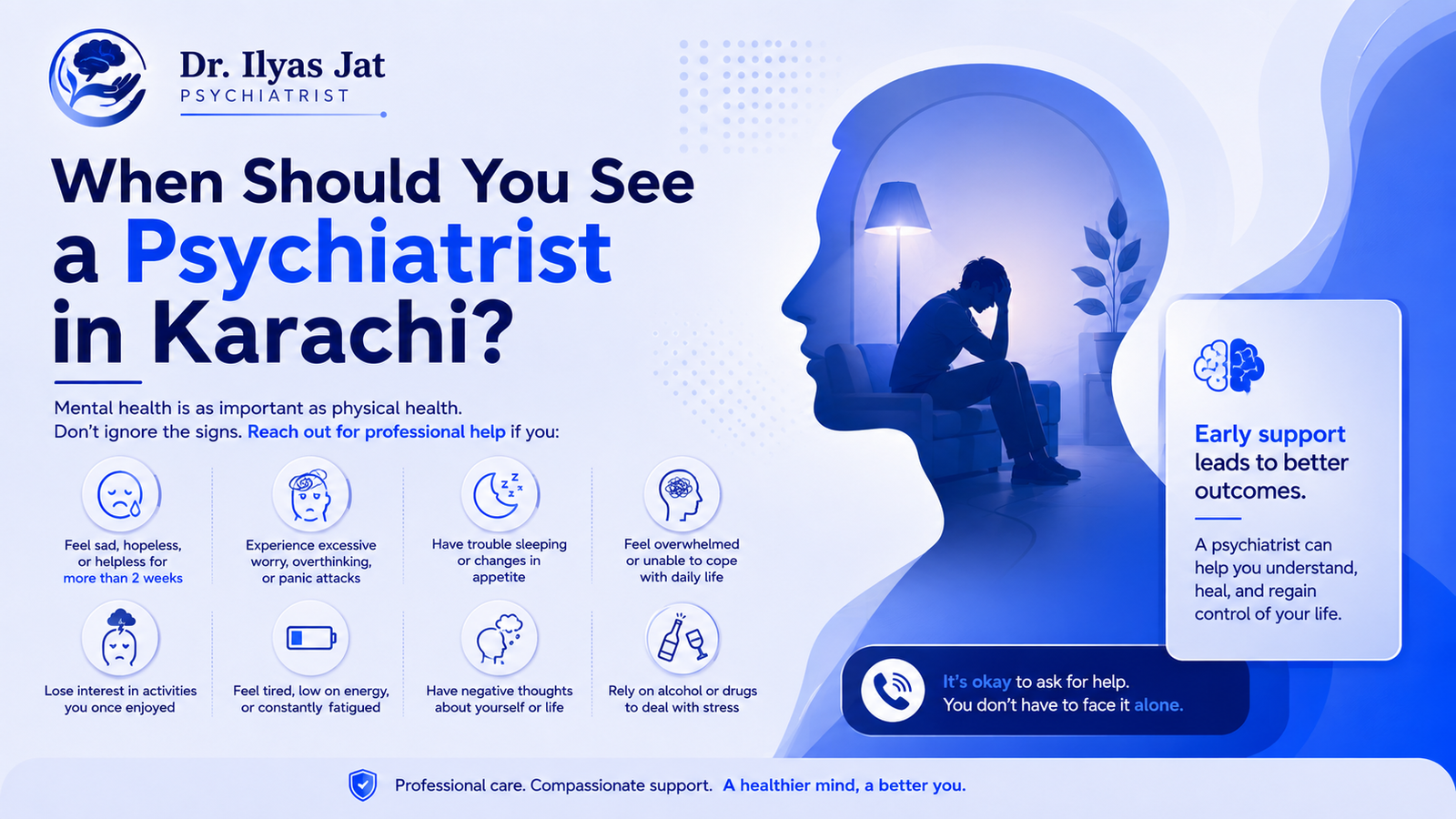
Many people delay professional help because they assume stress, sadness, anxiety, or sleep difficulties will disappear on their own.
Occasional emotional changes are part of life, but persistent symptoms that interfere with daily functioning deserve attention.
You may consider a psychiatric consultation in Karachi if you experience persistent:
- Low mood, loss of interest, or hopelessness
- Excessive worry, fear, panic, or restlessness
- Major changes in sleep or appetite
- Difficulty concentrating or making decisions
- Irritability or significant mood changes
- Social withdrawal or loss of interest in normal activities
- Unusual thoughts, perceptions, or behavior
- Problems related to alcohol or drug use
- Emotional or behavioral difficulties in a child or teenager
These symptoms do not automatically mean that someone has a psychiatric disorder.
A professional assessment is needed to identify the possible cause and determine whether treatment is necessary.
Common Mental Health Conditions Treated by Psychiatrists
Psychiatrists may evaluate and manage a broad range of mental health conditions. The exact services offered can differ between practitioners.
Common concerns include:
Depression
Depression involves more than temporary sadness. It can involve persistent low mood, loss of pleasure or interest, tiredness, sleep or appetite changes, difficulty concentrating, feelings of worthlessness, and hopelessness.
According to the World Health Organization, depressive episodes can affect mood, interest, sleep, appetite, energy, concentration, and self-worth. Effective treatments include psychological interventions and, where appropriate, medication.
Anxiety Disorders
Anxiety becomes a clinical concern when excessive fear or worry persists and interferes with daily activities.
A psychiatrist with an anxiety disorder in Karachi may assess symptoms such as persistent worry, panic attacks, physical tension, restlessness, sleep problems, and difficulty controlling anxious thoughts.
Treatment can include psychotherapy, medication, or a combination. Cognitive behavioral therapy is one evidence-based psychological approach commonly used for generalized anxiety disorder.
Bipolar Disorder
Bipolar disorder involves significant changes in mood, energy, activity, and functioning. Episodes may include depression and periods of unusually elevated or irritable mood.
Because mood changes can have different causes, a proper psychiatric assessment is important before treatment decisions are made.
Schizophrenia and Psychotic Disorders
Psychotic disorders can involve symptoms such as hallucinations, delusions, disorganized thinking, or major changes in behavior and functioning.
These symptoms require professional assessment. Early evaluation can help determine the appropriate treatment and support.
Addiction and Substance Use Disorders
Psychiatrists may also help people experiencing difficulties related to alcohol, drugs, or other addictive behaviors.
Treatment may involve psychiatric assessment, behavioral support, medication when clinically appropriate, family involvement, and referral to specialized addiction services when necessary.
Sleep and Behavioral Problems
Sleep disturbances can occur alongside depression, anxiety, stress, substance use, and other medical or psychiatric conditions.
A psychiatrist can evaluate whether sleep problems are occurring independently or as part of another condition.
Depression Treatment in Karachi
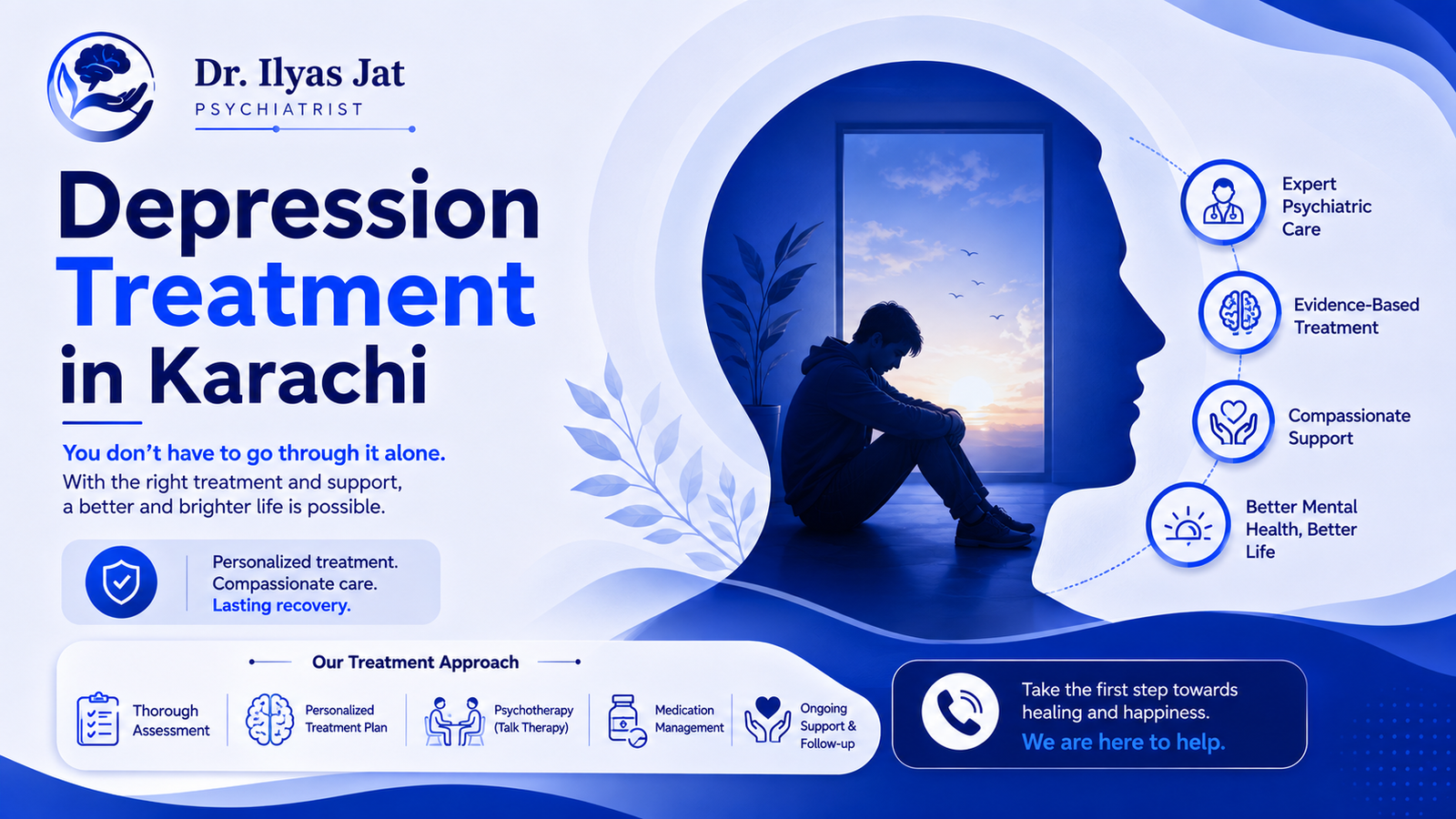
People searching for depression treatment in Karachi should avoid relying on self-diagnosis.
Depression can vary considerably in severity and symptoms, and treatment should be individualized.
Psychological treatment is an important option for depression. Depending on the clinical situation, a healthcare professional may also consider medication.
For moderate or severe depression, medication may be included as part of the initial treatment plan.
Treatment may involve:
- Psychological therapy or psychotherapy
- Medication when clinically appropriate
- Regular psychiatric follow-up
- Sleep and daily routine support
- Physical activity and healthy lifestyle habits
- Support from family or trusted people
- Management of related medical or psychological conditions
There is no single treatment that works in the same way for every person.
A psychiatrist considers the individual’s symptoms, medical history, preferences, and treatment response before adjusting care.
How Is a Psychiatric Consultation Performed?
A first consultation generally focuses on gathering information rather than immediately reaching conclusions.
The psychiatrist may ask about:
- Current symptoms and when they began
- Sleep, appetite, energy, and concentration
- Mood and emotional changes
- Work, education, family, and social functioning
- Previous psychiatric or medical treatment
- Current medications and substance use
- Relevant family medical or psychiatric history
- Any safety concerns or thoughts of self-harm
The doctor may also assess whether physical health issues could be contributing to symptoms.
Some changes in mood or concentration can have medical causes, which is why a healthcare evaluation can be important.
Psychiatrist vs Psychologist: What Is the Difference?
Both psychiatrists and psychologists can play important roles in mental healthcare, but their professional training and responsibilities differ.
Mental Health Professional | Main Role | Common Support |
Psychiatrist | Medical evaluation and psychiatric treatment | Diagnosis, medication when appropriate, and treatment planning |
Psychologist | Psychological assessment and therapy | Psychotherapy, behavioral interventions, psychological assessment |
Therapist/Counselor | Emotional and behavioral support | Counseling and structured therapeutic support |
Primary Care Doctor | General medical assessment | Initial evaluation, physical health assessment, referral when needed |
A psychiatrist and psychologist may work together. Psychotherapy can be provided alongside medication when appropriate, and the treatment plan should reflect the person’s individual medical situation.
Adult & Child Psychiatrist in Karachi
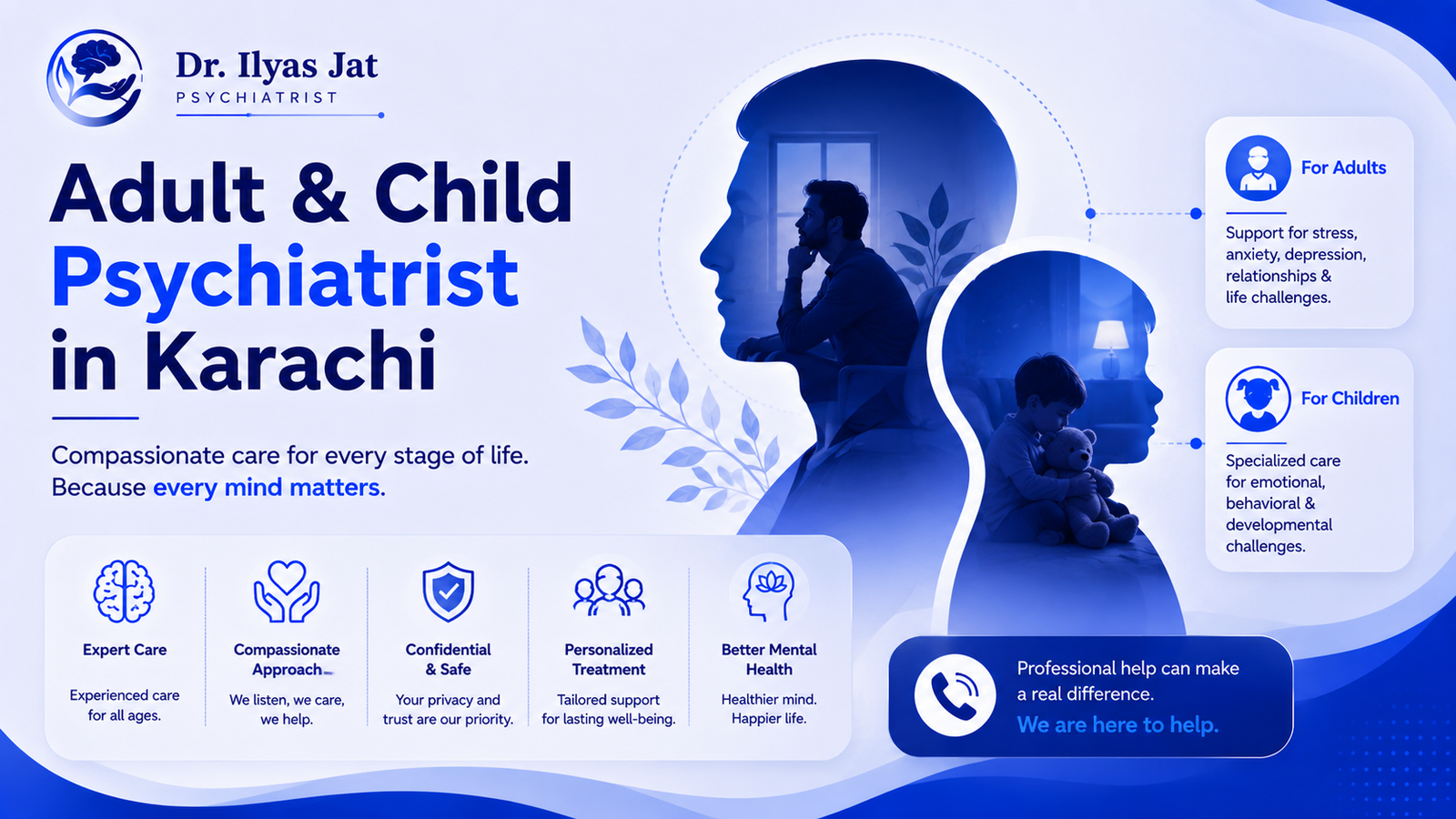
Mental health concerns can affect children, teenagers, and adults, but symptoms can appear differently at different ages.
Children may show emotional or behavioral changes through:
- Difficulty concentrating
- Sudden changes in school performance
- Persistent irritability
- Social withdrawal
- Sleep problems
- Frequent emotional outbursts
- Developmental or behavioral concerns
Adults may seek help for depression, anxiety, mood disorders, addiction, sleep problems, relationship difficulties, work-related stress, or other psychiatric concerns.
Parents should avoid diagnosing a child based solely on online information.
A qualified professional can evaluate the child’s developmental stage, environment, behavior, and medical history before recommending an appropriate course of care.
Dr. Ilyas Jat: Psychiatric Care in Karachi
For readers specifically searching for Dr. Ilyas Jat, publicly available professional sources identify Dr. Muhammad Ilyas Jat as a psychiatrist in Karachi.
The Dow University of Health Sciences lists Dr. Muhammad Ilyas Jat as an Assistant Professor of Psychiatry and records his qualifications as MBBS and FCPS.
The university profile also lists research publications involving psychiatry and mental health topics.
A professional doctor listing also identifies him as a psychiatrist with MBBS and FCPS qualifications and lists Taj Medical Complex in Karachi as one of his practice locations.
His official website describes services including adult psychiatry, child psychiatry, anxiety and related disorders, addiction and related disorders, schizophrenia, bipolar affective disorder, and dementia related disorders.
Because there is no independent universal ranking that objectively establishes one doctor as the Best Doctor in Karachi, it is more responsible to describe Dr. Ilyas Jat as a psychiatrist with publicly listed psychiatric qualifications and academic experience rather than making an absolute ranking claim.
For anyone considering Dr. Ilyas Jat, it is sensible to verify current clinic availability, consultation fees, services, and appointment timings directly before visiting because these details can change.
How to Choose the Right Mental Health Specialist in Karachi
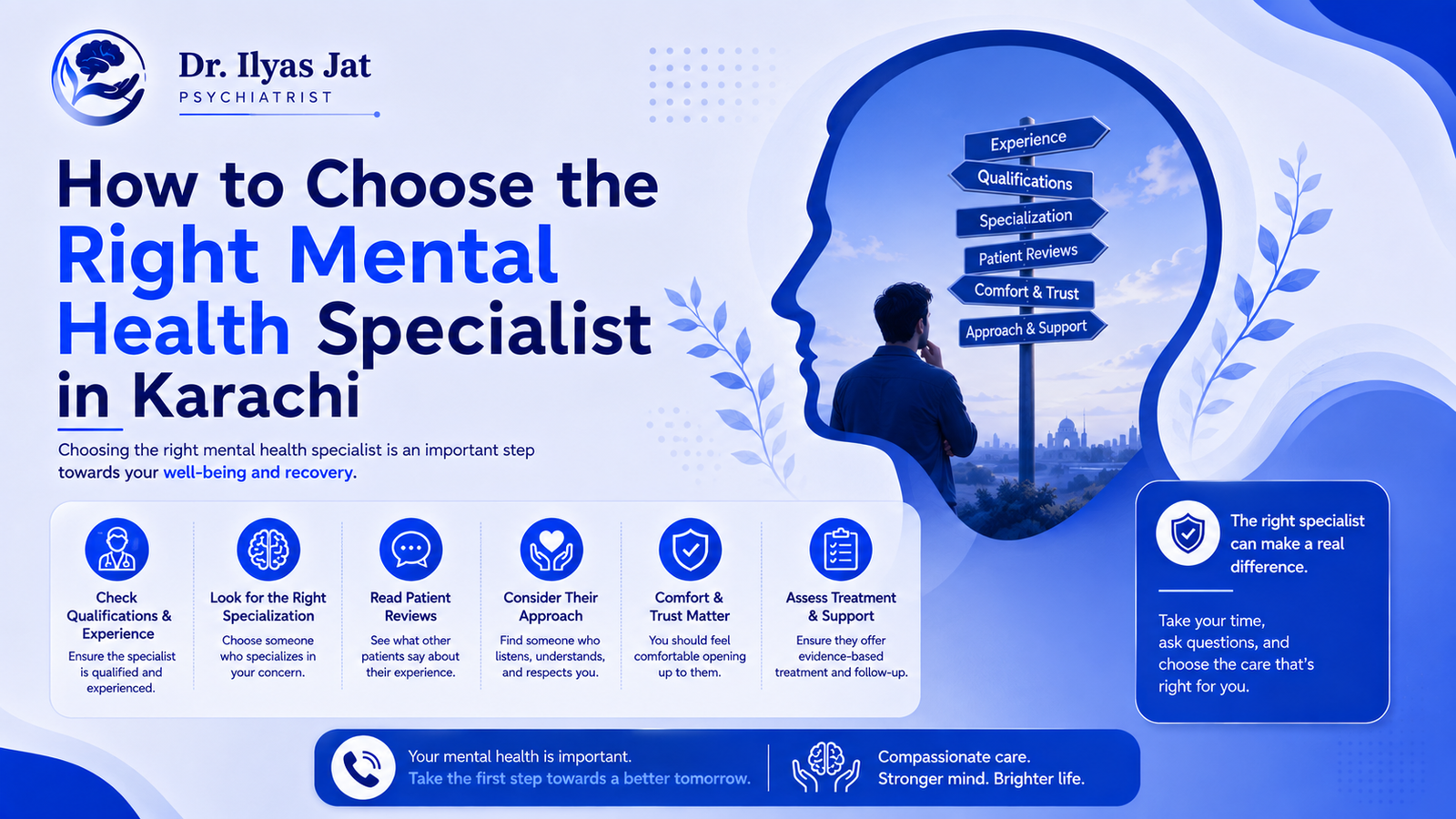
Choosing a Mental Health Specialist in Karachi should involve more than searching for the highest ranking or most repeated online claim.
Consider the following factors:
Check Professional Qualifications
Look for clearly stated medical qualifications and psychiatric specialization. Professional registration and verifiable academic information can also help patients make a more informed decision.
Consider the Specific Concern
A patient experiencing severe anxiety may need a different assessment from someone dealing with addiction, psychosis, childhood behavioral difficulties, or bipolar symptoms.
Choose a professional whose clinical services are relevant to the concern.
Ask About the Treatment Approach
During consultation, patients can ask what treatment options may be appropriate and how follow-up will work.
A good treatment plan should be based on clinical assessment rather than a generic approach.
Consider Accessibility
Location matters when ongoing care is required. A psychiatrist in a convenient Karachi location may make regular follow-up easier.
Patients should also check current appointment availability and consultation arrangements before travelling.
What Happens After Diagnosis?
Treatment does not necessarily end after the first consultation.
Depending on the condition, a psychiatrist may recommend follow-up appointments to monitor symptoms and treatment response.
Some people may benefit from psychotherapy. Others may require medication, while some may need a combination of approaches.
Psychotherapy can help people work on thoughts, emotions, behaviors, coping skills, communication, and other issues affecting their quality of life.
If medication is prescribed, patients should take it exactly as directed by their healthcare professional and should not independently change, stop, or increase medication without medical guidance.
Practical Ways to Support Mental Well-Being
Professional treatment is important when a mental health condition is present, but healthy daily habits can also support overall well-being.
Maintain a regular sleep schedule, stay physically active according to your health status, maintain social connections, and try to create manageable daily routines.
It can also help to discuss emotional difficulties with a trusted person instead of dealing with persistent distress alone.
Lifestyle measures should complement professional treatment rather than replace it when symptoms are significant.
When Is Mental Health Care Urgent?
Some psychiatric symptoms require immediate professional attention.
Seek urgent medical assistance when a person:
- Has thoughts or plans of suicide or self-harm
- May harm another person
- Is severely confused or disconnected from reality
- Experiences severe psychotic symptoms
- Becomes unable to care for basic personal needs
- Experiences a serious psychiatric crisis
If someone is in immediate danger, do not leave them alone. Seek emergency medical assistance or go to the nearest emergency department.
Mental health crises should be treated as genuine health emergencies rather than something a person should simply “control” by willpower.
The WHO recommends seeking help from healthcare professionals when someone experiences depression and emphasizes urgent assistance when there is immediate danger of self-harm.
Common Mistakes to Avoid When Seeking Psychiatric Care
One common mistake is waiting until symptoms become severe before seeking help.
Another is stopping psychiatric medication suddenly because a person feels better. Medication changes should be discussed with the prescribing clinician.
It is also unhelpful to compare one patient’s treatment with another person’s prescription. Psychiatric care is individualized, and the same medication or therapy may not be suitable for everyone.
Finally, avoid relying entirely on online quizzes or social media posts to diagnose depression, anxiety, ADHD, bipolar disorder, or other psychiatric conditions.
Frequently Asked Questions
What does a psychiatrist in Karachi treat?
A psychiatrist may evaluate and manage conditions such as depression, anxiety disorders, bipolar disorder, schizophrenia, addiction, sleep-related concerns, behavioral problems, and other psychiatric conditions. The exact services offered depend on the individual psychiatrist.
When should I see a psychiatrist for anxiety?
Consider professional evaluation when anxiety becomes persistent, difficult to control, causes significant distress, interferes with work or education, affects sleep, or disrupts relationships and everyday activities.
What is included in a psychiatric consultation in Karachi?
A psychiatric consultation generally involves discussing symptoms, medical and psychiatric history, sleep, mood, behavior, medications, substance use, and daily functioning.
The psychiatrist may then recommend further assessment or treatment.
Can depression be treated without medication?
Yes. Psychological treatments can be effective for depression, and medication is not necessary for every person.
The appropriate treatment depends on severity, symptoms, medical circumstances, preferences, and professional evaluation.
Can a psychiatrist treat both adults and children?
Some psychiatrists provide care for both adults and children, while others focus on specific age groups.
Parents should check whether the psychiatrist provides child or adolescent psychiatric services before booking an appointment.
Is a psychiatrist the same as a psychologist?
No. A psychiatrist is a medical doctor specializing in mental health and can provide medical psychiatric treatment, including medication when appropriate.
Psychologists commonly focus on psychological assessment and psychotherapy. The two professionals may work together as part of comprehensive care.
How do I find a good psychiatrist in Karachi?
Look for appropriate psychiatric qualifications, relevant clinical experience, clear treatment information, professional verification, convenient follow-up options, and a consultation approach that addresses your individual concerns.
Avoid choosing a doctor solely because an advertisement calls them the “best.”
Is psychiatric treatment only for severe mental illness?
No. People seek psychiatric help for many concerns, including persistent anxiety, depression, sleep problems, mood changes, addiction, and behavioral difficulties.
Early professional evaluation may help determine whether treatment is needed.
Conclusion
Finding the right psychiatrist in Karachi is an important decision when emotional, behavioral, or psychological symptoms begin affecting daily life.
Depression, anxiety, bipolar disorder, addiction, sleep problems, psychosis, and childhood behavioral concerns can require different forms of evaluation and care.
Psychiatric treatment may include psychotherapy, medication, behavioral support, lifestyle guidance, or a combination of approaches.
The right plan depends on the person’s symptoms, medical history, diagnosis, preferences, and response to treatment.
Dr. Muhammad Ilyas Jat is publicly listed as a psychiatrist in Karachi, with MBBS and FCPS qualifications, and the Dow University of Health Sciences identifies him as an Assistant Professor of Psychiatry.
Patients considering his services should verify current practice details and appointment availability before visiting. Most importantly, seeking psychiatric care is a legitimate healthcare decision.
If persistent depression, anxiety, severe mood changes, addiction, behavioral problems, or other mental health symptoms are affecting life in Karachi or elsewhere in Pakistan, a qualified healthcare professional can help determine the next appropriate step.