

Feeling worried, restless, overwhelmed, or constantly alert can make everyday life feel exhausting.
Many people experience anxiety from time to time, but when fear and stress start affecting work, relationships, sleep, or daily activities, professional support can make a major difference.
An anxiety specialist helps people manage excessive worry, panic symptoms, fears, and emotional challenges through evidence-based approaches.
These professionals provide guidance, assessment, and treatment strategies designed around each person’s unique needs.
Anxiety is one of the most common mental health concerns worldwide. According to the World Health Organization (WHO), anxiety disorders affect millions of people and can impact quality of life when left untreated.
The good news is that anxiety conditions are highly manageable with proper care, therapy, lifestyle improvements, and professional support.
Many people delay seeking help because they believe anxiety is something they should handle alone.
However, reaching out to a qualified mental health professional is a practical step toward improving emotional balance and overall wellbeing.
This guide explains what an anxiety specialist does, when to seek help, available treatments, benefits, and how to choose the right professional for your needs.
What Does an Anxiety Specialist Do?
An anxiety specialist is a mental health professional who focuses on diagnosing, treating, and managing anxiety-related conditions.
They help individuals identify emotional triggers, develop coping skills, and create healthier thought patterns.
These specialists may include:
- Psychiatrists
- Clinical psychologists
- Licensed therapists
- Mental health counselors
- Cognitive behavioral therapy (CBT) specialists
A psychiatrist, such as a mental health physician trained in diagnosing disorders and prescribing medication, may help people with severe anxiety symptoms.
A psychologist or therapist often focuses on behavioral techniques, emotional regulation, and therapy sessions.
An anxiety specialist typically helps with conditions such as:
- Generalized anxiety disorder (GAD)
- Panic disorder
- Social anxiety disorder
- Specific phobias
- Health anxiety
- Stress-related anxiety
- Anxiety linked with trauma
Their role is not only to reduce symptoms but also to help people build long-term strategies for managing stress and emotions.
How Can an Anxiety Specialist Help With Anxiety Problems?
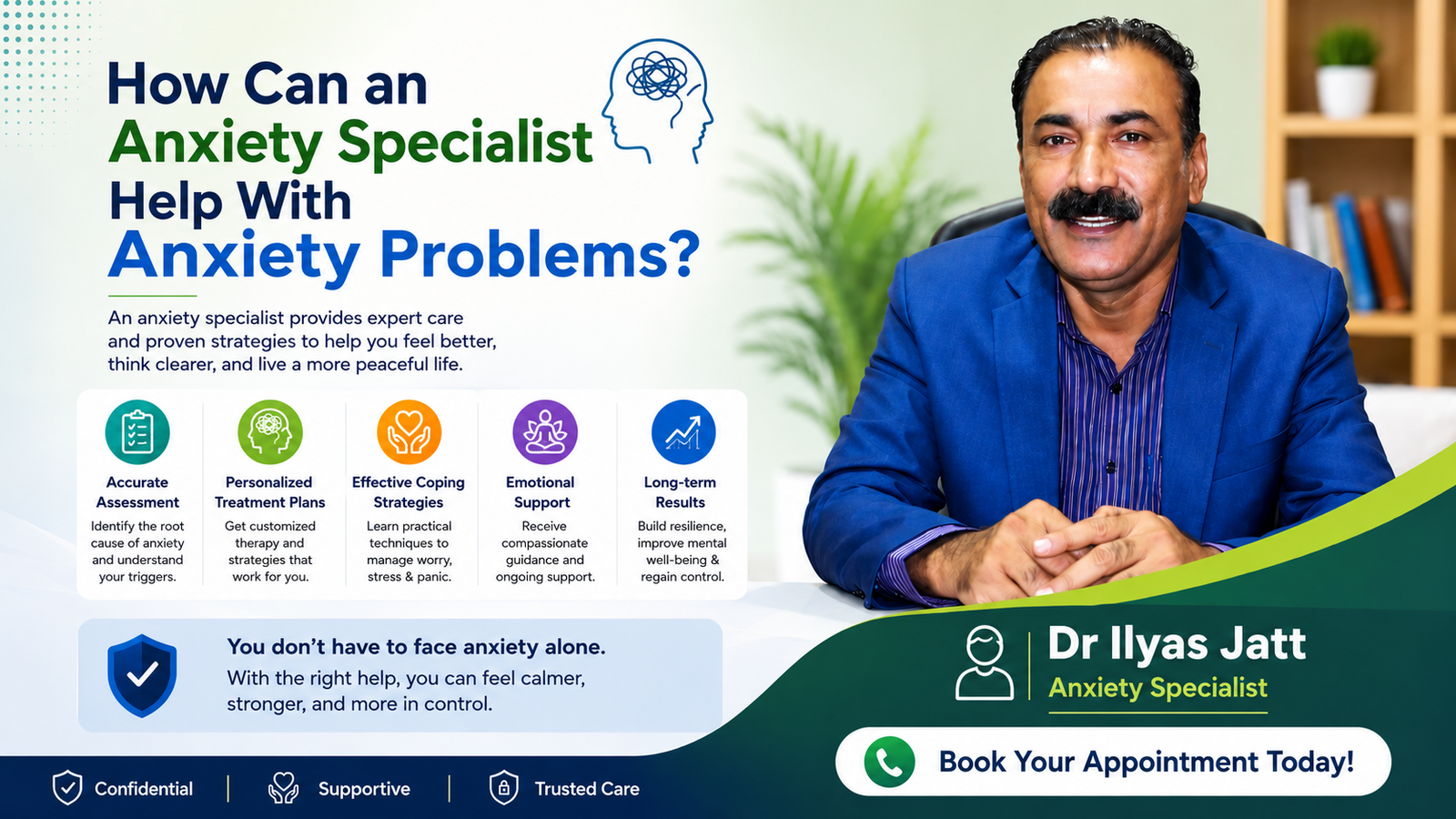
Anxiety specialists use structured methods to identify what triggers anxiety and how it affects thoughts, emotions, and behaviors.
The process usually includes:
1. Mental Health Assessment
The specialist discusses symptoms, lifestyle factors, personal history, and emotional challenges. This helps create a clear picture of the problem.
For example, someone experiencing constant worry about work performance may discover that perfectionism, fear of failure, or past experiences contribute to anxiety.
2. Personalized Treatment Planning
Every person experiences anxiety differently. A specialist creates a treatment approach based on:
- Severity of symptoms
- Personal goals
- Daily challenges
- Previous mental health experiences
3. Teaching Coping Skills
Many specialists teach practical techniques such as:
- Breathing exercises
- Stress management methods
- Relaxation strategies
- Problem-solving skills
- Emotional regulation techniques
These tools help individuals respond to anxiety more effectively.
When Should You See an Anxiety Specialist?
Many people wonder when normal stress becomes a reason to seek professional help.
Consider consulting a specialist if anxiety:
- Feels uncontrollable
- Happens frequently without a clear reason
- Interrupts sleep
- Affects relationships
- Makes work or studies difficult
- Causes panic attacks
- Leads to avoiding normal activities
Common signs that professional support may help include:
- Constant overthinking
- Racing thoughts
- Feeling nervous most of the time
- Rapid heartbeat during stressful moments
- Difficulty concentrating
- Excessive fear about everyday situations
For example, a person may avoid social events because of fear of judgment. Over time, this avoidance can increase anxiety. Professional therapy can help break this cycle.
What Treatments Does an Anxiety Specialist Recommend?
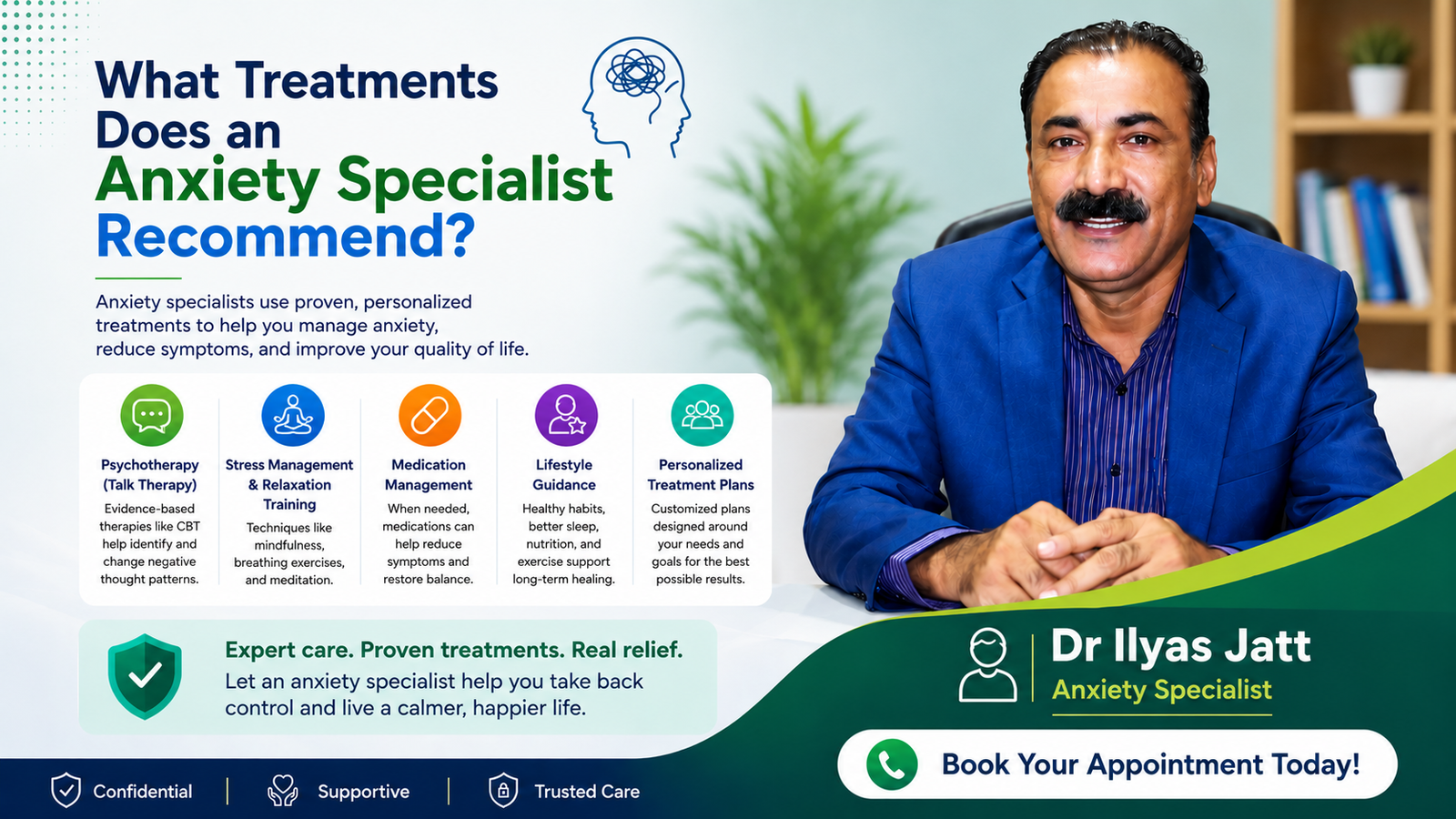
Treatment depends on the person’s symptoms and needs. A qualified professional may recommend one or more approaches.
Cognitive Behavioral Therapy (CBT)
CBT is one of the most widely researched therapies for anxiety. It helps people recognize negative thought patterns and replace them with healthier perspectives.
Example:
An anxious thought:
“I will definitely fail.”
CBT helps create a balanced thought:
“I may face challenges, but I can prepare and handle them.”
Medication Support
For some individuals, medication may be recommended by a psychiatrist.
Medicines can help manage severe symptoms and are usually combined with therapy for better results.
Medication decisions should always be made with a qualified healthcare provider.
Lifestyle-Based Support
Specialists often recommend improvements such as:
- Regular physical activity
- Better sleep habits
- Reduced caffeine intake
- Mindfulness practices
- Healthy daily routines
These changes support emotional health alongside professional treatment.
What Are the Benefits of Working With an Anxiety Specialist?
Seeking professional support can provide several benefits, including:
Benefit | How It Helps |
Better symptom control | Reduces overwhelming anxiety reactions |
Improved confidence | Builds emotional strength and coping skills |
Healthier thinking patterns | Helps manage negative thoughts |
Better relationships | Improves communication and emotional balance |
Improved daily functioning | Makes work and personal activities easier |
Professional guidance also helps prevent anxiety from becoming a long-term barrier to personal growth.
How Do You Choose the Right Anxiety Specialist?
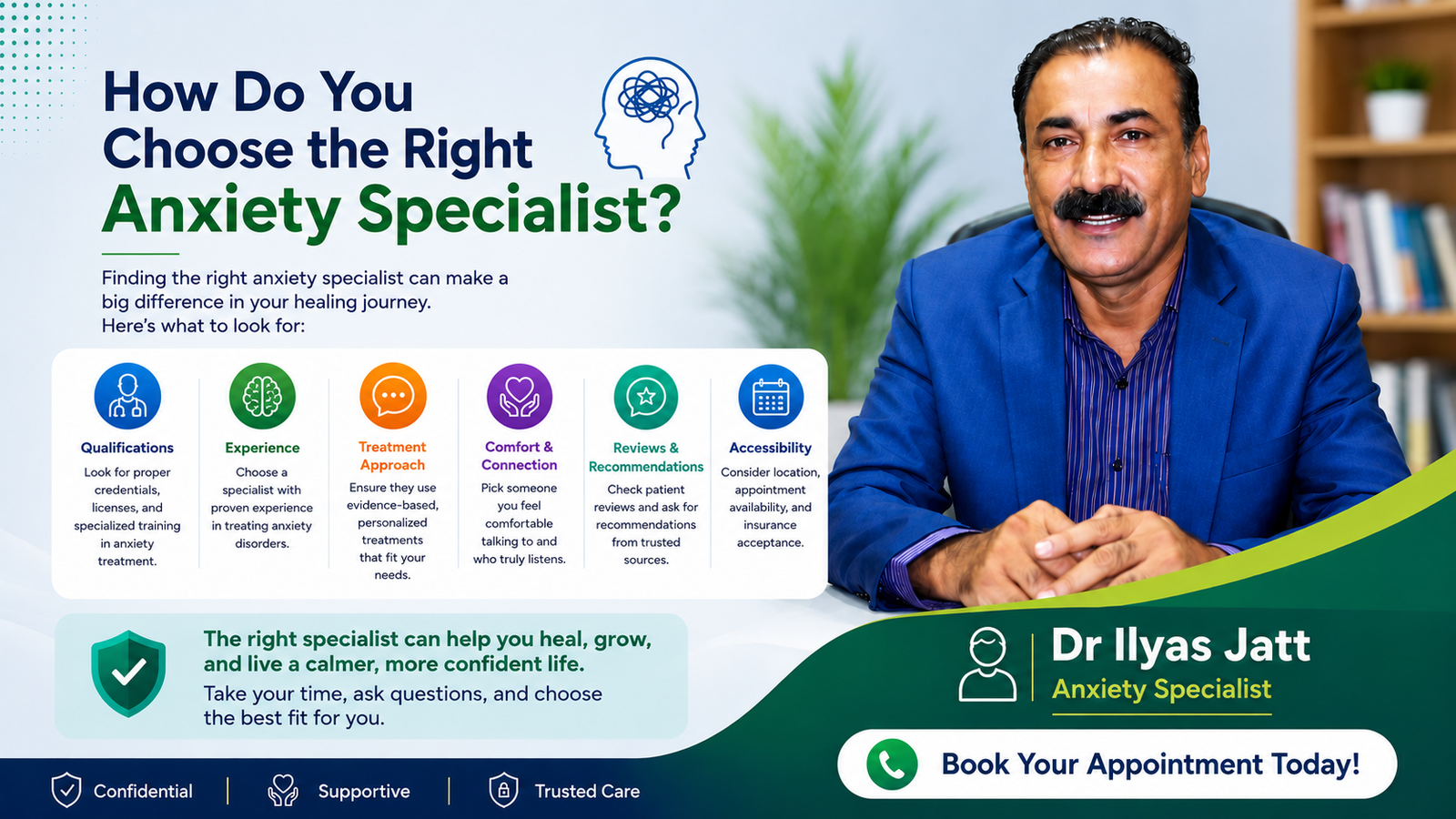
Finding the right professional is an important step in recovery. A good specialist should make you feel comfortable, respected, and supported.
Consider these factors:
Check Qualifications
Look for professionals with recognized training in:
- Psychology
- Psychiatry
- Counseling
- Anxiety treatment methods
Consider Experience
A specialist who regularly works with anxiety-related concerns may better understand common challenges and effective treatment approaches.
Evaluate Communication Style
A strong therapist-client relationship improves treatment outcomes. Choose someone who listens carefully and explains things clearly.
Ask About Treatment Approach
You can ask:
- What therapy methods do you use?
- How do you measure progress?
- What can I expect during sessions?
What Is the Difference Between an Anxiety Specialist and a General Therapist?
A general therapist may support many emotional concerns, while an anxiety specialist focuses more deeply on anxiety-related conditions.
General Therapist | Anxiety Specialist |
Handles various emotional concerns | Focuses strongly on anxiety disorders |
Provides general counseling | Uses anxiety-specific techniques |
May treat stress and relationship issues | Often treats panic, fears, and chronic worry |
Both can provide valuable support, but people with severe or persistent anxiety may benefit from someone with specialized experience.
Can Anxiety Be Managed Without Professional Help?
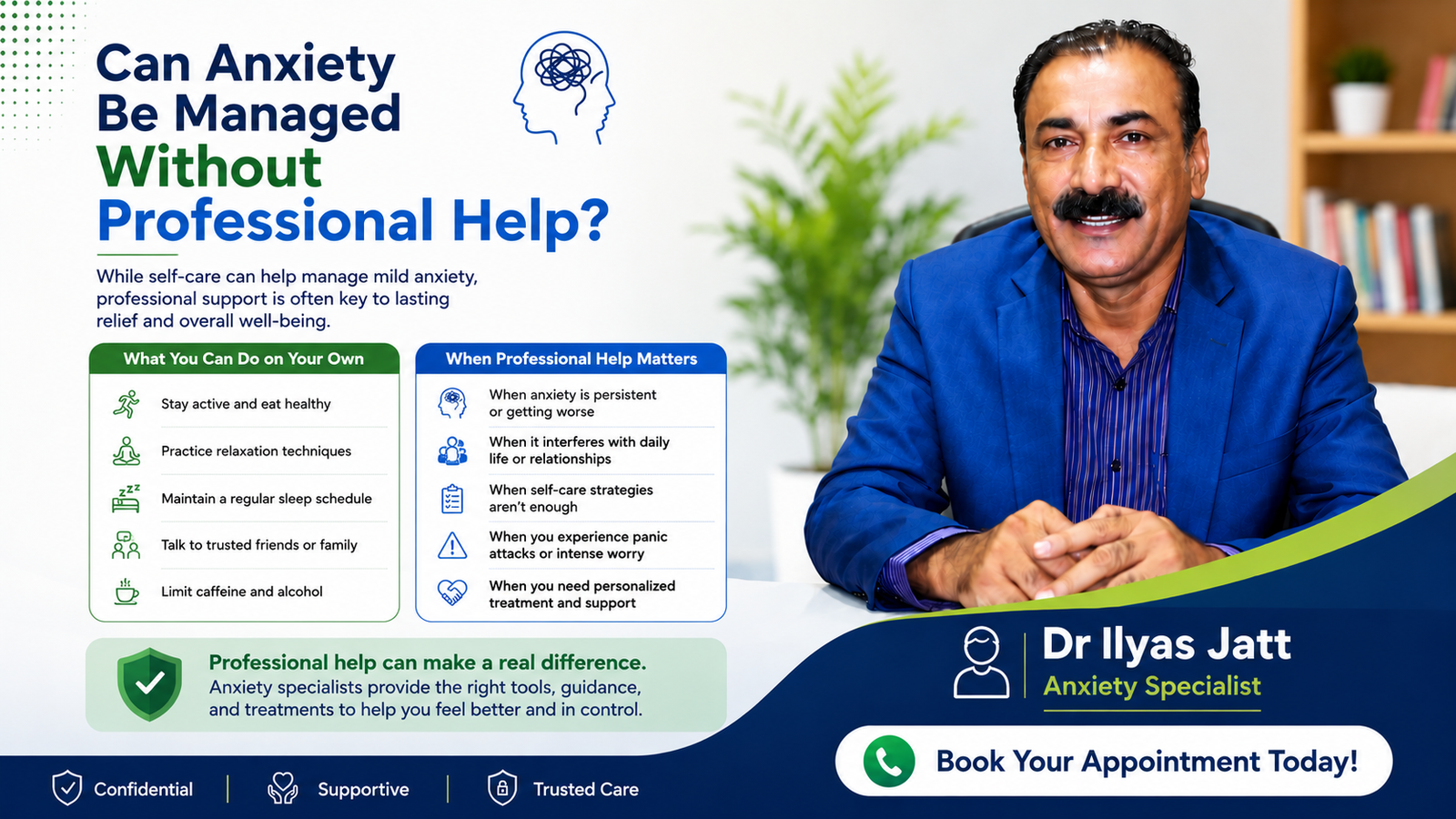
Mild anxiety may improve through healthy habits and self-care practices. However, persistent or intense anxiety often requires professional guidance.
Helpful habits include:
- Maintaining a consistent sleep schedule
- Practicing relaxation exercises
- Staying physically active
- Limiting excessive caffeine
- Spending time with supportive people
Self-care supports recovery, but it should not replace professional treatment when anxiety significantly affects life.
What Mistakes Should People Avoid When Dealing With Anxiety?
Many people accidentally make anxiety worse by using unhealthy coping methods.
Common mistakes include:
- Ignoring symptoms for years
- Avoiding feared situations completely
- Depending only on distractions
- Searching endlessly for reassurance online
- Isolating themselves
Instead, experts recommend gradual progress, healthy coping strategies, and professional guidance when needed.
How Can You Prepare for Your First Appointment With an Anxiety Specialist?
A first appointment can feel uncomfortable, but preparation makes it easier.
Before your session:
- Write down your symptoms
- Note when anxiety started
- Mention situations that trigger anxiety
- List any lifestyle changes
- Prepare questions you want to ask
Remember that the purpose of the appointment is support, not judgment.
What Questions Should You Ask an Anxiety Specialist?
Useful questions include:
- What type of anxiety might I be experiencing?
- Which treatment options are available?
- How long does therapy usually take?
- What techniques can I practice at home?
- How will we track improvement?
Open communication helps create a successful treatment experience.
FAQs
What is an anxiety specialist?
An anxiety specialist is a trained mental health professional who helps diagnose and treat anxiety-related conditions using therapy, coping strategies, and other evidence-based methods.
Can an anxiety specialist cure anxiety permanently?
Anxiety management focuses on reducing symptoms and improving quality of life. Many people learn effective skills that help them manage anxiety long term.
Should I see a psychologist or psychiatrist for anxiety?
A psychologist often provides therapy, while a psychiatrist can diagnose mental health conditions and prescribe medication when needed. The right choice depends on your symptoms.
How many therapy sessions are needed for anxiety?
The number of sessions varies depending on anxiety severity, treatment approach, and personal progress. Some people notice improvement quickly, while others need longer support.
Is anxiety a normal feeling or a mental health problem?
Occasional anxiety is a normal human response to stress. It becomes a concern when it is excessive, persistent, or interferes with everyday life.
Conclusion
Anxiety can affect thoughts, emotions, relationships, and daily life, but professional support can help people regain control.
An anxiety specialist provides expert guidance, practical coping strategies, and personalized treatment options to manage anxiety effectively.
Seeking help is a positive step toward better mental health.
Whether symptoms are mild or severe, the right professional can help you develop skills, confidence, and healthier ways to handle life’s challenges.
If anxiety feels overwhelming or starts interfering with your routine, connecting with a qualified specialist can be the beginning of meaningful improvement.