

Are you stressed, anxious, emotionally exhausted, or mentally weary, but do not know where to get help?
A lot of individuals silently live with hurting hearts as they strive to cope with their daily lives. They do not feel bad; they smile outside and feel overwhelmed inside.
Sleep, relationships, work performance, confidence, and physical health can be impacted by mental health issues. If stress persists excessively, it may develop into anxiety, depression, panic, or emotional burnout.
The delay in treatment is because many think that their feelings are temporary or are afraid of being judged. Professional guidance can ensure that a Psychologist is able to help you comprehend emotions, handle stress, and enhance your mental state.
A good move towards a healthier life is to seek support. This comprehensive guide will teach you what psychologists are, what they treat, treatment choices, and how a professional can assist you in feeling better.
What Does a Psychologist Do?
A Psychologist assists individuals with emotional, behavioral, and mental health issues.
They are good listeners and evaluators, and they offer therapy depending on the needs of the individuals.
They assist patients in acquiring coping mechanisms, better ways of thinking, and ways of dealing with challenging emotions.
They aim at enhancing mental balance and everyday functioning. There are a lot of reasons why mental health issues may arise.
What Problems Can a Psychologist Treat?
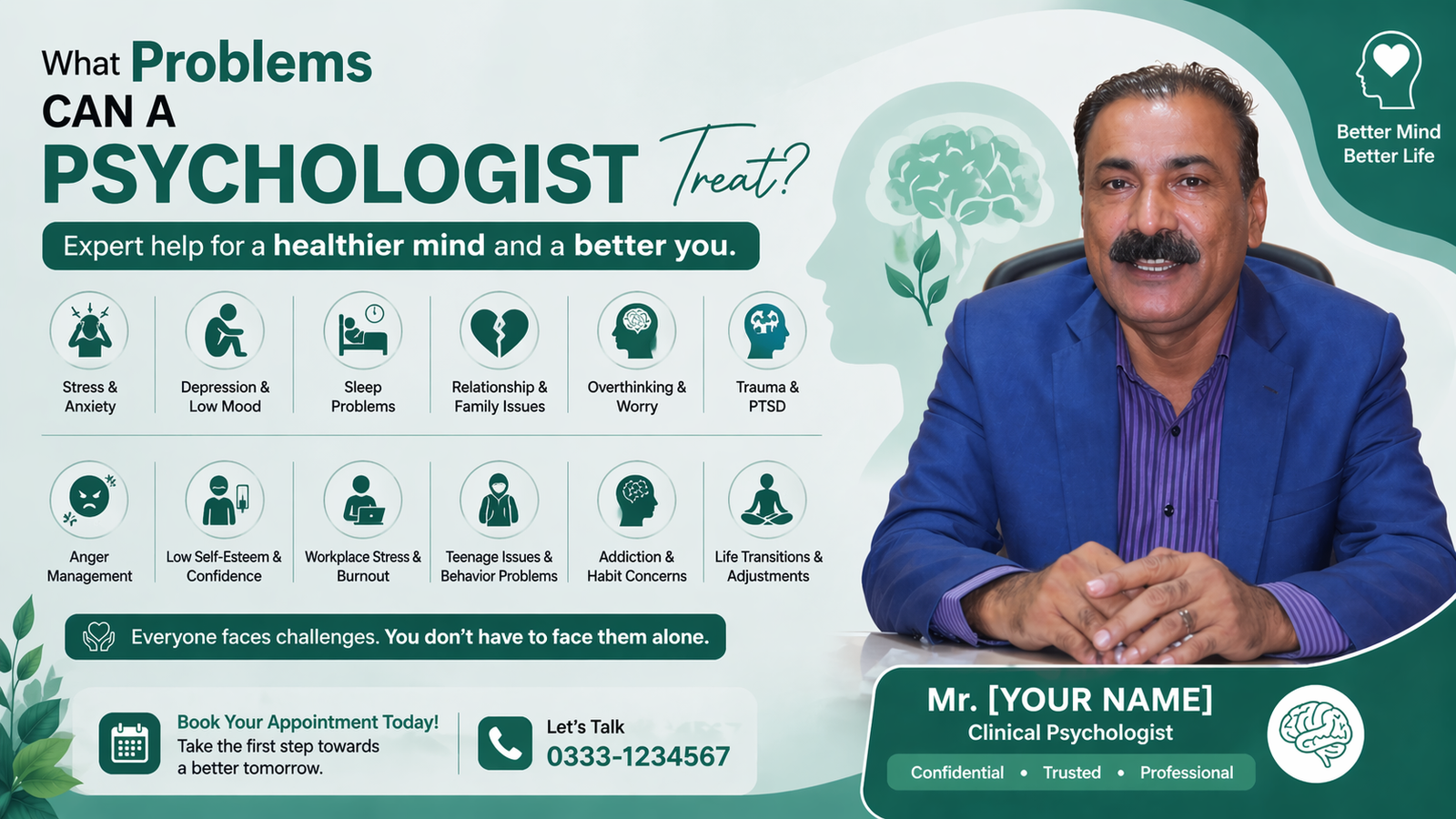
Psychologists treat many emotional and behavioral issues. Common concerns include stress, anxiety, depression, panic attacks, trauma, anger issues, and grief.
They also help with relationship problems, low confidence, and work stress. Children and teenagers may receive support for behavior or learning-related challenges.
What Causes Mental Health Problems?
Emotional balance may be affected by long-term stress. Distress may be created by family conflict, trauma, loss, or problems in relationships.
Anxiety can be augmented by workload and economic concerns. It might also depend on biological factors and previous experiences. This knowledge of the cause assists in treatment.
What Symptoms Should You Not Ignore?
Your mind gives warning signs just like your body. Common symptoms include sadness, worry, irritability, sleep problems, low energy, and loss of interest in daily life.
Some people feel hopeless or unable to focus. Others may avoid people or experience panic. Ignoring these symptoms can make recovery harder.
Why Is Early Mental Health Support Important?
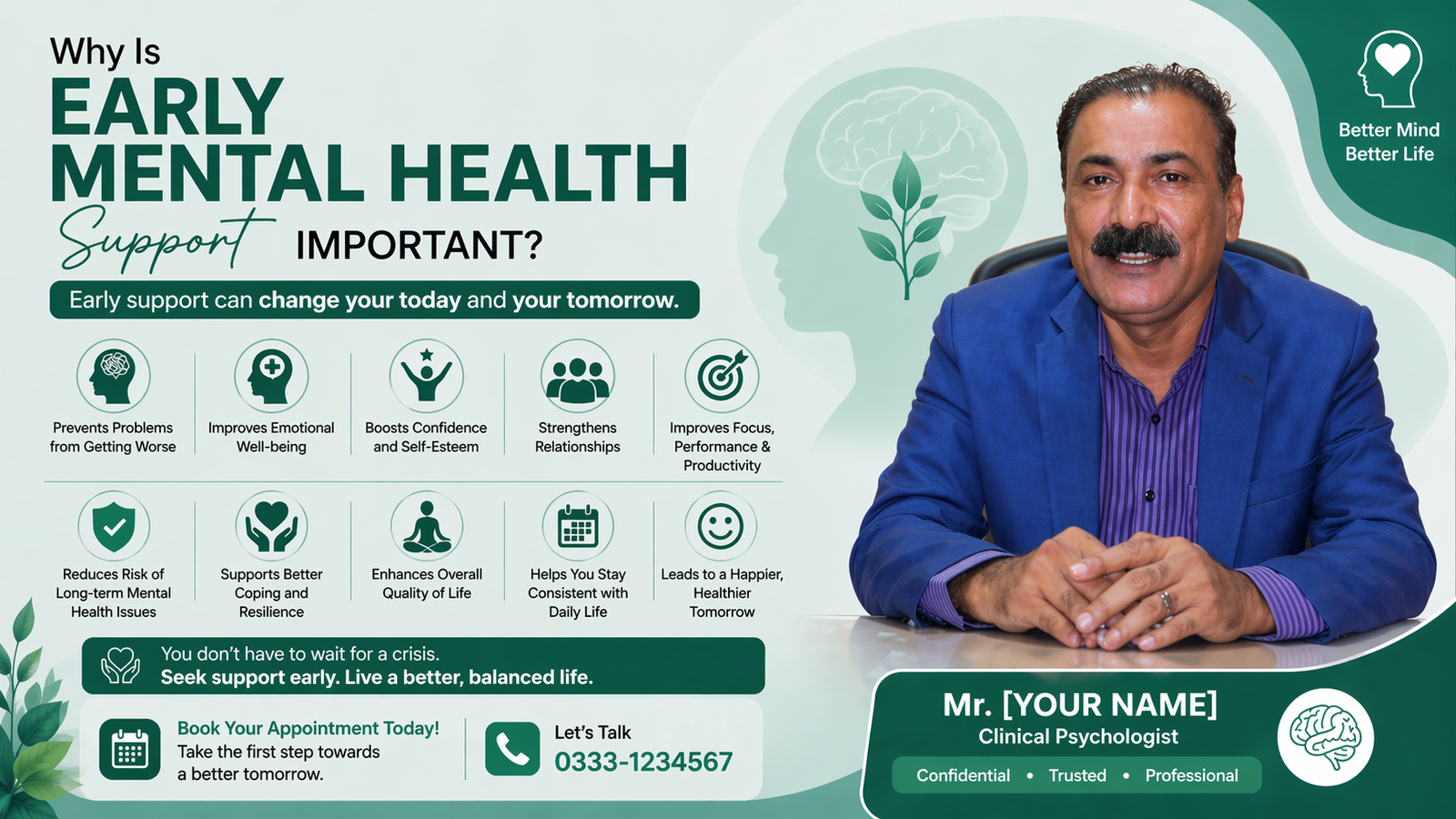
Problems can be avoided when they are tackled early. Healing can be quicker when the emotional struggles are dealt with at an early stage.
Delays may cause stress and affect work, family, and health. Before the problem gets out of control, a Psychologist can be of assistance.
How Does a Psychologist Assess Problems?
The process usually begins with a conversation. The psychologist asks about symptoms, life events, thoughts, emotions, and habits.
They may use professional tools or questionnaires. This helps create a treatment plan suited to the person.
What Therapy Methods Are Commonly Used?
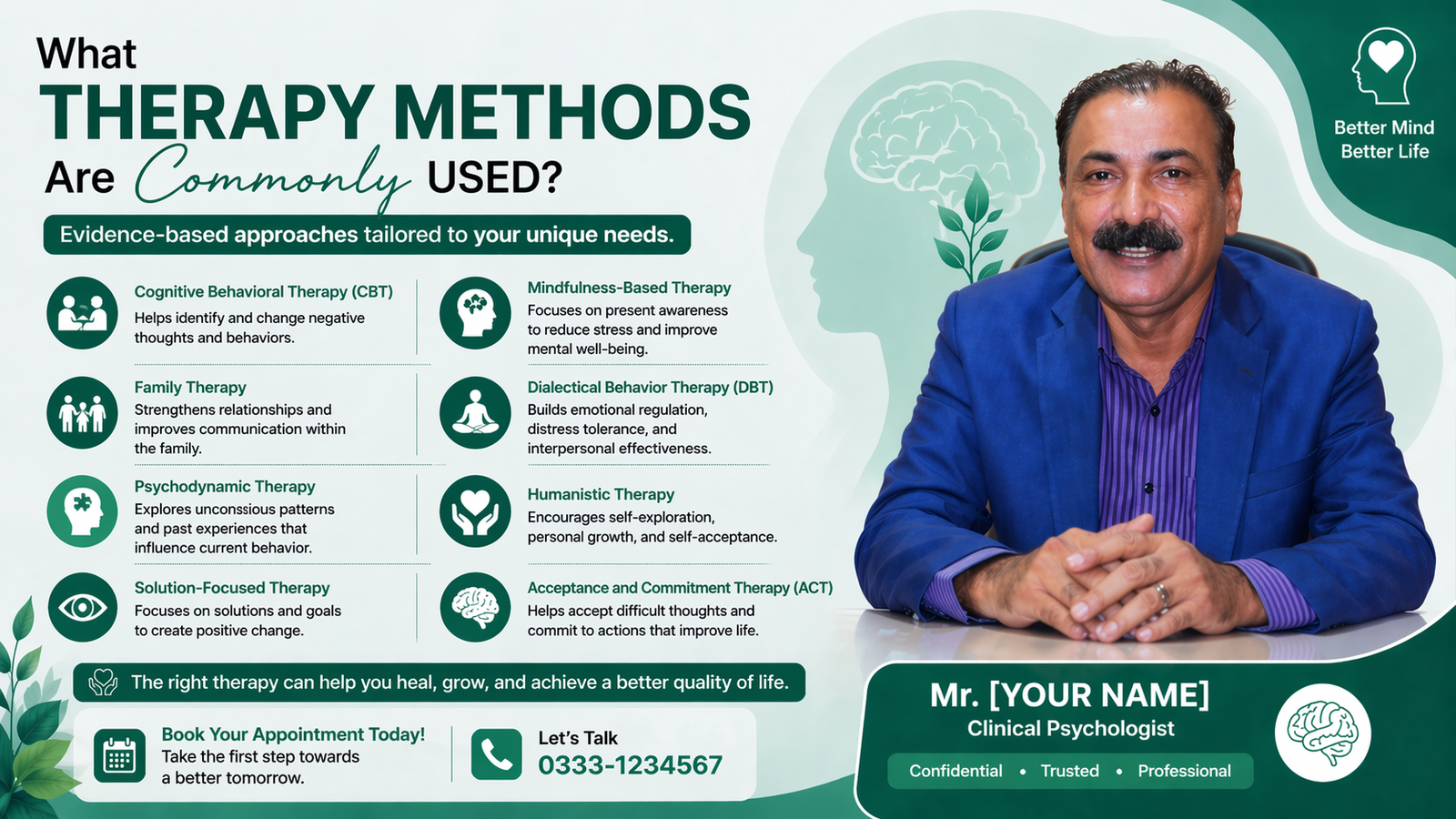
Psychologists use evidence-based therapy methods. Talk therapy helps individuals explore their feelings and patterns of behavior.
Cognitive therapy contributes to the alteration in negative thinking. Behavior therapy promotes healthy behaviors.
Anxiety and stress can be minimized with relaxation techniques. The treatment relies on the needs of each individual.
How Can Therapy Improve Daily Life?
Therapy can improve many parts of life. It helps manage emotions healthily. It can improve sleep, focus, and confidence.
Many people learn better communication and stress management. With time, relationships and work performance may improve.
What Lifestyle Habits Support Mental Health?
Healthy practices promote emotional health. Normal sleep aids mood stability. Exercise can decrease stress and boost energy.
Healthy eating is beneficial to the brain. It can be beneficial to limit the stress on the screen and take breaks. It is also good to talk to supportive people.
When Should You Visit a Psychologist?
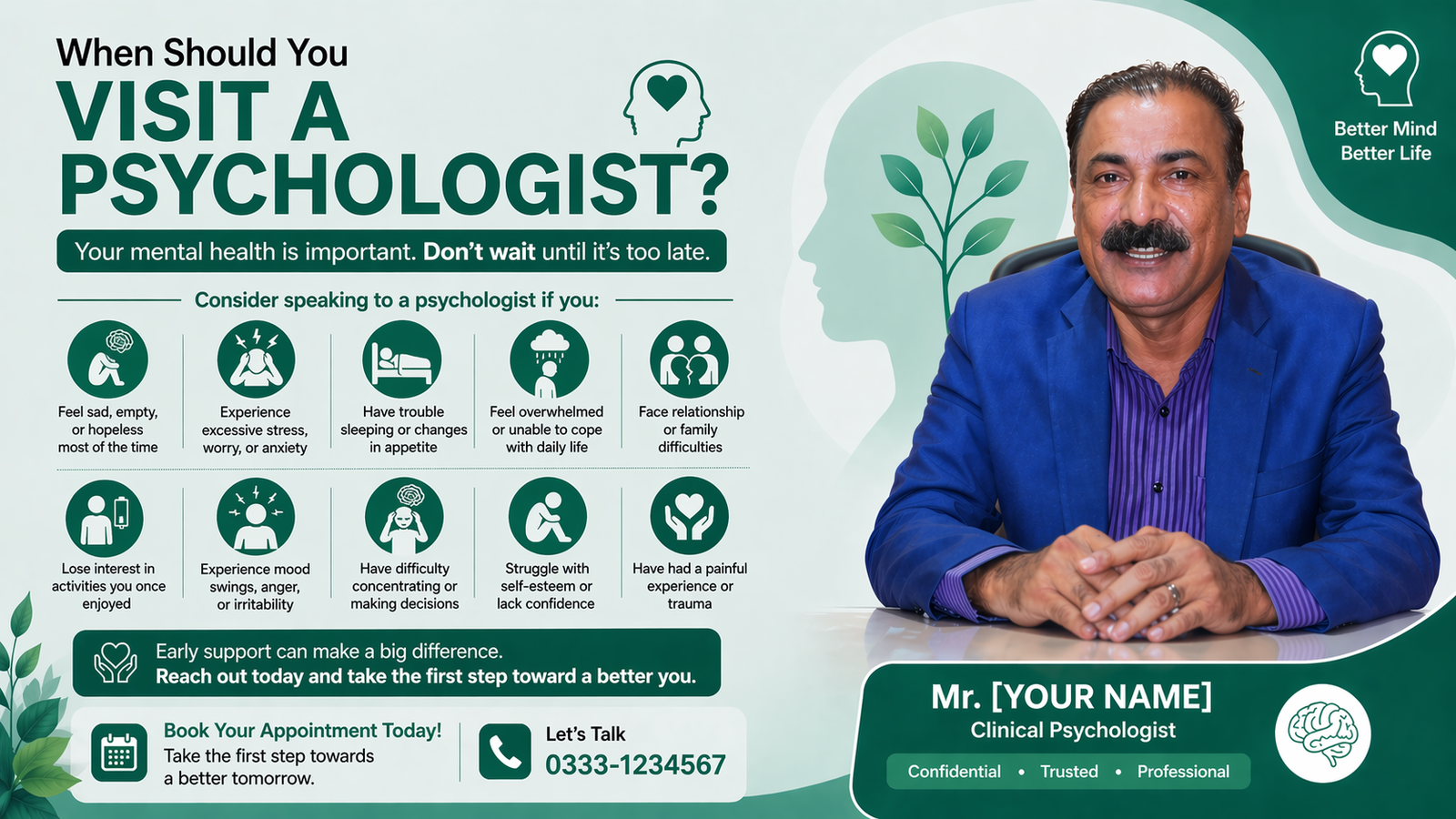
You should seek help when emotional pain lasts for weeks. If stress affects sleep, work, or relationships, support is important.
If anxiety or sadness feels hard to control, do not wait. Therapy is also useful during life changes or grief.
Can Mental Health Problems Be Prevented?
Not everything can be avoided, but a large number of problems can be mitigated. Stress management assists in safeguarding psychological welfare.
Risk reduction is through healthy practices and social support. Small problems can be prevented with early counseling. Regular self-care is important.
Why Is Ongoing Support Important?
Some challenges need time to heal.Regular sessions help track progress and build new skills.Ongoing support creates lasting emotional strength.A Psychologist can guide recovery step by step.
Frequently Asked Questions
What does a psychologist do?
They help manage emotional, behavioral, and mental health issues.
Is therapy only for severe problems?
No, therapy helps with mild stress to serious mental health concerns.
How long does therapy take?
It depends on the issue and personal goals.
Is talking to a psychologist confidential?
In most cases, privacy is protected by professional ethics and laws.
Can therapy really help anxiety?
Yes, many people improve significantly with proper therapy.
Conclusion
Mental health influences all aspects of life. Stress, anxiety, or sadness can be ignored, but they may complicate everyday life. The choice to seek help is good and effective.
Seeking Psychologist assistance, you have a chance to be professionally assisted, to be taught healthy coping skills, and to become emotionally healthy. A healthier and calmer life can be achieved with the correct assistance and regular support.