

Life can become overwhelming when stress, anxiety, emotional struggles, or personal challenges begin affecting daily activities.
Many people try to handle these difficulties alone, hoping things will improve with time.
Unfortunately, untreated emotional concerns often become more difficult to manage and can affect relationships, work performance, physical health, and overall quality of life.
This is where a mental health therapist can make a significant difference. Professional therapy offers a safe space for exploring emotions, developing healthy coping skills, and working toward meaningful personal growth.
Whether someone faces anxiety, depression, trauma, relationship issues, grief, or everyday stress, therapy can provide practical tools and expert guidance.
This article explains what therapy involves, how therapists help, what treatment options are available, and how to choose the right professional for your needs.
What Does a Mental Health Therapist Do?

A therapist is a trained professional who helps people manage emotional, behavioral, and psychological challenges.
Their role involves listening, assessing concerns, identifying patterns, and providing evidence-based strategies to improve mental wellbeing.
Therapists work with individuals, couples, families, and groups. They help clients address concerns such as:
- Anxiety disorders
- Depression
- Stress management
- Trauma and post traumatic stress
- Relationship difficulties
- Grief and loss
- Self-esteem issues
- Anger management
- Workplace stress
- Life transitions
Rather than giving direct solutions, therapists guide clients toward healthier ways of thinking, feeling, and responding to challenges.
Why Do People Seek Therapy?
People seek therapy for many reasons. Some face serious mental health conditions, while others simply want support during difficult periods of life.
Common reasons include:
- Persistent sadness or low mood
- Excessive worry or fear
- Difficulty managing stress
- Problems in relationships
- Family conflicts
- Emotional exhaustion
- Loss of motivation
- Trauma recovery
- Major life changes
- Improving personal growth
Seeking professional help does not indicate weakness. In reality, recognizing the need for support often demonstrates self-awareness and emotional strength.
How Can a Mental Health Therapist Help With Anxiety and Stress?
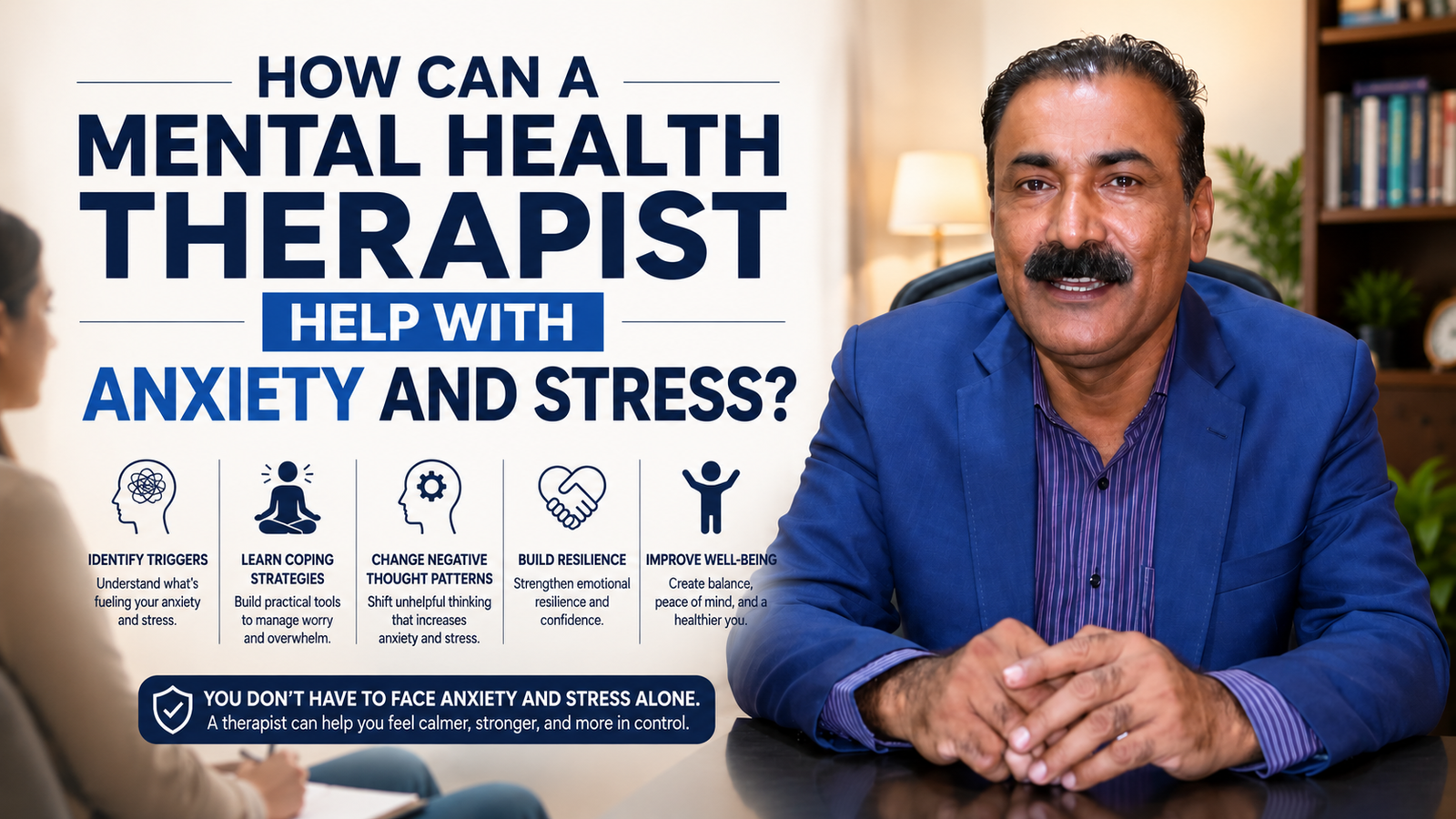
Anxiety and stress are among the most common reasons people seek professional support.
While occasional stress is normal, chronic anxiety can interfere with sleep, concentration, productivity, and physical health.
A mental health therapist helps clients:
- Identify anxiety triggers
- Challenge negative thought patterns
- Learn relaxation techniques
- Build resilience
- Improve emotional regulation
- Develop healthy coping mechanisms
Therapists often use evidence-based approaches such as Cognitive Behavioral Therapy, which helps individuals replace unhelpful thinking patterns with healthier perspectives.
What Types of Therapy Are Available?
Mental health treatment is not one size fits all. Different approaches address different needs and personalities.
Cognitive Behavioral Therapy
This widely used approach focuses on identifying and changing negative thoughts and behaviors. It is highly effective for anxiety, depression, and stress-related concerns.
Dialectical Behavior Therapy
This therapy helps individuals improve emotional regulation, distress tolerance, and interpersonal skills.
Psychodynamic Therapy
This approach explores past experiences and unconscious patterns that influence current behavior and emotions.
Family Therapy
Family sessions focus on improving communication, resolving conflicts, and strengthening relationships among family members.
Couples Therapy
Couples therapy helps partners address communication issues, trust concerns, and relationship challenges.
Trauma Focused Therapy
This specialized approach supports individuals recovering from traumatic experiences and helps reduce trauma-related symptoms.
When Should Someone Consider Professional Support?
Many people wait until emotional difficulties become severe before seeking help. Early intervention often leads to better outcomes.
Consider professional support if you experience:
- Persistent sadness lasting several weeks
- Difficulty functioning at work or school
- Constant anxiety or panic attacks
- Relationship problems affecting daily life
- Changes in appetite or sleep
- Emotional numbness
- Frequent irritability
- Difficulty coping with loss
- Feelings of hopelessness
Seeking help early can prevent problems from becoming more serious and improve long term wellbeing.
What Happens During a Therapy Session?
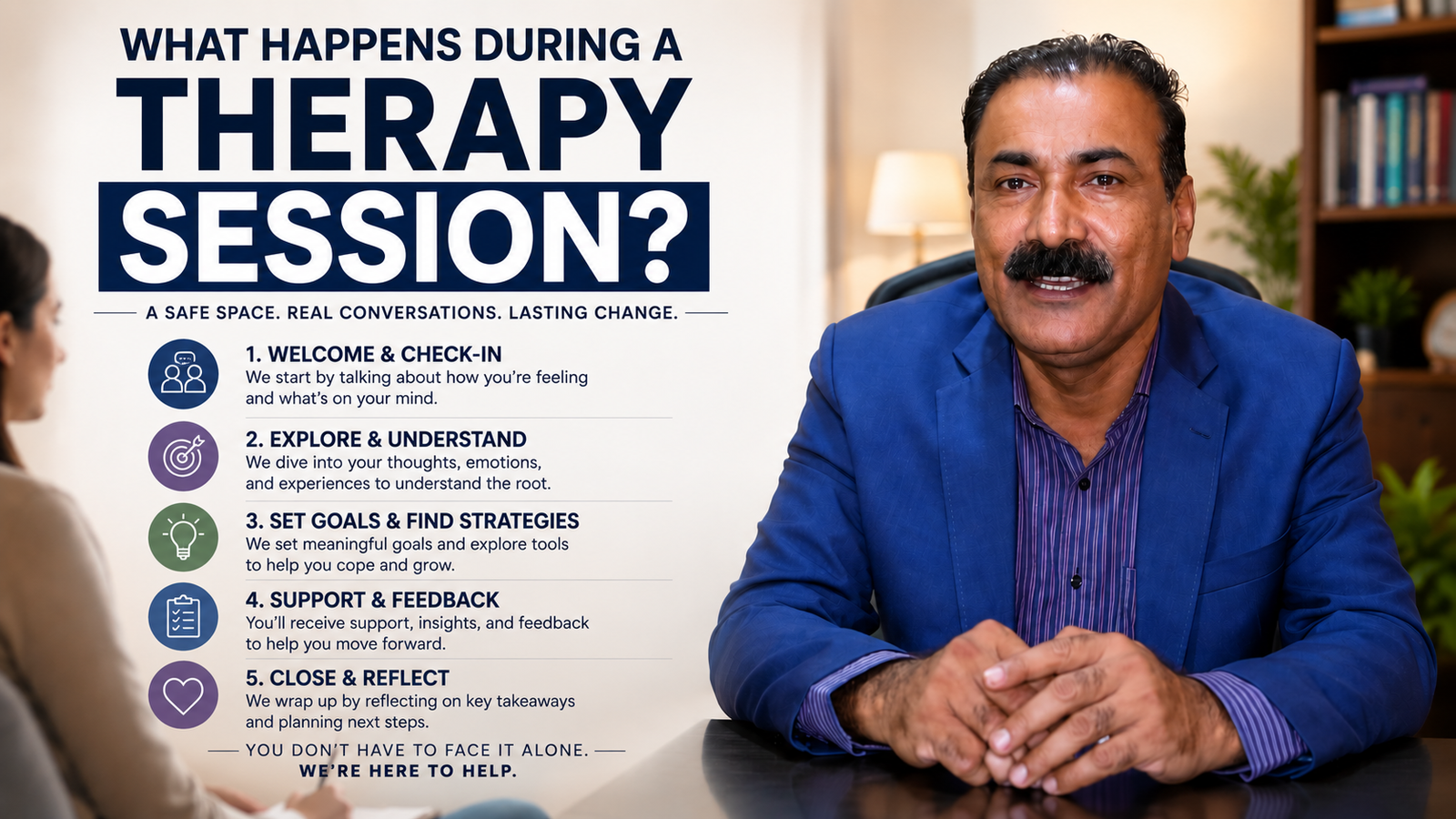
Many first-time clients feel uncertain about what to expect during therapy. The process is generally straightforward and focused on creating a comfortable environment.
During the initial session, the therapist may discuss:
- Current concerns
- Personal history
- Medical background
- Family relationships
- Goals for therapy
Future sessions often focus on:
- Exploring thoughts and emotions
- Identifying patterns
- Learning coping strategies
- Setting achievable goals
- Tracking progress
Therapy is collaborative. Both therapist and client work together to create meaningful changes over time.
How Do Therapists Support Emotional Growth?
Therapy is not only for managing mental health conditions. Many people use therapy to improve self-awareness, emotional intelligence, and personal development.
Benefits may include:
- Better communication skills
- Greater confidence
- Improved decision making
- Healthier relationships
- Stronger emotional resilience
- Increased self-awareness
- Better work-life balance
These improvements often extend into every area of life, creating lasting positive change.
How Can You Choose the Right Mental Health Therapist?
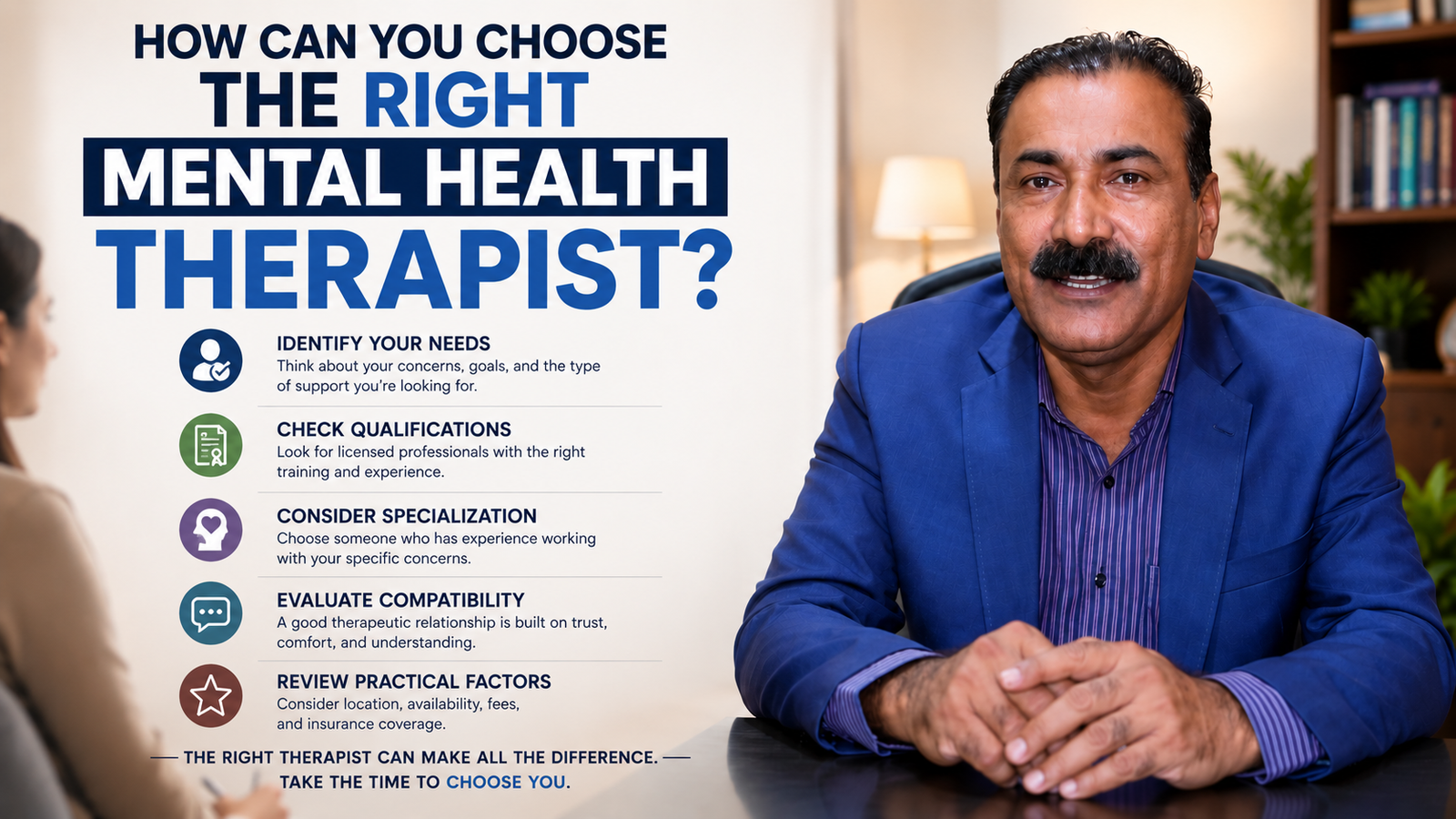
Finding the right therapist is an important step toward successful treatment.
Consider the following factors:
Qualifications
Verify education, certifications, and professional licensing.
Experience
Choose someone experienced in treating concerns similar to yours.
Treatment Approach
Different therapists use different therapeutic methods. Ask about their preferred approach.
Communication Style
You should feel comfortable discussing personal matters openly.
Accessibility
Consider location, scheduling flexibility, and virtual therapy options.
The relationship between client and therapist plays a major role in successful outcomes.
Is Online Therapy Effective?
Technology has expanded access to mental health services through virtual counseling sessions.
Benefits of online therapy include:
- Greater convenience
- Flexible scheduling
- Access to specialists
- Reduced travel time
- Increased privacy
Research shows that online therapy can be highly effective for many common mental health concerns, especially anxiety, depression, and stress management.
What Are the Long-Term Benefits of Therapy?
Therapy often provides benefits that continue long after treatment ends.
Long-term advantages include:
- Improved emotional stability
- Better stress management
- Stronger relationships
- Healthier coping skills
- Increased confidence
- Greater self-awareness
- Better problem-solving abilities
- Enhanced overall quality of life
These skills help individuals navigate future challenges with greater confidence and resilience.
FAQs
What is the difference between a therapist and a psychologist?
A therapist is a broad term for professionals who provide counseling and therapy services. A psychologist has advanced training in psychological assessment, diagnosis, and treatment.
How long does therapy usually take?
The duration varies depending on individual goals and concerns. Some people benefit from a few months of therapy, while others continue longer for ongoing support.
Can therapy help with stress even if I do not have a mental illness?
Yes. Therapy can help individuals manage stress, improve coping skills, and enhance emotional wellbeing even without a diagnosed condition.
Is everything discussed in therapy confidential?
In most situations, therapy sessions remain confidential. Therapists follow professional and legal guidelines to protect client privacy.
How do I know if therapy is working?
Signs of progress may include improved mood, better coping skills, healthier relationships, reduced stress, and greater confidence in daily life.
Conclusion
Working with a mental health therapist can be one of the most valuable investments in personal wellbeing.
Therapy offers professional guidance, practical coping strategies, emotional support, and opportunities for lasting growth.
Whether someone is facing anxiety, depression, relationship challenges, trauma, or everyday stress, professional support can help create healthier patterns and improve overall quality of life.
Taking the first step toward therapy today may lead to a healthier, more balanced future.