

Life experience can be daunting sometimes.
Life’s demands, family obligations, concerns about money, and the constant distractions of the digital world can impact emotional wellness to a greater degree than many realize.
Stress can affect relationships, work productivity, sleep, and quality of life when not managed.
There are many people out there looking to feel better, but few are able to get good advice that is easy to follow, actionable, and effective.
Fortunately, there are ways you can make a big difference with small actions daily.
By following these effective mental health tips, you can learn how to reduce stress and better maintain emotional equilibrium, which will lead to healthier habits that will benefit you in the long run.
This guide will teach you some of the top strategies endorsed by experts that can increase your emotional health, resilience, and a healthier mindset throughout daily life.
Why Is Mental Health Important for Overall Well-Being?
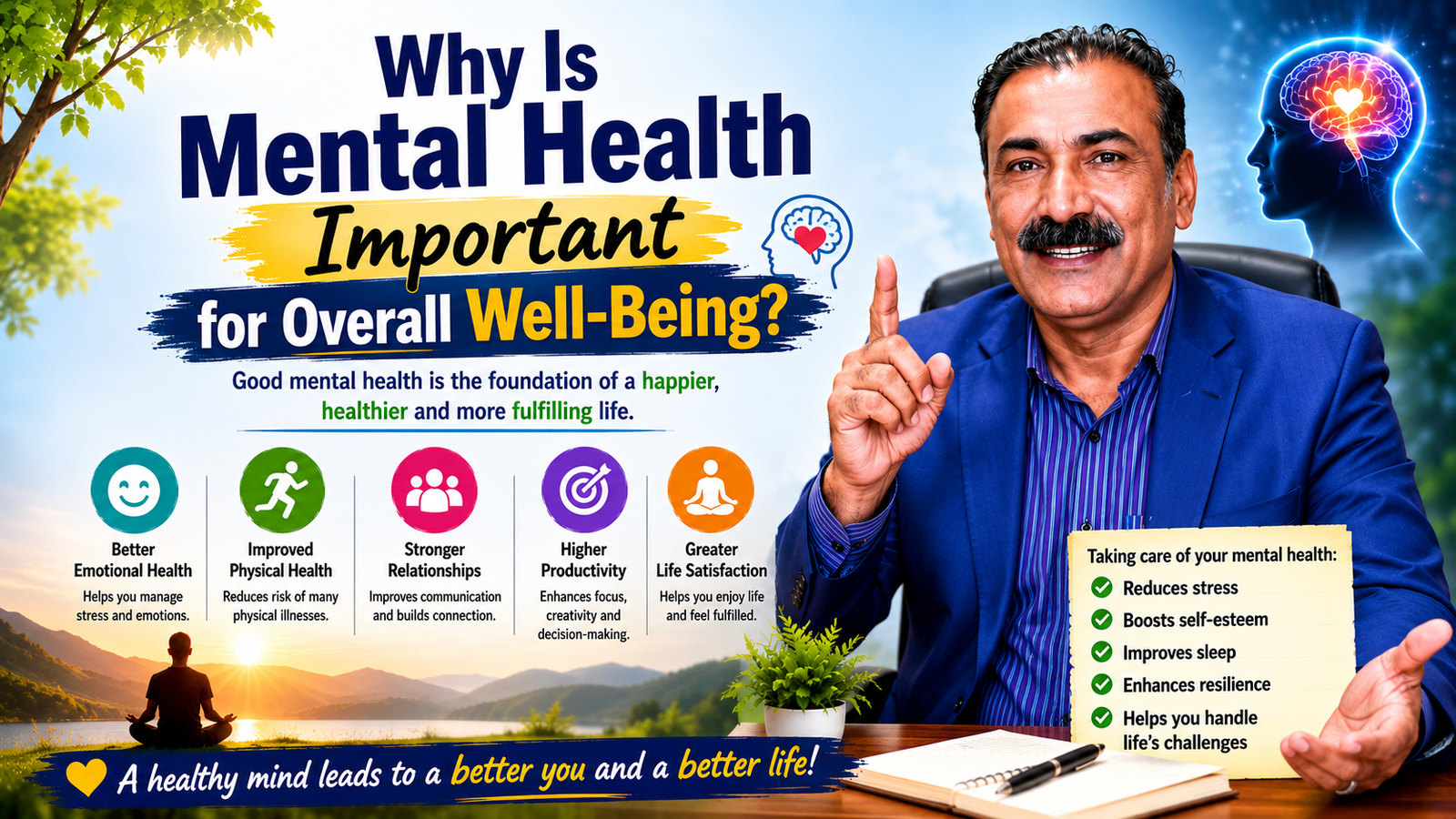
Mental health impacts how people think, feel, and behave in everyday life. It affects decisions, relationships, physical health, and life satisfaction.
With emotional wellness, a person can better manage when faced with challenges.
They can better cope with stress, to keep healthy relationships, and to remain productive in their work or school.
A lack of emotional wellness may lead to anxiety, depression, sleep issues, and physical health issues.
Studies continue to reveal the close ties that exist between mental and physical well-being. Making mental health care as important as physical health care.
Excellent mental health enables individuals to enjoy life to the fullest and recover from challenging situations more successfully.
What Are the Most Effective Mental Health Tips for Daily Life?
Some of the most effective strategies are also the simplest. Sometimes it’s better to be consistent than perfect.
Establish a daily routine that provides sufficient rest, exercise, food and rest, and time for relaxation.
These are some healthy habits that can help with emotional wellness.
Practice Gratitude by paying attention to the positive things in your day. Just a little thinking can brighten the outlook and enhance the mood.
Be realistic about what you can and cannot accomplish, and do not take on too much at a time.
It is important to make the tasks smaller, and this can help to lower stress and increase confidence.
While these are some basic mental health tips, they can start to have a positive impact over time if applied consistently.
How Can Quality Sleep Improve Emotional Wellness?
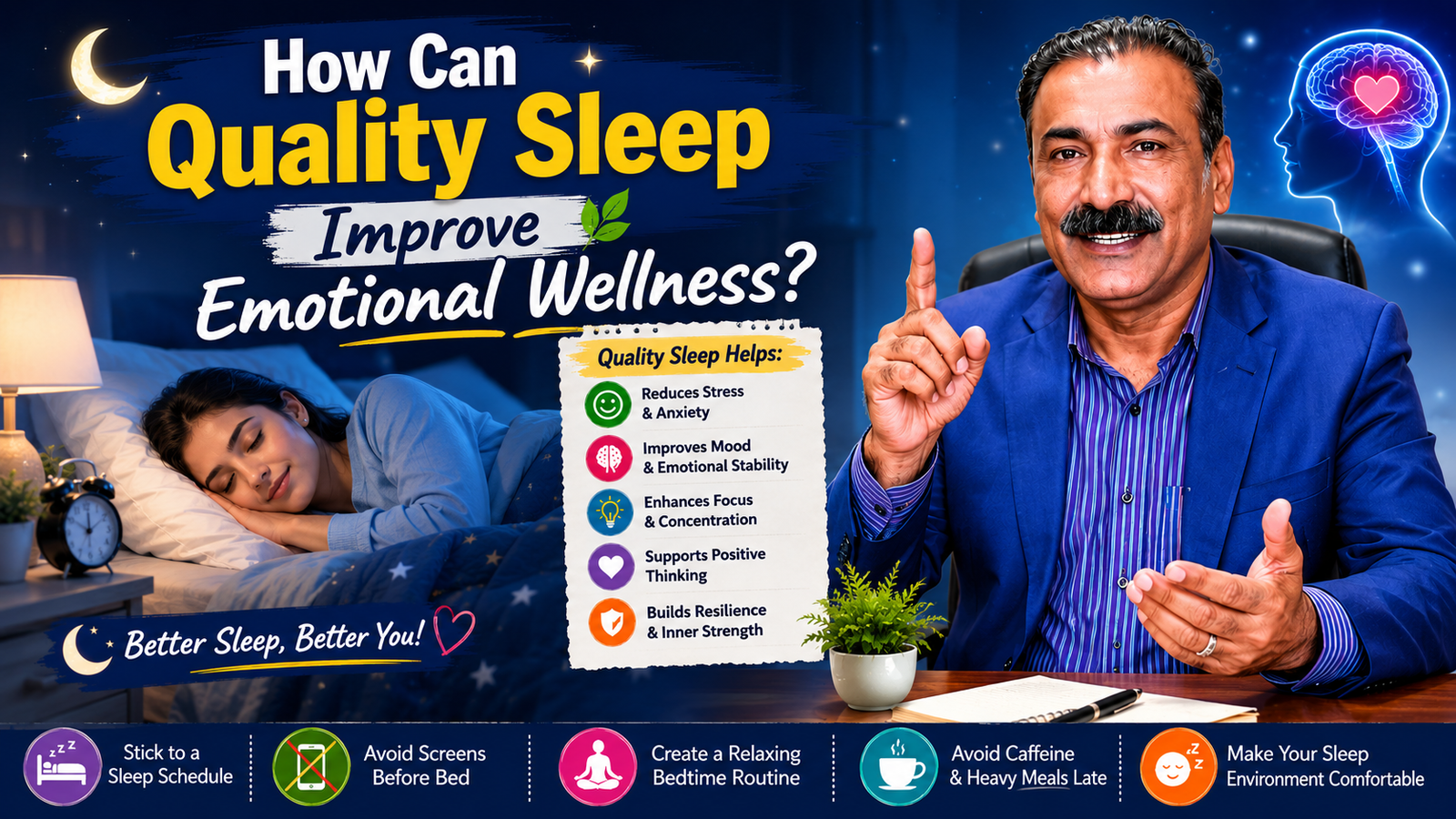
Sleep is essential for emotional regulation and the development of cognitive functions. A lack of sleep can make people feel irritable, make it more difficult to focus, and to deal with stress.
Adults need 7-9 hours of good sleep every night. Establish regular sleep habits that will improve sleep quality.
Avoid overstimulation before bed and plan a comfortable bedtime setting, and reduce caffeine intake in the afternoon and evening.
Many people find that they feel better emotionally, happier, and more energetic during the day when their sleep improves.
Quality sleep contributes to an optimal functioning brain and to the body’s recovery.
Why Does Physical Activity Support Better Mental Health?
The Exercise is good for physical and emotional health. Exercise increases the amount of chemicals in the brain that can enhance one’s mood and decrease stress.
It doesn’t take extreme exercise to gain benefits. Other means of travel, like walking, cycling, swimming, and yoga, may work.
Those exercises can help lower the symptoms of anxiety and depression as well as boost self-confidence and vitality.
Thirty minutes of moderate exercise is recommended daily for most days of the week by many health care professionals.
While moving, there can be a chance to get away from the stress of everyday life and concentrate on self-care.
How Can Healthy Relationships Protect Emotional Health?

Human connection is a fundamental part of emotional wellness. Relationships that support the child are comforting, encouraging, and give the child a sense of belonging.
Having a support network of close relatives and friends can help alleviate feelings of loneliness and enhance happiness.
Communication is also key to good health. It can help to lower the emotional tension over a relationship if thoughts and feelings are expressed openly.
Setting limits with people or circumstances which continue to cause stress is also important.
Tight-knit social networks can prove protective at times of stress.
What Role Does Nutrition Play in Mental Wellness?
The foods eaten can affect the mood, energy and brain function.
The nutrients in a balanced diet of fruits, vegetables, whole grains, lean proteins, and healthy fats are important for maintaining brain health.
It’s also important to drink water. Mild dehydration can cause a drop in concentration and/or mood.
Avoid too much sugar and highly processed foods to help maintain steady energy levels throughout the day.
There is no one single answer to emotional issues – nutrition can be an important part of being well.
Stress is a healthy and normal response to life and serves a purpose, but elevated or prolonged stress levels can cause negative emotional and physical consequences.
How Can Stress Be Managed More Effectively?
A good strategy is to pinpoint what is causing the stress and to concentrate on what you can do to change that.
Practicing deep breathing exercises, meditation, journaling, and relaxation exercises can help to soothe the mind and ease tension.
Another good skill is time management. Instead, you can feel less stressed on a day-to-day basis by focusing on priorities and downplaying unnecessary commitments.
If you can do these mental health tips regularly, you’ll find stressful situations to be more manageable and less overwhelming.
When Should Someone Seek Professional Support?
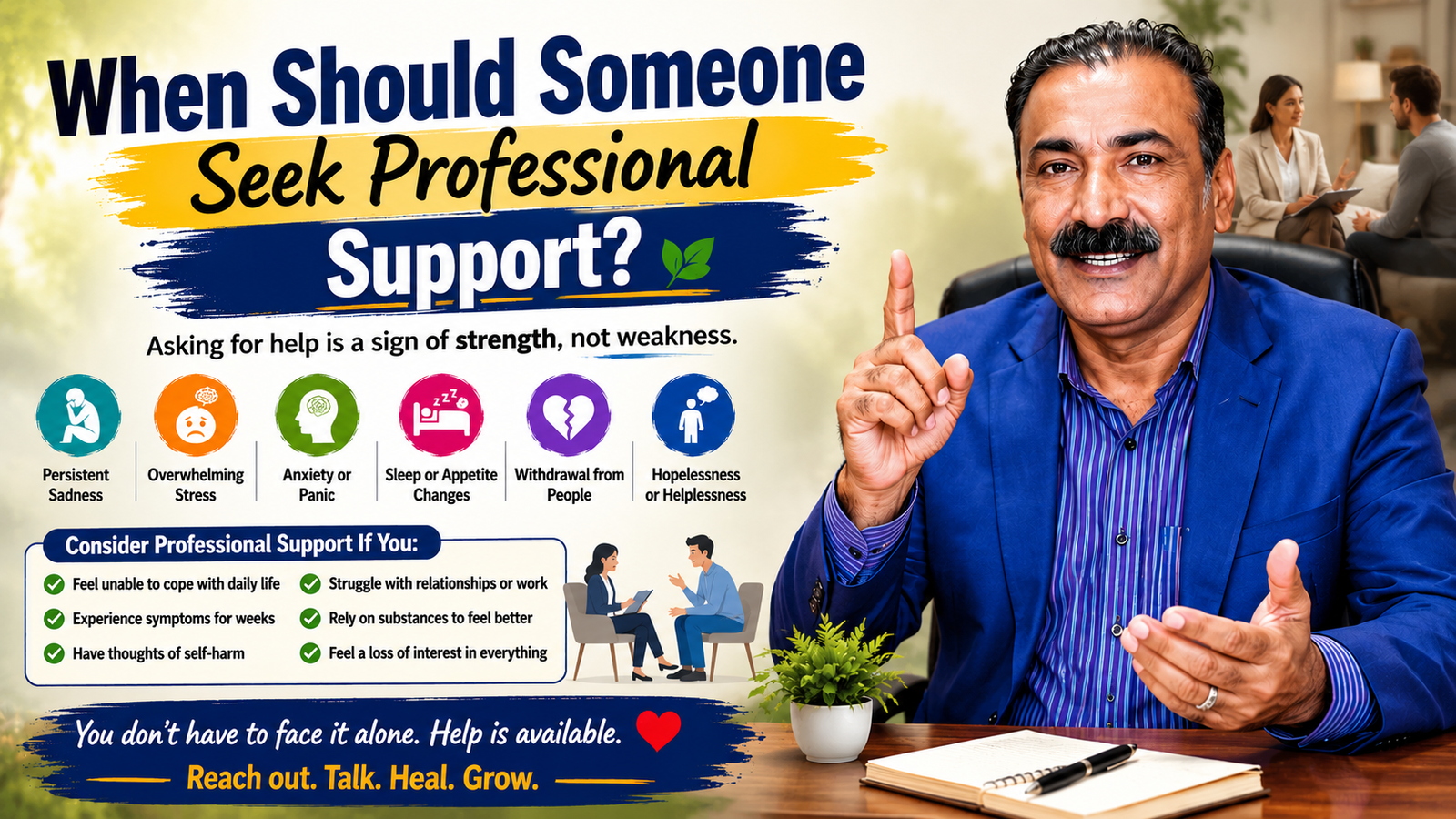
Professional support can be helpful when emotional difficulties start to interfere with the functioning of life, work, relationships, or physical health.
If someone is persistently sad, is worrying too much, is not interested in activities, has excessive mood changes, or is not able to function normally, they may need professional guidance.
Evidence-based and individualized mental health care and services are possible.
Asking for assistance is a way of being strong and self-aware, NOT weak.
Early intervention may result in better outcomes and can help avoid problems from worsening.
How Can Digital Habits Affect Mental Health?
While there are several advantages to Technology, there are also some drawbacks, such as the potential for excessive screen time, which can lead to stress, anxiety, and sleep disturbances.
It can be emotionally stressful for some to be constantly exposed to news, notifications, and comparisons on social media.
Establishing safe limits for technology can help with concentration and minimize mental fatigue.
Try to have screen-free time throughout the day, particularly before going to sleep at night.
Incorporating technology with purpose and not all the time can help achieve a better balance.
What Habits Help Build Long-Term Emotional Resilience?
Resilience is the ability to adapt and recover from challenges. It can be reinforced by regular practice.
Fostering a growth mindset, keeping positive relationships, and thinking about realistic solutions can increase resilience over time.
Self-compassion is also important. It’s important to treat yourself with kindness during difficult times to alleviate unhelpful self-criticism.
Failure is viewed as an opportunity to learn and grow emotionally resilient.
These mental health tips can help create a stronger foundation for navigating life’s challenges with confidence.
FAQs
What are the best daily habits for emotional wellness?
Some of the best daily habits include getting a regular amount of sleep, exercising, eating a healthy diet, dealing with stress, and keeping healthy relationships.
Can exercise really improve mood?
Yes. Exercise releases endorphins, natural chemicals in the brain, which help to promote a positive mood, decrease stress, and enhance emotional wellness.
How much sleep is recommended for adults?
The ideal amount of sleep for Most adults is 7 to 9 hours per night.
When should I consider professional help?
If emotional difficulty is impacting daily functioning, relationships, employment, and/or quality of life, seek professional assistance.
Can reducing screen time help mental wellness?
Yes. Limiting overuse of screens can decrease stress levels, increase concentration, help with sleep, and contribute to a more balanced emotional state.
Conclusion
There is no one single solution for good emotional wellness.
It builds on a regular daily routine, healthy relationships, good sleep, regular exercise, healthy eating habits, and coping with stress.
These mental health tips, along with professional help if needed, can lead to a healthier mindset, boost resilience, and create a better quality of life for you.
There are a few things we can do now that will have a big impact for many years.