

What Is a Certified Psychiatrist?
A certified psychiatrist is a medical practitioner with special training in psychiatry. Psychiatrists assess mental, emotional, and behavioral symptoms and decide if they could be linked to a mental health issue, a physical health problem, medication or substance use, or a mixture of factors.
As psychiatrists are medical doctors, they have the ability to assess the connection between physical and mental wellness.
They may also have the authority to prescribe and monitor psychiatric drugs if clinically appropriate and legally permitted.
Psychiatry encompasses many conditions, such as depression, anxiety disorders, bipolar disorder, schizophrenia and other psychotic disorders, obsessive-compulsive disorder, trauma-related disorders and substance-use disorders.
Symptoms of mental health issues can have an impact on more than just mood. They can affect sleep, eating habits, focus, relationships, work, learning, and the body.
That’s why a proper psychiatric evaluation may help if symptoms continue or if they are causing problems.
How Can You Find a Qualified Psychiatrist in Karachi?
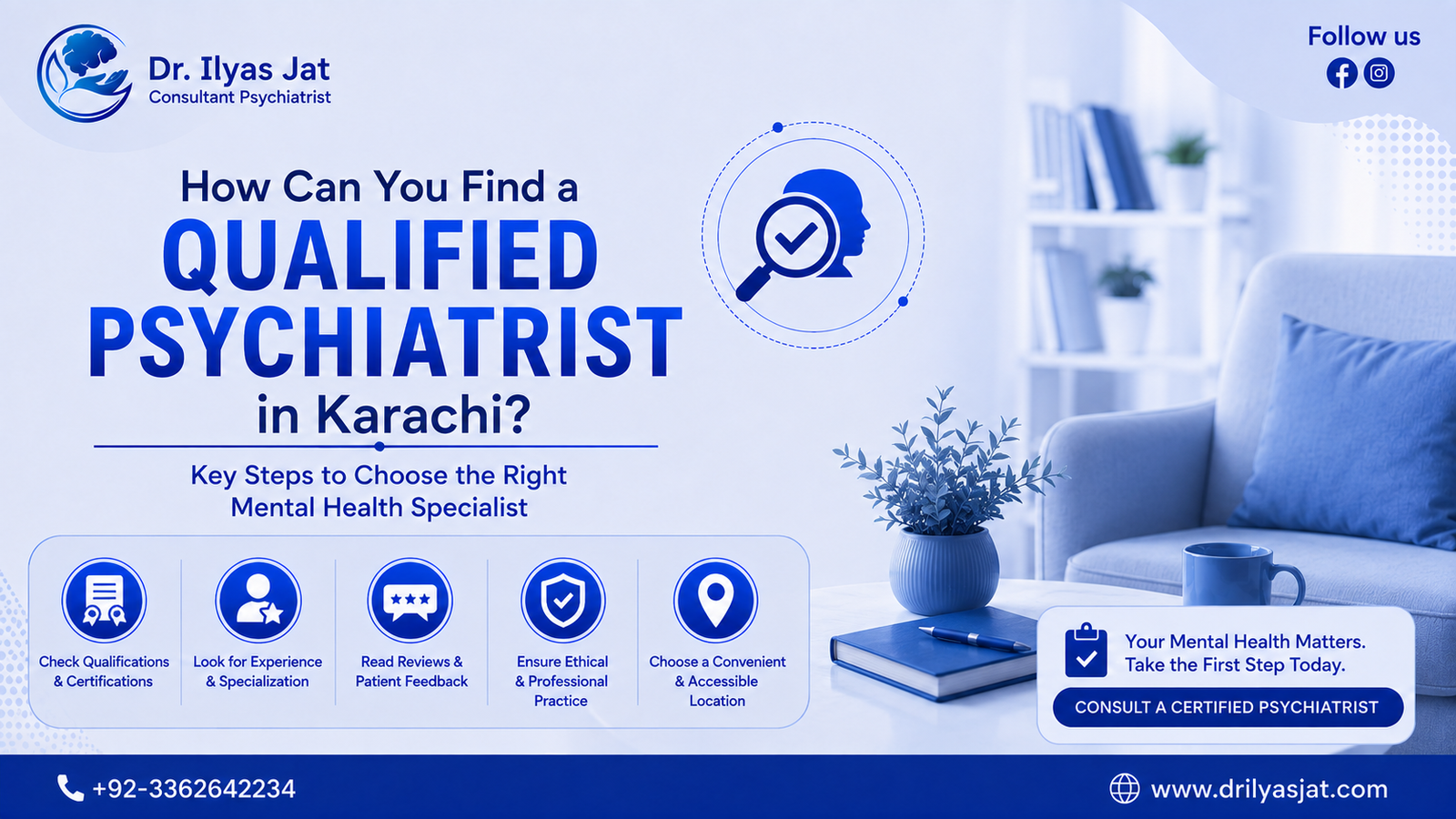
The first step towards finding a qualified psychiatrist in Karachi is to check the doctor’s credentials.
While online profiles can be helpful, patients shouldn’t take on the word of advertising alone, and should not accept a psychiatrist’s claim to be an “expert” or “best psychiatrist.
Check whether a doctor is registered and the qualifications he/she has on the PM&DC practitioner register. Patients should also take into account the psychiatrist’s training and clinical experience.
For instance, a patient who has experienced anxiety for a long time might wish to receive treatment from a psychiatrist who routinely evaluates anxiety and anxiety-related disorders.
If the individual is looking to get treatment for addiction, bipolar disorder, depression, or severe mood symptoms, they may wish to have a doctor who has experience in that field.
The doctor’s approach also plays a role. When making a mental health consultation, patients are likely to have personal details that they do not want to reveal to anyone else, and they should feel at ease talking about their concerns and asking questions.
Dr. Muhammad Ilyas Jat: A Psychiatrist in Karachi
If you are on the lookout specifically for a certified psychiatrist in Karachi, then the academic and psychiatric background of Dr Muhammad Ilyas Jat can be considered while comparing mental health experts in Karachi.
Dr. Muhammad Ilyas Jat is an Assistant Professor of Psychiatry as per the official faculty profile of Dow University of Health Sciences (DUHS). He is listed as an MBBS and FCPS doctor, and his area of interest is Psychiatry according to DUHS.
The Department of Psychiatry at DUHS also states that Dr. Muhammad Ilyas Jat has done MBBS from Liaquat University of Medical & Health Sciences (LUMHS), Jamshoro, and FCPS Adult Psychiatry from the College of Physicians and Surgeons Pakistan (CPSP), Karachi in 2016.
His previous academic appointment was Assistant Professor in the Department of Psychiatry at Isra university, Karachi campus.
He has also been the subject of scholarly work. Research on anxiety, depression, headaches, migraine, substance-use disorders, bipolar disorder, schizophrenia, insomnia, and other psychiatric and psychological issues is listed on the DUHS faculty page. This academic experience gives him some context in terms of his professional experience.
Dr. Ilyas Jat is therefore relevant for those patients who are searching for an experienced psychiatrist in Karachi and are interested in finding a psychiatrist with a formal post-graduate qualification in adult psychiatry and a teaching position in the psychiatry field.
But the appropriate psychiatrist depends on the person’s unique requirements. Even with the latest registration, patients should check with the doctor regarding the symptoms and should consider the doctor’s clinical experience and his approach.
What Does a Licensed Psychiatrist in Karachi Do?
A Psychiatrist in Karachi can diagnose and treat various mental health issues. The psychiatrist could talk about your symptoms, medical history, family history, medications, sleep, appetite, past mental health care, stressors, relationships, or past mental health treatment during an evaluation.
It is not just to give a diagnosis. The purpose of a good psychiatric evaluation is to gain an overall perspective and decide on the best treatment.
For instance, sleep disturbances can be caused by anxiety or depression, or physical or due to medication. Likewise, there are several states of low mood.
A psychiatrist will take all the overall clinical circumstances into account when deciding on treatment.
Follow-up visits can then be scheduled to track symptoms, assess treatment effects, manage side effects, and adjust treatment to fit the individual.
When Should You See a Psychiatrist for Mental Health Treatment in Karachi?

When emotional or behavioural symptoms persist, it becomes hard to control, or affect daily life, you should think about seeking mental health treatment in Karachi from a psychiatrist.
Everyone experiences stress, sadness, worry, or trouble sleeping from time to time. When symptoms persist or worsen, or start to interfere with relationships, jobs, school, personal caring, or daily living, the concern becomes more important.
An assessment by a professional might be recommended if a person is persistently sad, has a loss of interest in usual activities, is excessively worried, has frequent panic attacks, has significant mood changes, continues to have sleep difficulties, is very irritable, has trouble concentrating, has difficult thoughts, has trauma-related symptoms, or has unusual perceptions or beliefs.
The intensity and type of symptoms are important. A psychiatrist can establish if the symptoms are consistent with a mental health disorder and if additional medical or psychological evaluation is necessary.
When someone is thinking about hurting himself or herself, hurting others, has severe confusion, or is unable to keep safe, scheduling their routine appointments may not be sufficient. Immediate medical or emergency service should be provided.
What Conditions Can an Experienced Psychiatrist in Karachi Treat?
A Psychiatrist in Karachi can diagnose and treat mental disorders.
Depression
Depression isn’t just a case of the downpours. May include sadness or lack of interest, trouble sleeping or eating, decreased energy, difficulty concentrating, loss of motivation or interest, and low self-esteem.
Treatment will vary depending on the person’s symptoms and situation. Medications, psychotherapy, or both might be recommended.
Anxiety Disorders
Anxiety is a clinical issue when fear and/or worry are too high, too long, too uncontrollable, and/or too disruptive to daily functioning.
Some psychological treatments (like cognitive behavioral therapy) can help, and medications may also be used for some individuals.
Panic Disorder
Panic attacks can include intense fear that comes on suddenly and without warning, along with physical symptoms of a rapid heartbeat, sweating, shaking, shortness of breath, dizziness, or loss of control.
Psychiatric evaluation should be considered when a person experiences repeated or debilitating panic attacks, and when they fear having another attack or avoid situations they formerly enjoyed.
If panic attacks keep occurring or when a person is avoiding situations or experiencing a lot of fear of having another attack, psychiatric evaluation can help determine the cause and treatment.
Bipolar Disorder
Bipolar disorder is characterized by profound shifts in mood and activity that may include depressive mood and spells of abnormal, high, expansive, or irritable mood.
Careful assessment and continued monitoring of the symptoms and treatment requirements, as these may change over time, is generally required for treatment.
Obsessive-Compulsive Disorder
OCD can include unwanted thoughts, images and repetitive behaviours, or mental rituals, that are meant to ease the distress.
Special psychotherapy is used to treat, as is medication for some individuals.
Trauma-Related Conditions
Some people get stuck in intrusive memories, avoidance, increased alertness, sleep disturbances, anxiety, or changes in mood after a traumatic experience.
A psychiatrist may evaluate the symptoms to determine if they are consistent with a trauma-related disorder and if psychiatric treatment, psychiatric psychotherapy, or both is warranted.
Other Psychiatric Conditions
Psychiatrists can also evaluate and treat disorders of psychosis, substance abuse, personality disorders, behavior disorders, sleep disorders, and psychiatric symptoms due to other medical conditions.
All psychiatrists have all of the specialties. It is helpful to inquire about the doctor’s specialty prior to scheduling an appointment.
What Happens During a Psychiatric Consultation?
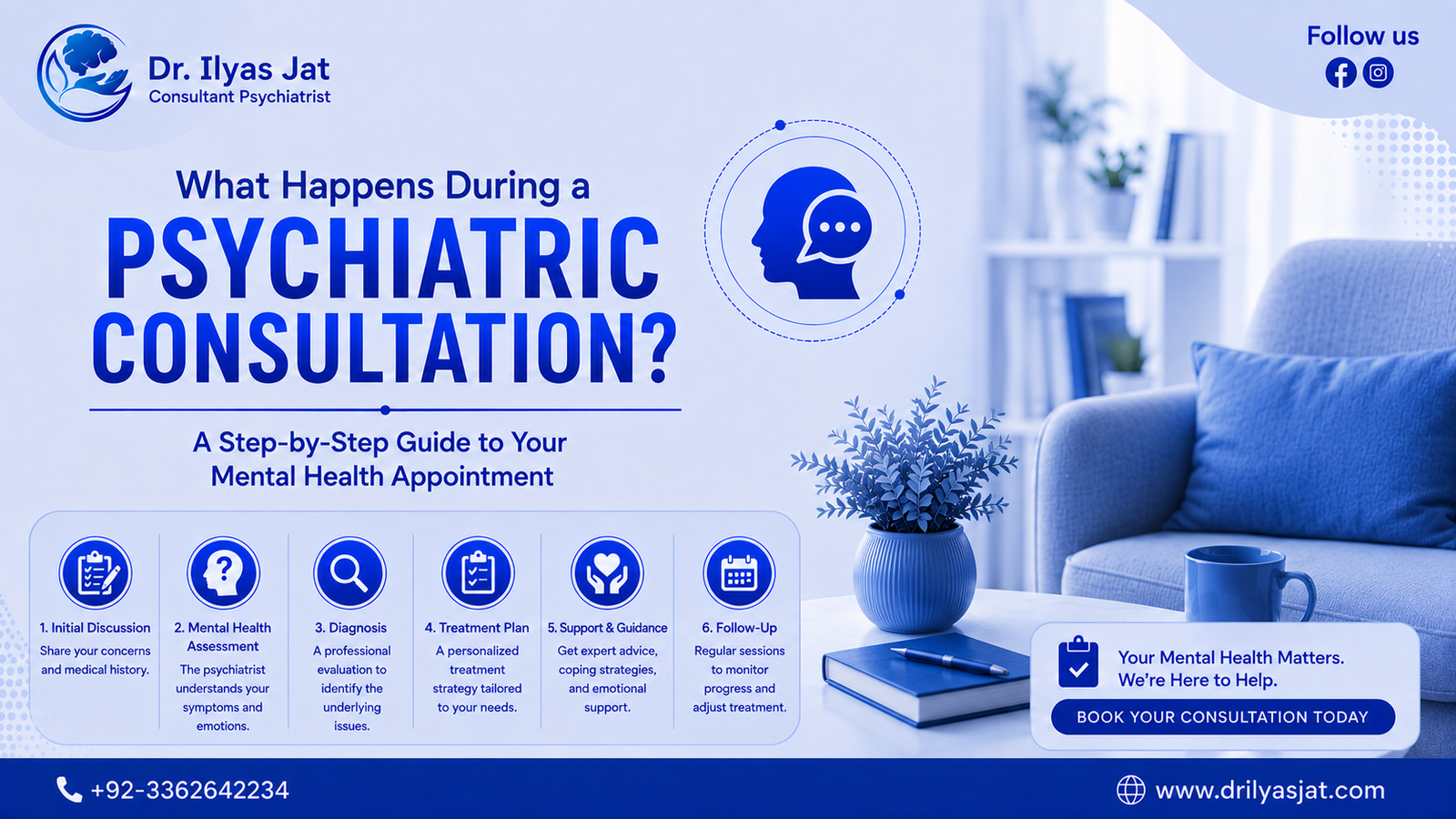
Typically, a first psychiatric appointment starts with a comprehensive discussion regarding the individual’s signs and symptoms and their situation.
The psychiatrist may ask about the onset, frequency, and severity of symptoms, whether they are improving or deteriorating, and whether they are impacting the patient’s daily life.
Discussions may also include questions regarding sleep, appetite, concentration, energy, mood or anxiety, relationships, work or school, previous treatment, and family history.
The psychiatrist might talk to you about the medications you are currently taking and any relevant health conditions. Sometimes, other medical tests or a consultation with a different specialist may be suggested if medical or physical problems might be causing the symptoms.
It will also be a moment for the patient to ask questions. It can be helpful to know the rationale for a treatment to make it easier to adhere to care decisions.
A diagnosis is often made at the initial consultations; however, this is not always the case. Some mental health conditions may need to be monitored over time, with the collection of new information or a further assessment before a diagnosis is established.
How Is Mental Health Treatment Provided?
Individuals’ treatment for mental health conditions isn’t the same. Treatment depends on the diagnosis, severity of symptoms, medical history, previous treatment, the patient’s personal situation and their preference for treatment.
Medication
If clinically indicated, psychiatrists may prescribe psychiatric medications. These may include antidepressants, mood stabilizers, anti-anxiety drugs, antipsychotic drugs or other drugs, depending on the situation.
The choice and management of medication must be carried out by a properly trained health care professional. Individuals may react differently to a particular medication and side effects, or interactions may be a factor to be taken into account.
Patients should never stop, start, up, or down psychiatric medication without consulting with their prescribing health care provider.
Psychotherapy
Talk therapy or psychotherapy can be used to help individuals learn to change patterns of thought, feelings, and behaviours.
One example is cognitive behavioral therapy, which is frequently employed to treat anxiety and depression. Depending on the individual, other types of psychotherapy may be suitable.
Some doctors who prescribe psychotherapy also do so, and some doctors do it in conjunction with a psychologist or a therapist.
Combined Treatment
For some individuals, medicines and therapy might be complementary. Medication can be used to control some symptoms, and psychotherapy can be used to treat patterns of thinking, acting, coping, or emotional reactions.
Combined treatment is not mandatory, however. The psychiatrist needs to evaluate the person and explain to them why a specific treatment is being suggested.
Psychiatrist vs Psychologist: Which One Should You Choose?
Psychiatrists and psychologists both contribute to mental healthcare, but their professional training and roles are different.
Feature | Psychiatrist | Psychologist |
Medical doctor | Yes | Generally no |
Specialized psychiatric medical training | Yes | No, unless separately medically qualified |
Mental health assessment | Yes | Yes, within professional scope |
Can prescribe psychiatric medication | Yes, when legally authorized | Generally no |
Psychotherapy | Some psychiatrists provide it | Common area of practice |
Medical evaluation | Yes | More limited |
Medication monitoring | Yes | Generally no |
Common role | Psychiatric assessment, diagnosis, medication management, and some psychotherapy | Psychological assessment and psychotherapy |
The choice does not always have to be either-or. A person may benefit from seeing both professionals. For example, a psychiatrist may manage medication while a psychologist provides regular psychotherapy.
If you are unsure which professional to see, an initial consultation can help determine what type of care is appropriate.
What Should You Look for in the Best Certified Psychiatrist in Karachi?
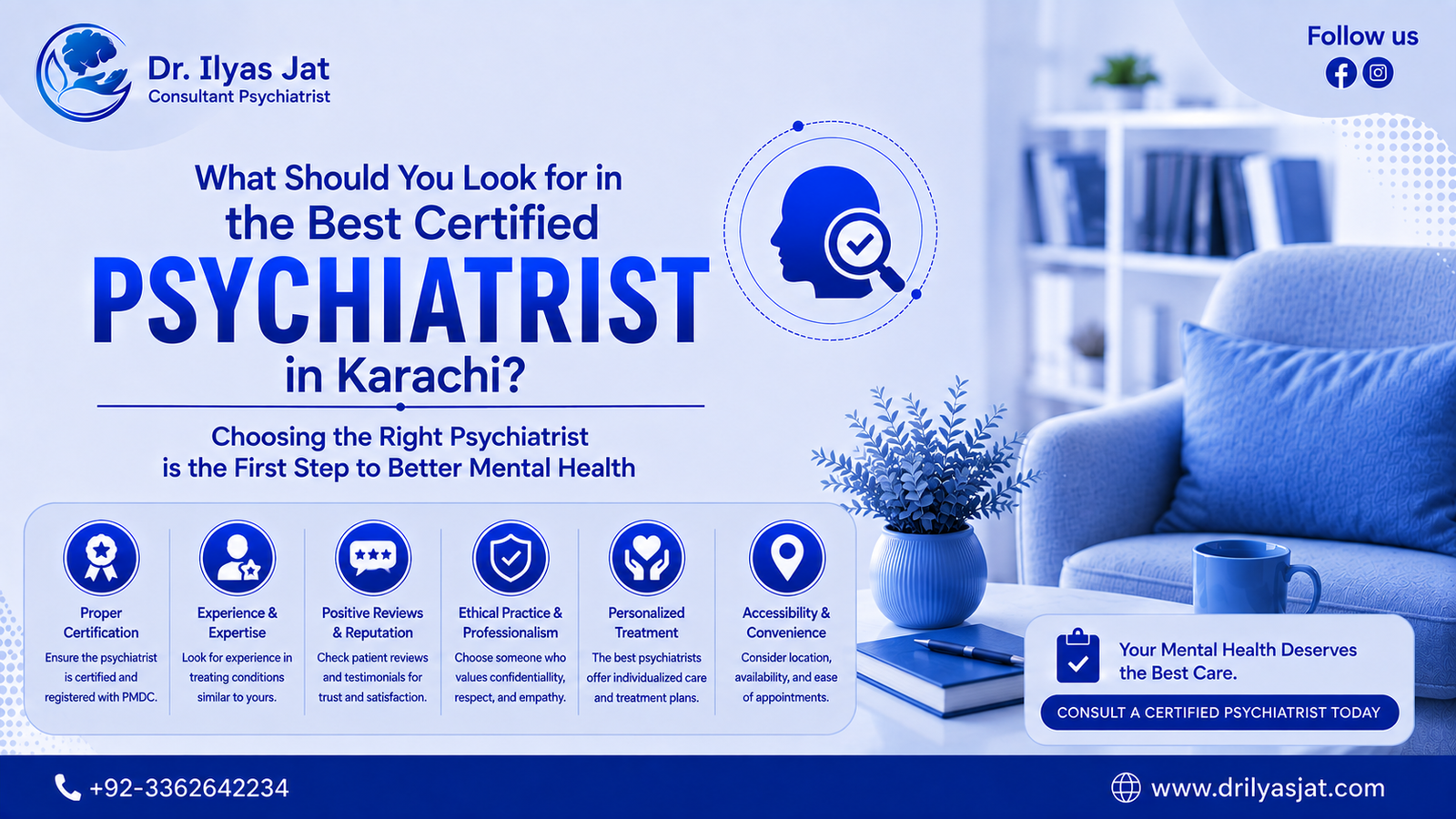
There is no universal definition of the best psychiatrist in Karachi. The best psychiatrist to choose will depend on the patient’s symptoms, treatment requirements, age, preferences, and situation.
Do not select a doctor based on advertisements, but consider practical considerations of suitability.
Verify Registration: See if the psychiatrist has been registered by the appropriate medical regulatory body in Pakistan.
Qualifications recognised: Check the doctor’s medical and post-graduate psychiatric qualifications.
Relevant experience: Find experience in handling the exact symptoms or condition you wish to be evaluated.
Good communication: A successful consultation should allow you to express your worries and ask questions.
Individualised treatment: Avoid methods that claim a standard treatment or result for all patients.
Follow-up care: Inquire about the follow-up treatment and appointments.
Professional boundaries: The doctor is responsible for treating personal information and sensitive issues in a respectful way.
Suitable referrals: A psychiatrist should be aware of the need for other treatment types such as psychotherapy, medical investigation, or another specialist.
This is more helpful than just picking a psychiatrist on the basis of popularity or one review that they’ve had on a web page.
How Can You Prepare for Your First Psychiatric Consultation?
Preparing a few notes before your appointment can make the conversation easier and help the psychiatrist understand the problem more accurately.
- Record your symptoms: Note when they started, how often they happen, and whether they are becoming better or worse.
- Describe their impact: Consider how symptoms affect sleep, work, education, relationships, and daily activities.
- List medications: Include prescription medicines, over-the-counter medicines, vitamins, supplements, and herbal products.
- Bring relevant medical information: Previous diagnoses, treatments, allergies, and significant medical conditions can be useful.
- Prepare questions: Ask about possible causes, treatment choices, expected benefits, possible side effects, and follow-up.
- Be honest: Mental health assessment depends heavily on accurate information, so try to describe your experiences openly.
- Take someone with you if helpful: If you feel anxious about the appointment, a trusted person may provide practical support when appropriate.
You do not need to know your diagnosis before seeing a psychiatrist. Explaining what you are experiencing is enough to begin the assessment.
How Can You Verify a Psychiatrist’s Credentials in Pakistan?
When searching for a licensed psychiatrist in Karachi, credential verification is one of the most useful steps you can take.
The Pakistan Medical & Dental Council provides an online practitioner register that allows patients to search for registered medical practitioners and review available professional information.
A doctor’s registration status and qualifications should be considered alongside their clinical experience.
A registration check does not, by itself, tell you which psychiatrist is the best fit for your particular needs, but it can help establish whether the professional credentials being advertised can be verified.
Patients should also be cautious about websites that make absolute claims such as “guaranteed cure,” “100% treatment success,” or “best doctor for everyone.
Mental health treatment is individualized, and responsible healthcare communication should acknowledge uncertainty and differences between patients.
How Much Does Psychiatric Treatment Cost in Karachi?
The cost of seeing a psychiatrist in Karachi can vary depending on the doctor’s qualifications, experience, clinic or hospital, consultation type, and follow-up arrangements.
Some clinics may charge different rates for an initial assessment and subsequent appointments.
Online consultations may also have different pricing from in-person visits.
Because consultation fees and clinic schedules can change, it is better to confirm the current fee and appointment availability directly with the clinic before booking.
Cost is an important consideration, but it should be evaluated alongside qualifications, relevant experience, accessibility, and continuity of care.
Is Online Psychiatric Consultation Available in Karachi?
Telepsychiatry can provide an alternative for people who have difficulty attending an appointment in person. Depending on the psychiatrist and clinical setting, consultations may be available through secure video or telephone services.
However, online care is not ideal for every situation. Severe psychiatric symptoms, immediate safety concerns, or situations requiring physical examination may require in-person or emergency assessment.
Before choosing an online psychiatrist, confirm how prescriptions, follow-up appointments, privacy, emergency support, and referrals are handled.
What Are the Warning Signs That Require Urgent Help?
Some mental health situations should be treated as emergencies.If someone is at immediate risk of suicide or self-harm, threatens to seriously harm another person, becomes severely confused or disconnected from reality, or cannot safely care for themselves, urgent medical assistance should be obtained.
In Karachi, a person experiencing a psychiatric emergency can be taken to the nearest appropriate emergency department or contacted with local emergency medical services.
A routine online search for a psychiatrist should not delay emergency care when immediate safety is at risk.