
If you are searching for the best therapist in Karachi, you may actually be looking for a psychiatrist who can evaluate mental health symptoms, diagnose psychiatric conditions, provide medical treatment when needed, and guide you toward appropriate therapy.
A psychiatrist is a medical doctor specializing in mental health. Psychiatrists can assess emotional, behavioral, and psychiatric symptoms and prescribe medication when clinically appropriate.
Depending on their practice and training, they may also provide psychotherapy or coordinate therapy with psychologists and other mental health professionals.
This distinction matters because problems such as persistent depression, severe anxiety, panic attacks, obsessive thoughts, mood changes, sleep problems, behavioral difficulties, bipolar disorder, or other psychiatric symptoms may require more than supportive counselling alone.
For patients in Karachi, choosing the right psychiatrist involves understanding the doctor’s role, identifying the type of mental health support you need, and considering qualifications, communication, treatment approach, accessibility, and continuity of care.
What Is a Psychiatrist?
A psychiatrist is a medical doctor who specializes in diagnosing, treating, and managing mental, emotional, and behavioral conditions.
Unlike most non-medical therapists, psychiatrists can prescribe medication and consider psychological symptoms alongside medical and biological factors when developing a treatment plan.
A psychiatric consultation is not limited to prescribing tablets. The psychiatrist first needs to understand what a patient is experiencing.
This may involve discussing mood, anxiety, thoughts, behavior, sleep, appetite, concentration, relationships, work or school performance, physical health, previous treatment, medications, and family or medical history.
Depending on the findings, treatment might include psychotherapy, medication, lifestyle guidance, psychological intervention, monitoring, or a combination of approaches.
This is why someone searching online for a therapist may ultimately find that a psychiatrist in Karachi is more suitable for their particular symptoms.
Why Might Someone Search for the Best Therapist in Karachi?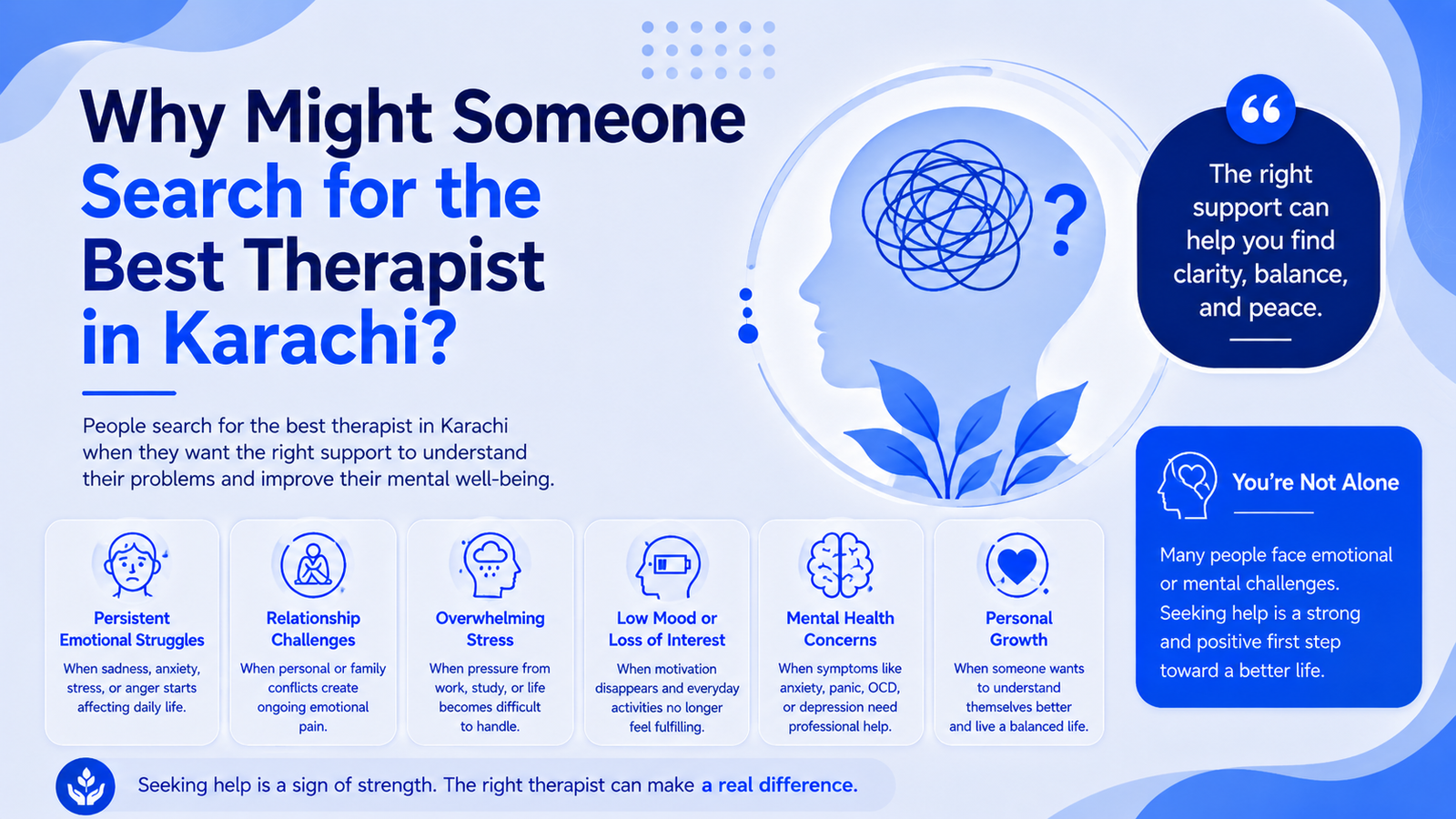
People often use the word “therapist” as a broad term when they want professional help for their mental health.
They may not initially know whether they need a counsellor, psychologist, psychotherapist, or psychiatrist.
The more useful question is therefore not simply “Who is the best therapist?” but “Which type of mental health professional is appropriate for what I am experiencing?”
A psychiatrist may be particularly relevant when symptoms are persistent, severe, recurring, medically complicated, or significantly affecting everyday functioning.
Common reasons for seeking psychiatric evaluation may include:
- Persistent depression, severe anxiety, panic attacks, major sleep disturbance, extreme mood changes, obsessive thoughts, behavioral changes, difficulty functioning, unusual perceptions, or concerns about self-harm.
- A mental health problem that has not improved, uncertainty about the diagnosis, a possible need for medication, or symptoms that require both medical and psychological assessment.
Not every person experiencing stress or sadness has a psychiatric disorder. Proper evaluation helps determine what kind of support is actually appropriate.
What Mental Health Problems Can a Psychiatrist Evaluate?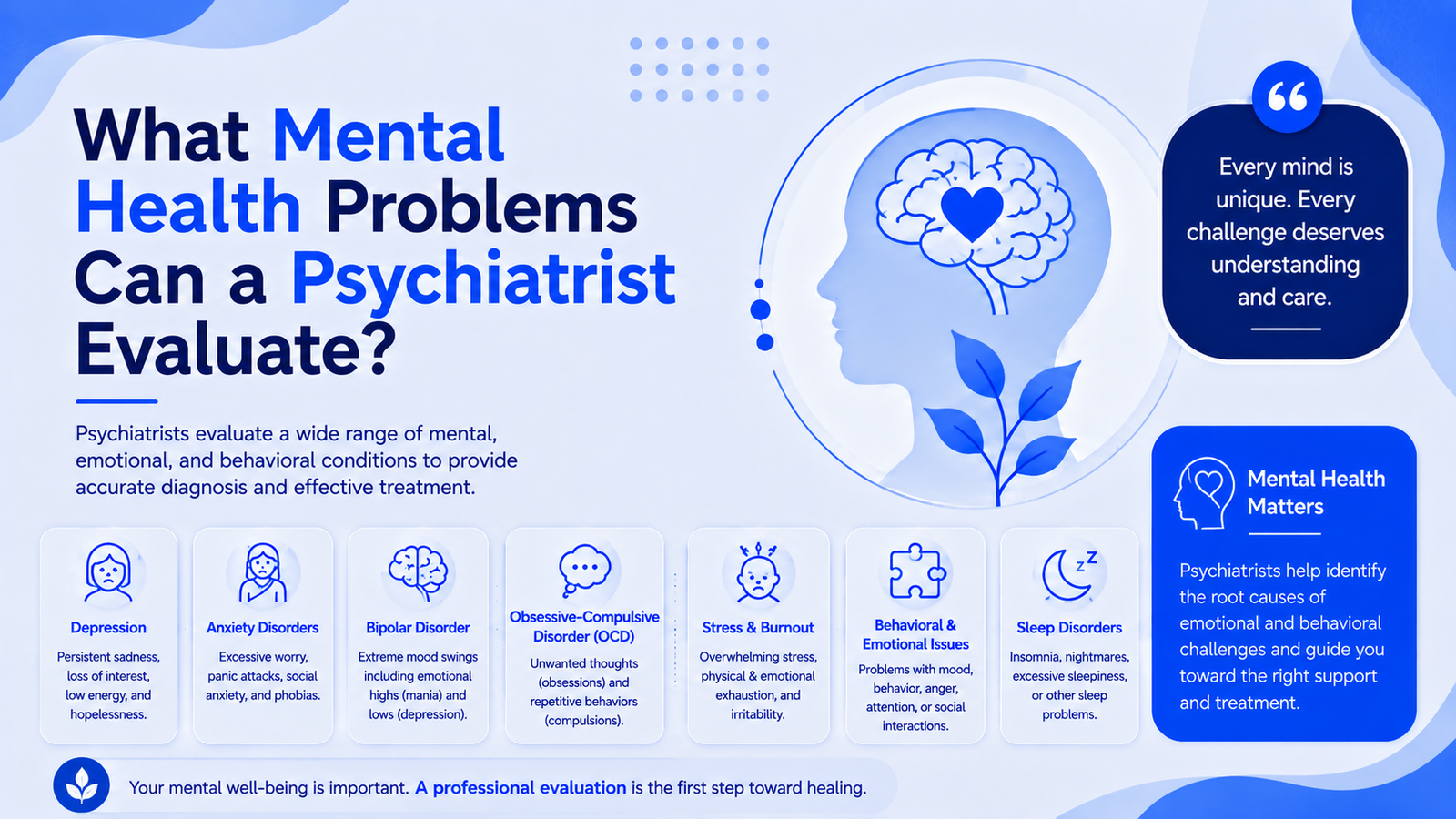
Psychiatrists work with a broad range of mental, emotional, and behavioral conditions. The exact diagnosis and treatment always depend on an individual assessment.
A psychiatrist may evaluate people experiencing symptoms associated with anxiety disorders, depression, obsessive-compulsive disorder, panic disorder, bipolar disorder, trauma-related conditions, attention or behavioral concerns, psychotic disorders, sleep-related mental health problems, and other psychiatric conditions.
Psychiatric evaluation can also be useful when symptoms overlap.
For example, sleep problems may occur with anxiety, depression, stress, medication effects, physical illnesses, or several other conditions. Irritability may also have multiple explanations.
Instead of treating a single symptom in isolation, a psychiatrist considers the broader clinical picture before recommending a treatment approach.
Psychiatrist vs Therapist: What Is the Difference?
A psychiatrist is a medically trained mental health doctor who can diagnose psychiatric conditions and prescribe medication.
“Therapist” is a broader term commonly used for professionals who provide psychotherapy or counselling. Some psychiatrists may also provide psychotherapy, while others work alongside psychologists or therapists.
The distinction can help patients decide where to start.
|
Factor |
Psychiatrist |
Therapist / Psychotherapist |
|
Main role |
Medical assessment and psychiatric treatment |
Psychological and emotional therapy |
|
Medical doctor |
Yes |
Usually no |
|
Can prescribe medication |
Yes |
Usually no |
|
Can diagnose mental health conditions |
Yes |
Depends on professional training and scope |
|
Psychotherapy |
May provide or coordinate it |
Often a primary part of treatment |
|
Suitable when medical evaluation is needed |
Yes |
May refer to a psychiatrist |
The two approaches are not necessarily alternatives.
Some patients benefit from psychiatric management combined with structured psychotherapy. UCLA Health notes that psychiatrists can diagnose and treat mental health conditions through medication, therapy, and other medical interventions depending on the patient’s needs.
When Should You Consider Seeing a Psychiatrist in Karachi?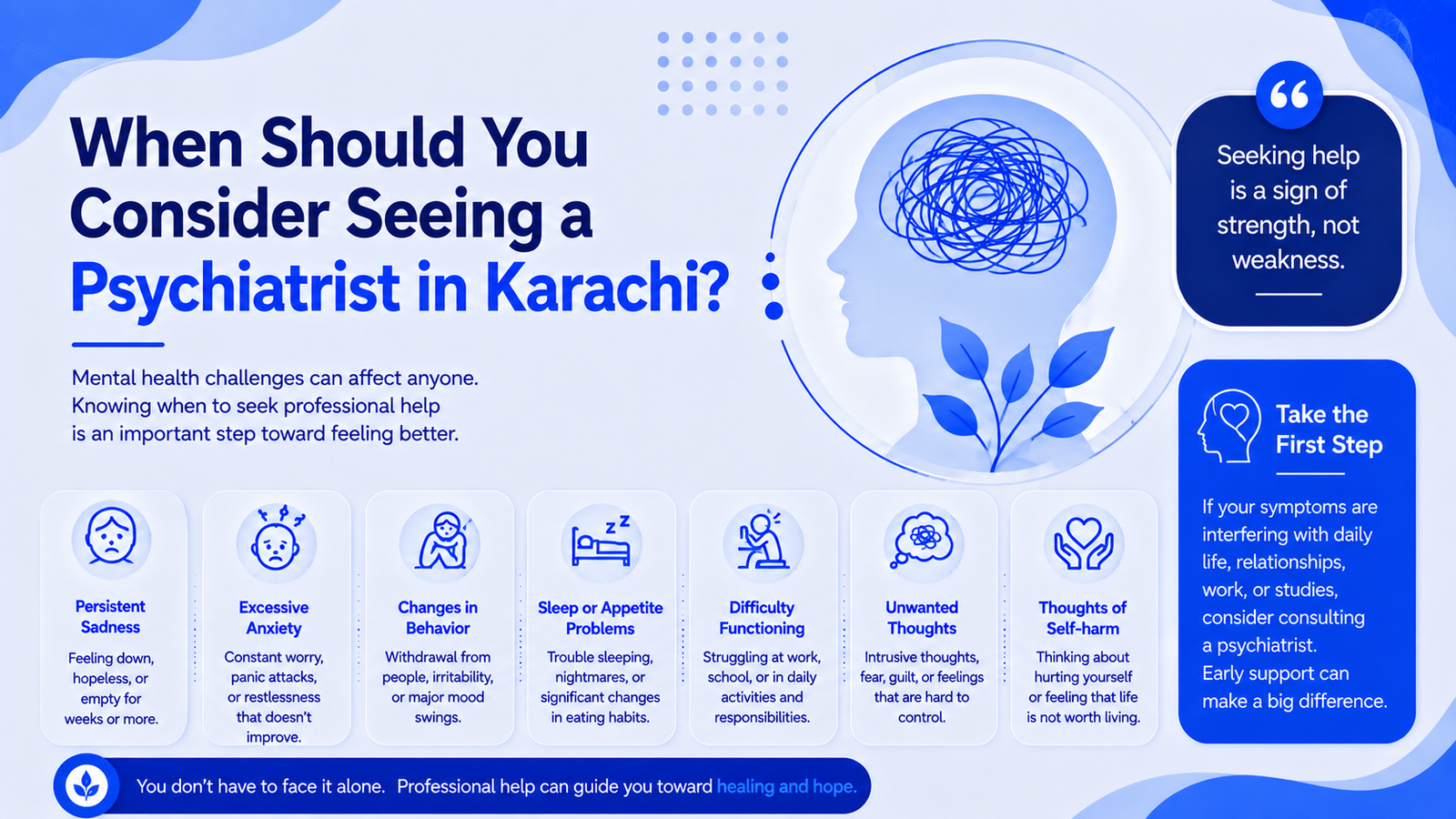
You may want to consult a psychiatrist when mental or emotional symptoms continue for an extended period, become difficult to control, repeatedly return, or begin interfering with sleep, relationships, studies, work, self-care, or normal daily activities.
Seeking psychiatric help does not mean that symptoms must already be extreme.
Early assessment can help clarify what may be contributing to the problem and whether treatment is necessary.
Persistent Anxiety
Anxiety can involve more than occasional nervousness.
Some people experience excessive worry, restlessness, physical tension, difficulty concentrating, racing thoughts, sleep problems, or repeated fear that becomes difficult to control.
If anxiety frequently interferes with normal life, psychiatric evaluation may help determine whether an anxiety disorder or another condition needs treatment.
Depression and Persistent Low Mood
Everyone can feel sad from time to time, but persistent low mood may require professional attention when it is accompanied by loss of interest, hopelessness, low motivation, changes in sleep or appetite, difficulty concentrating, withdrawal, or impaired daily functioning.
A psychiatrist can assess the severity and pattern of symptoms before discussing treatment options.
Panic Attacks
Panic attacks can involve sudden episodes of intense fear accompanied by physical sensations such as rapid heartbeat, trembling, dizziness, chest discomfort, shortness of breath, or a feeling that something terrible is happening.
Because some physical health conditions can produce similar symptoms, appropriate medical evaluation may also be necessary.
Major Mood Changes
Unusually intense shifts in mood, energy, activity, sleep, judgment, or behavior deserve professional assessment, particularly when they are severe or recurrent.
A psychiatrist can evaluate whether symptoms may be associated with a mood disorder or another psychiatric or medical condition.
Obsessive Thoughts or Repetitive Behaviors
Repeated unwanted thoughts and compulsive behaviors can significantly interfere with everyday life.
A psychiatrist can evaluate whether symptoms are consistent with obsessive-compulsive disorder or another problem and discuss appropriate treatment.
Sleep Problems Related to Mental Health
Insomnia and disrupted sleep frequently occur alongside anxiety, depression, stress, and other psychiatric symptoms.
A psychiatrist can look at the relationship between sleep and overall mental health rather than treating sleep disturbance as an isolated issue.
What Happens During a Psychiatric Consultation?
During an initial psychiatric consultation, the psychiatrist usually asks about your current symptoms, how long they have been present, their effect on everyday life, previous medical or mental health problems, medications, sleep, family history, and relevant personal circumstances.
The purpose is to build an accurate clinical picture.
A patient may be asked when symptoms began, what seems to trigger them, whether they occur continuously or in episodes, and whether anything makes them better or worse.
The psychiatrist may also ask about physical health because some medical conditions, medicines, substances, and sleep problems can affect mood, anxiety, thinking, and behavior.
Following the assessment, the psychiatrist may explain possible causes, discuss whether further assessment is necessary, and recommend an individualized treatment approach.
A first consultation should therefore be viewed primarily as an assessment rather than an expectation that medication will automatically be prescribed.
Does Seeing a Psychiatrist Always Mean Taking Medication?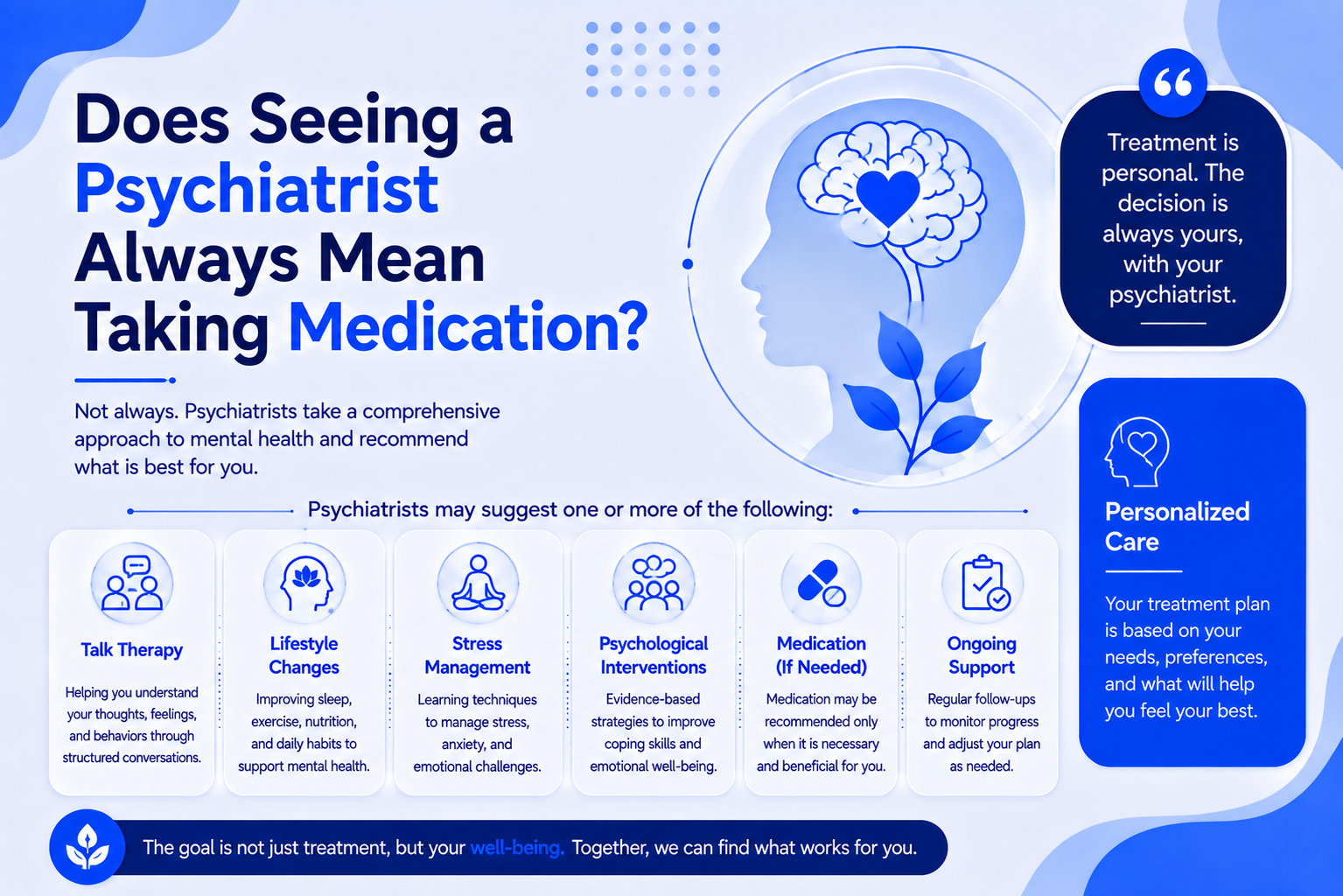
No.
Visiting a psychiatrist does not automatically mean you will be prescribed medication.
Treatment depends on the nature and severity of symptoms, diagnosis, medical history, previous treatment, patient preferences, and other clinical factors.
Medication may be appropriate for some psychiatric conditions, while psychotherapy, psychological intervention, lifestyle changes, monitoring, or combined care may be more suitable in other situations.
When medication is recommended, a psychiatrist can consider medical history, other medicines, potential side effects, treatment response, and follow-up requirements.
Patients should not start, stop, increase, or reduce psychiatric medication without guidance from the prescribing healthcare professional.
Can a Psychiatrist Provide Therapy?
Yes, some psychiatrists provide psychotherapy as part of their practice, while others primarily provide psychiatric assessment and medical management and work alongside psychologists or psychotherapists.
Psychotherapy involves structured psychological approaches designed to help people identify and change difficult patterns of thoughts, emotions, and behavior.
Psychiatric treatment and psychotherapy can therefore complement each other rather than compete with one another.
For example, a psychiatrist may medically assess someone experiencing significant anxiety or depression while psychotherapy addresses patterns of thinking, emotional responses, coping strategies, and behavioral changes.
The exact combination depends on the individual.
How to Choose the Best Therapist or Psychiatrist in Karachi
Choosing the right psychiatrist should be based on professional qualifications, relevant clinical expertise, treatment approach, communication, accessibility, and whether the doctor regularly manages concerns similar to yours—not simply on marketing claims such as “best” or “number one.”
Start by confirming that the professional is appropriately qualified to practice psychiatry.
Then consider the type of patients and conditions they commonly manage.
Mental healthcare covers many areas, and a psychiatrist who regularly works with your type of concern may be more suitable than someone whose practice is focused elsewhere.
Communication is equally important.
You should be able to describe symptoms openly, ask questions, understand why treatment is being recommended, and discuss concerns about medication or therapy.
Practical factors also matter in a city such as Karachi. Location, appointment availability, follow-up scheduling, online consultations where available, fees, and the ability to maintain regular care may all influence whether treatment is sustainable.
What Questions Should You Ask a Psychiatrist?
A useful consultation should leave you with a clearer understanding of what happens next.
You can ask questions such as:
“What could be contributing to my symptoms?”
“Do I need any additional assessment?”
“What treatment options are available?”
“Would therapy, medication, or both be appropriate?”
“What should I expect from treatment?”
“How will progress be monitored?”
“When should I return for follow-up?”
“What should I do if symptoms become worse?”
These questions can help you participate actively in treatment rather than simply receiving instructions without understanding the reasoning behind them.
What Makes a Good Psychiatric Treatment Relationship?
Mental health treatment often works best when communication between the psychiatrist and patient is clear and respectful.
Patients should feel that their concerns are taken seriously and that the treatment plan has been explained in understandable terms.
Good psychiatric care should involve appropriate assessment, realistic expectations, discussion of available treatment options, monitoring, and opportunities for the patient to ask questions.
It is also important to understand that mental health improvement may take time.
Some treatments work gradually, and treatment plans sometimes need adjustment based on symptoms, response, tolerability, and changes in the patient’s circumstances.
Why Continuity of Psychiatric Care Matters
Mental healthcare is not always completed in a single appointment.
Follow-up visits allow a psychiatrist to assess whether symptoms are improving, remaining stable, or worsening.
When medication is being used, follow-up can also help assess response and possible side effects.
When psychotherapy or other interventions are part of the plan, progress can be reviewed against agreed treatment goals.
Changing treatment without professional guidance can make it harder to understand what is helping or contributing to symptoms.
Keeping appointments and discussing changes openly can therefore improve the quality of ongoing clinical decision-making.
Psychiatric Care for Children and Teenagers
Children and adolescents can also experience emotional and behavioral difficulties that require specialist assessment.
Concerns may include significant anxiety, persistent sadness, behavioral changes, attention difficulties, emotional outbursts, school problems, social withdrawal, sleep problems, or other noticeable changes in functioning.
Mental health assessment in younger people needs to consider developmental stage, family circumstances, school environment, physical health, and behavior across different settings.
Parents should avoid assuming that every behavioral problem represents a psychiatric disorder.
A qualified professional can determine whether symptoms are part of typical development, environmental stress, a psychological difficulty, a psychiatric condition, or another issue requiring attention.
Considering Dr. Ilyas Jat for Mental Health Care in Karachi
Patients searching online for the best therapist in Karachi may also come across Dr. Ilyas Jat when exploring psychiatric care in the city.
As with any psychiatrist, the right way to decide whether a doctor is suitable is to consider the type of mental health concern involved, available services, consultation approach, and whether the care offered matches the patient’s individual needs.
For someone uncertain whether their symptoms require therapy, psychiatric evaluation, medication, or a combined approach, an initial consultation can help clarify the appropriate next step.
The goal should not simply be to choose the person described online as “best.” The goal is to receive an appropriate mental health assessment and establish a safe, individualized treatment plan.
When Is Urgent Mental Health Care Needed?
Some mental health situations require immediate attention rather than waiting for a routine psychiatric appointment.
Urgent help should be sought if a person is at immediate risk of harming themselves or someone else, has active suicidal thoughts or plans, is severely confused or disconnected from reality, cannot safely care for themselves, or is experiencing a rapidly escalating psychiatric crisis.
In these circumstances, seek immediate medical or emergency assistance and ensure the person is not left alone when safe to do so.
Routine online information is not a substitute for emergency mental healthcare.
Frequently Asked Questions
Who is the best therapist in Karachi?
There is no single psychiatrist or therapist who is objectively best for everyone. Choose a qualified mental health professional whose expertise, treatment approach, and services match your specific needs.
Is a psychiatrist also a therapist?
A psychiatrist is primarily a medical mental health specialist. Some psychiatrists also provide psychotherapy, while others provide psychiatric assessment and medication management alongside psychologists or therapists.
Should I see a therapist or psychiatrist for anxiety?
It depends on the severity and pattern of symptoms. Mild problems may be managed with psychological therapy, while persistent or severe anxiety may benefit from psychiatric assessment, therapy, medication, or combined treatment.
Can a psychiatrist treat depression?
Yes. Psychiatrists evaluate and treat depression and can recommend psychotherapy, medication, or a combination depending on individual circumstances.
Can a psychiatrist prescribe medicine?
Yes. Because psychiatrists are medically trained doctors, they can prescribe psychiatric medication when clinically appropriate.
Do I need a psychiatrist for panic attacks?
Repeated or severe panic attacks should be professionally evaluated. A psychiatrist can assess whether symptoms may be related to panic disorder, anxiety, another psychiatric condition, or whether medical evaluation is also needed.
How long does psychiatric treatment take?
There is no fixed duration. It depends on the condition, severity, treatment approach, response to treatment, and individual circumstances.
Can children see a psychiatrist?
Yes. Children and adolescents experiencing significant emotional, behavioral, or developmental mental health concerns may benefit from assessment by an appropriately trained mental health professional.
Conclusion
Searching for the best therapist in Karachi often reflects a broader need for professional mental health support.
If symptoms involve persistent anxiety, depression, panic attacks, severe mood changes, obsessive thoughts, major sleep difficulties, behavioral changes, or significant disruption to everyday life, a psychiatrist may be an appropriate professional to consult.
Psychiatrists can evaluate mental health conditions medically, establish a diagnosis when appropriate, prescribe medication, and recommend or coordinate psychotherapy as part of an individualized treatment plan.
If you are considering Dr. Ilyas Jat or another psychiatrist in Karachi, focus on whether the doctor’s professional role, services, clinical approach, and treatment options fit your particular needs.
The most useful goal is not simply finding someone labelled the “best,” but finding appropriate psychiatric care where you can discuss your symptoms openly, understand your treatment options, and receive suitable follow-up.