Bipolar Affective Disorder | Published: January 8, 2026
Summarize this post with
Bipolar affective disorder is a long term mental health condition that affects a pperson’smood, energy level, thinking, and daily functioning. A person with bipolar affective disorder experiences extreme emotional changes that include episodes of very high mood and very low mood.
These mood changes are not normal ups and downs of life but are intense and can disturb work relationships and personal life.
Bipolar affective disorder can affect people of any age, but it usually starts in late teenage years or early adulthood. Many people live with this condition for years without pa roper diagnosis because the symptoms often appear at different times. With the right medical care, therapy, and lifestyle management, people can live a stable and productive life.
Understanding bipolar affective disorder is important because early diagnosis and proper treatment can reduce the severity of episodes and improve quality of life.
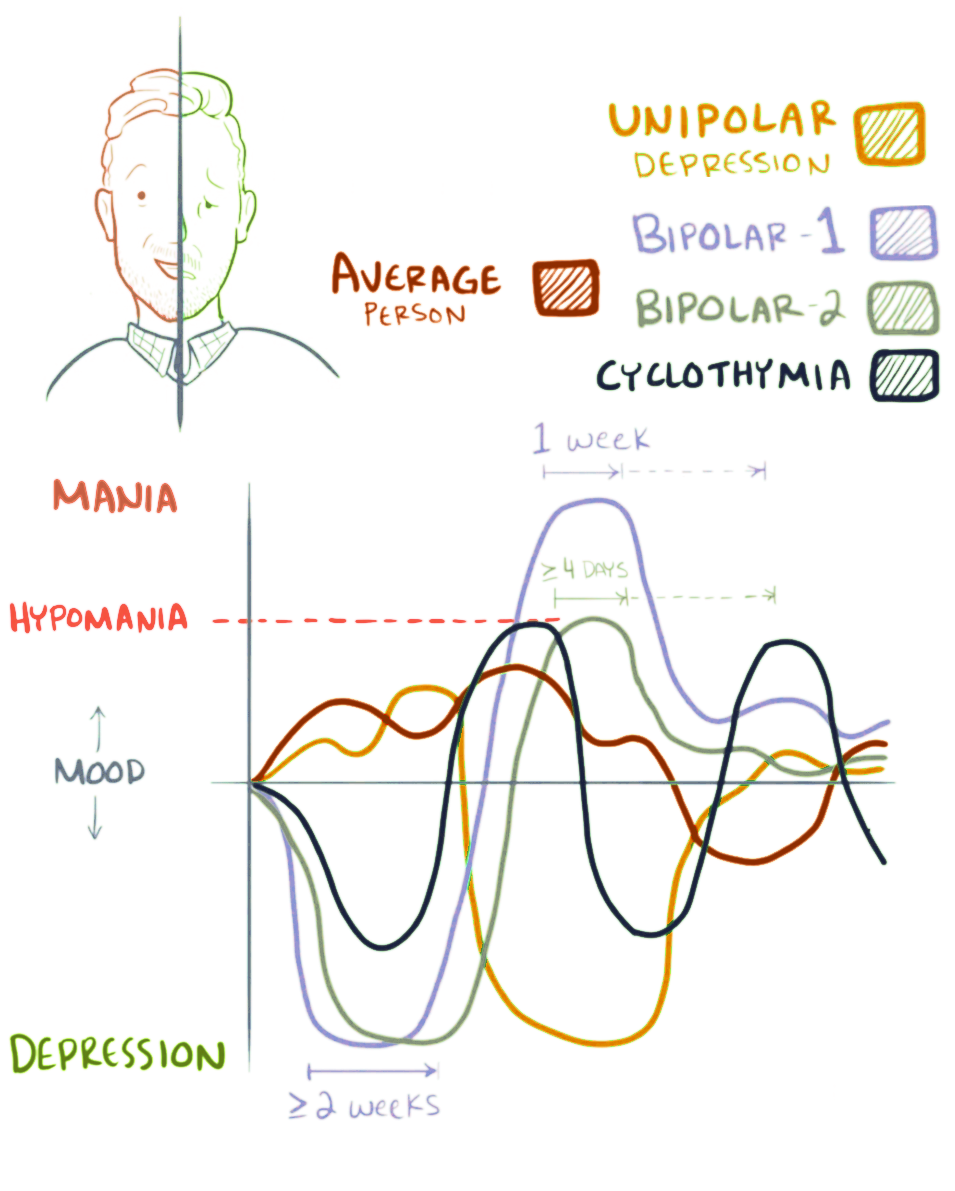
Bipolar affective disorder is a mental illness where a person experiences alternating periods of elevated mood, known as mania or hypomania, and periods of depression. These episodes can last for days, weeks, or even months. Between episodes, some people feel completely normal while others may continue to experience mild symptoms.
During manic episodes, a person may feel extremely energetic, confident, and overly happy. During depressive episodes, the same person may feel sad, hopeless, tired, and lose interest in daily activities. These mood shifts are strong and can affect judgment, behavior, and physical health.
Mental health professionals diagnose bipolar affective disorder based on symptoms, medical history, and psychological evaluation.
Doctors classify bipolar affective disorder into different types depending on the pattern and severity of mood episodes. Bipolar disorder involves severe manic episodes that may require hospital care. Bipolar two disorder includes depressive episodes with milder manic symptoms called hypomania. Cyclothymic disorder involves frequent mood swings that are less severe but long lasting.
Each type of bipolar affective disorder needs a personalized treatment plan. Proper diagnosis helps doctors choose the right medication and therapy.
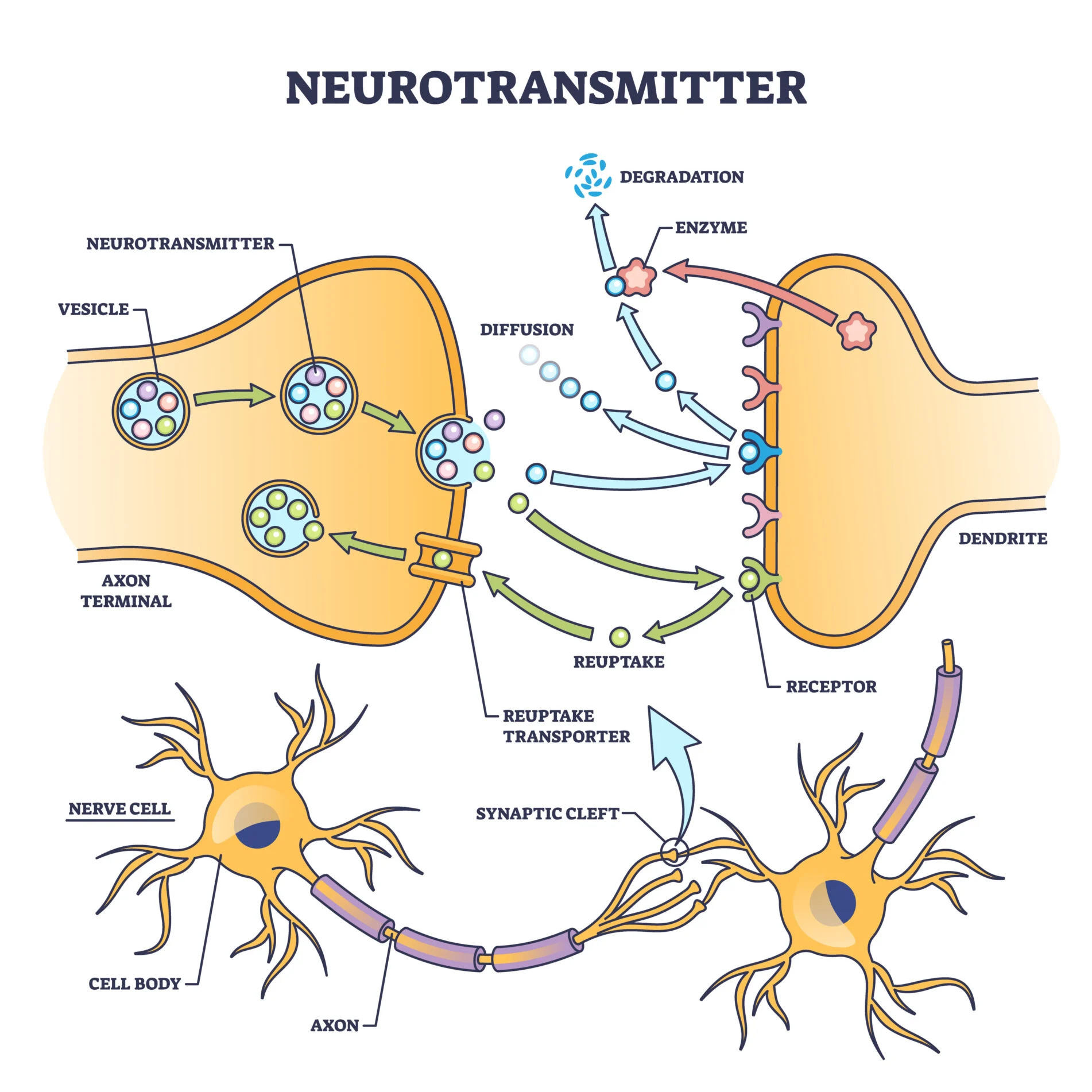
The exact causes of bipolar affective disorder are not fully understood, but research shows that several factors work together. Genetics plays an important role because people with a family history of mood disorders have a higher risk. Brain chemistry also affects how mood is regulated. Imbalance in neurotransmitters can influence emotional stability.
Stressful life events such as trauma, loss, or major life changes can trigger mood episodes in people who are already vulnerable. Lack of sleep, substance use, and chronic stress may also worsen symptoms. Medical conditions and hormonal changes can sometimes contribute to mood instability.
Understanding the causes of bipolar affective disorder helps doctors design better prevention and treatment strategies.
The signs and symptoms of bipolar affective disorder vary from person to person and depend on the type of mood episode. Symptoms can affect emotions, thoughts, behavior, and physical health.
During a manic phase, a person may feel unusually energetic and active. They may talk very fast, have racing thoughts, and feel extremely confident. Sleep needs decrease, and the person may feel no tiredness. Risk taking behavior, such as overspending or impulsive decisions, can occur.
In depressive episodes, a person may feel deep sadness, emptiness, or hopelessness. Energy levels drop, and daily tasks feel difficult. Sleep and appetite may change. Concentration becomes poor, and negative thoughts increase. In severe cases, thoughts of self harm may appear and require immediate medical attention.
The following bullet points are used only here as requested.
Recognizing early signs and symptoms of bipolar affective disorder can help in seeking timely medical care.
Bipolar affective disorder can affect relationships, work performance, and self esteem. Mood swings can create misunderstandings with family and friends. During manic episodes, people may make decisions they later regret. During the depressive phases, they may withdraw from social life and responsibilities.
Without treatment, bipolar affective disorder may lead to financial problems, job loss, and emotional distress. With proper support therapy and medication, many people manage symptoms and maintain a balanced lifestyle.
Doctors diagnose bipolar affective disorder through a detailed mental health evaluation. They review symptoms, duration, mood pattern,s and family history. Sometimes physical exams and lab tests are done to rule out other medical conditions.
Accurate diagnosis is essential because treatment for bipolar affective disorder differs from other mental health conditions, such as depression or anxiety. Misdiagnosis can delay recovery and worsen symptoms.
Treatment for bipolar affective disorder usually includes medication, psychotherapy, and lifestyle changes. Doctors prescribe mood stabilizers, antipsychotic medicines, or antidepressants depending on symptoms. Therapy helps patients understand their condition, manage stress, and improve coping skills.
Healthy habits such as regular sleep balanced diet, exercise, and avoiding substance use support recovery. Family education also plays an important role in long term management.
Treatment is ongoing and may change over time based on symptom control and patient response.
Living with bipolar affective disorder requires patience self awareness and consistent medical care. People learn to recognize early warning signs and seek help before symptoms worsen. Support from family, friends, and mental health professionals makes a big difference.
With the right treatment plan, many people with bipolar affective disorder live successful, fulfilling lives. Awareness and acceptance reduce stigma and encourage people to seek help without fear.
Early treatment of bipolar affective disorder can prevent severe episodes and long term complications. Delayed care increases the risk of frequent mood swings, relationship problems, and physical health issues. Timely diagnosis improves treatment response and quality of life.
Mental health should be treated with the same importance as physical health. Professional guidance ensures safe and effective care.
Raising awareness about bipolar affective disorder helps reduce myths and misunderstandings. Many people think mood swings are a personal weakness, but this condition is a medical illness that needs proper treatment. Education encourages compassion and support.
Mental health awareness also promotes early screening and reduces social stigma. This leads to better outcomes for patients and families.
Bipolar affective disorder is a mental health condition in which a person experiences extreme changes in mood, energy, and thinking. These changes include periods of very high mood, known as mania, and periods of very low mood, known as depression. These mood shifts are stronger than normal emotional changes and can affect daily life, relationships, and decision making.
There is no major difference between bipolar and bipolar affective disorder. Both terms describe the same mental health condition. Bipolar affective disorder is the formal medical term, while bipolar disorder is the commonly used short name. Doctors may use either term depending on clinical or general communication.
Common signs of bipolar disorder include extreme mood changes, unusual increase in energy, reduced need for sleep, periods of deep sadness or loss of interest, and difficulty focusing on daily tasks. These signs do not appear all the time but occur in episodes that may last days or weeks.
Yes, a person can live a normal and productive life with bipolar disorder if they receive proper treatment and follow medical advice. Regular medication therapy healthy sleep routine, and stress management help control symptoms. Many people with bipolar disorder successfully maintain relationships and enjoy a stable life.
Triggers of bipolar affective disorder include high stress, lack of sleep, emotional trauma, substance use, and major life changes. These triggers do not cause the condition by themselves but can activate mood episodes in people who are already vulnerable. Managing triggers helps reduce the frequency and intensity of episodes.
Bipolar affective disorder is a serious mental health condition, but it is manageable with proper care. Without treatment, it can disrupt personal and professional life. With early diagnosis, ongoing treatment, and support, most people achieve long term stability and improved quality of life.
Bipolar affective disorder is a complex mental health condition that affects mood, behavior, and daily life. With proper understanding, early diagnosis, and professional treatment, bipolar affective disorder can be managed effectively.
Medical care, therapy, and lifestyle support help individuals regain stability and confidence. Seeking help is a sign of strength and the first step toward long term wellbeing.