

Mental health is just as important as physical health, yet many people delay getting help because they are unsure where to start.
Counselling doctors provide professional guidance, emotional support, and evidence-based treatments that help people manage stress, anxiety, depression, trauma, and many other emotional challenges.
Seeking help early can improve your quality of life, relationships, and overall wellbeing.
Whether you are dealing with workplace stress, family conflicts, panic attacks, or persistent sadness, a qualified mental health professional can create a personalized treatment plan.
This guide explains what counselling doctors do, when you should visit one, the different types of specialists available, and how counselling can help people of all ages.
What Are Counselling Doctors?
Counselling doctors are healthcare professionals who help people cope with emotional, psychological, and behavioral challenges.
Depending on their qualifications, they may include psychiatrists, psychologists, counseling physicians, psychotherapy doctors, and clinical psychologists.
These professionals assess emotional concerns, identify possible mental health conditions, and recommend therapies that support long-term recovery.
Their goal is not only to reduce symptoms but also to improve emotional resilience, communication skills, and daily functioning.
Many counselling doctors work alongside other healthcare providers to deliver complete mental health care.
This collaborative approach often leads to better outcomes for patients experiencing anxiety disorders, depression, stress, obsessive-compulsive disorder, PTSD, bipolar disorder, or relationship difficulties.
Why Mental Health Counselling Matters
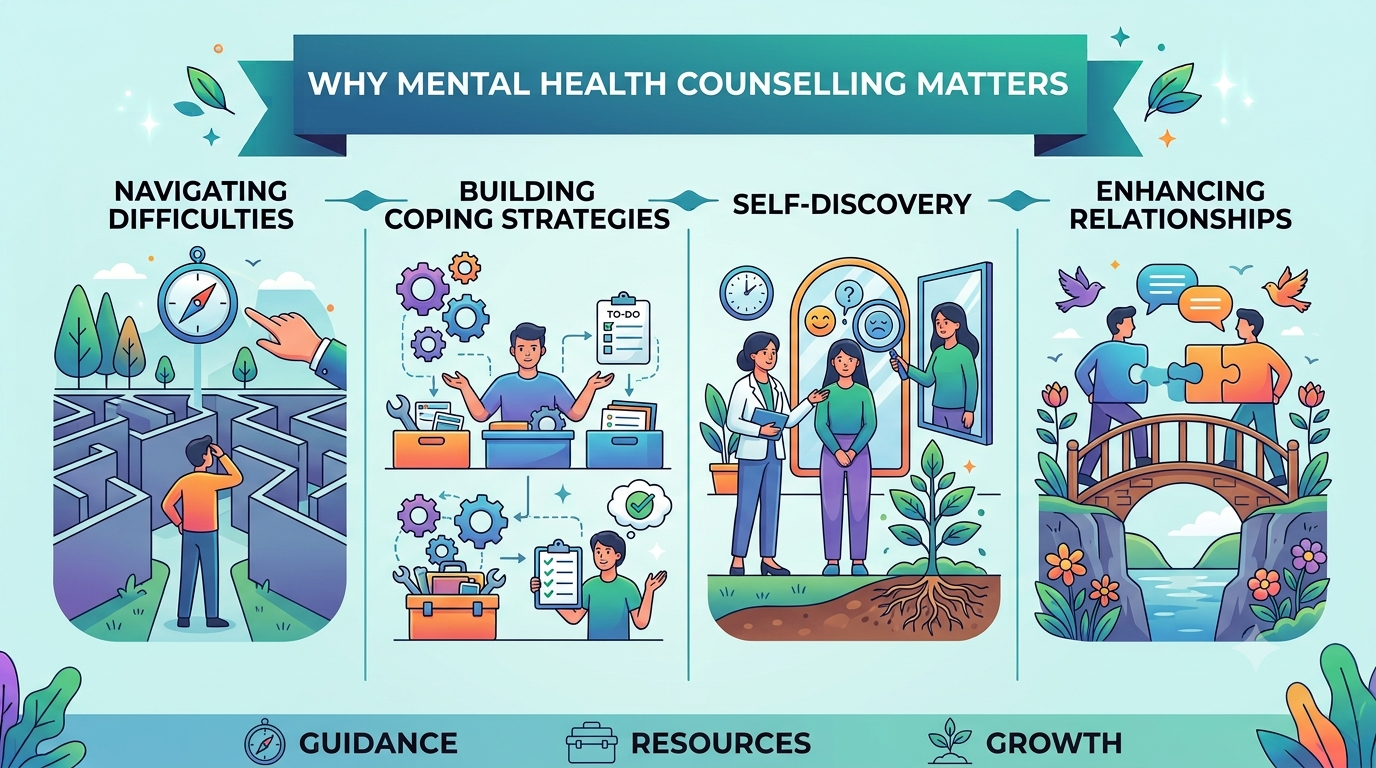
Mental health influences every aspect of life, including work performance, family relationships, sleep quality, and physical health.
Ignoring emotional problems can make them more difficult to manage over time.
Professional counselling services help individuals identify unhealthy thought patterns, develop healthy coping strategies, and build confidence during challenging situations.
Research has shown that evidence based therapies, including cognitive behavioral therapy (CBT), psychotherapy, and behavioral therapy, are highly effective for many common mental health conditions.
Early intervention also reduces the risk of symptoms becoming more severe.
Counselling is not only for people with diagnosed mental illnesses.
Many individuals seek support during major life changes, career transitions, grief, or relationship problems.
Signs You Should Visit Counselling Doctors
The following situations may indicate that professional mental health support could be beneficial:
- Persistent anxiety or excessive worrying that affects daily life.
- Ongoing sadness, hopelessness, or loss of motivation.
- Panic attacks or frequent feelings of fear.
- Difficulty sleeping because of emotional stress.
- Workplace burnout or chronic stress.
- Relationship conflicts that continue despite repeated efforts.
- Anger that feels difficult to control.
- Emotional trauma after an accident or distressing event.
- Low self-esteem that limits personal or professional growth.
- Grief that continues to interfere with normal daily activities.
Recognizing these signs early allows people to receive timely care before emotional concerns become more complex.
Types of Counselling Doctors and Mental Health Specialists
People often confuse different mental health professionals because their roles sometimes overlap.
Each specialist contributes unique expertise depending on the patient’s condition.
Specialist | Primary Role | Common Treatments | Can Prescribe Medication? |
Psychiatrist | Diagnoses mental illnesses and manages medical treatment | Medication, psychotherapy | Yes |
Clinical Psychologist | Performs psychological assessment and therapy | CBT, psychotherapy, behavioral therapy | No |
Psychotherapist | Provides structured talk therapy | Individual therapy, group counselling | Usually No |
Licensed Counsellor | Helps with emotional and behavioral concerns | Counselling sessions, stress management | No |
Counseling Physician | Evaluates both emotional and physical health factors | Therapy referrals, mental health guidance | Sometimes, depending on qualifications |
Choosing the right professional depends on your symptoms, treatment goals, and whether medication is needed.
Conditions Treated by Counselling Doctors
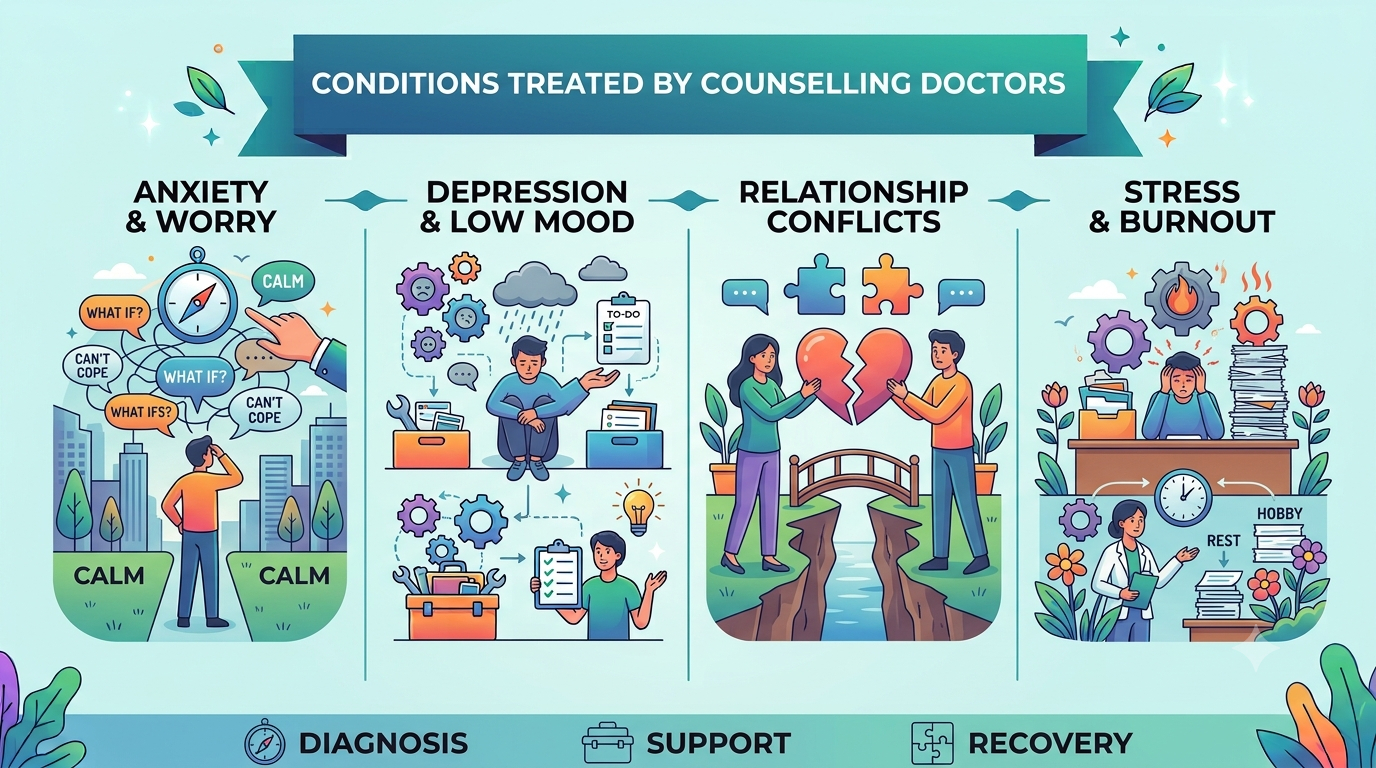
Counselling doctors help people experiencing a wide range of emotional and psychological conditions.
Many patients seek treatment before symptoms become severe, while others receive support alongside medical treatment for diagnosed mental health disorders.
Common conditions include anxiety disorder, depression, stress-related illnesses, panic attacks, social anxiety, emotional trauma, grief and loss, obsessive compulsive disorder, bipolar disorder, eating disorders, workplace burnout, relationship issues, anger management difficulties, insomnia, and post traumatic stress disorder.
Children, teenagers, adults, couples, and older adults can all benefit from professional counselling services tailored to their individual needs.
Benefits of Seeing Counselling Doctors
- Receive a professional psychological assessment tailored to your concerns.
- Learn healthier ways to manage stress and emotional pressure.
- Improve communication skills in personal and professional relationships.
- Build confidence and emotional resilience during difficult situations.
- Develop practical coping strategies for anxiety and depression.
- Address trauma in a safe and confidential environment.
- Improve sleep, concentration, and overall mental wellness.
- Gain long term skills that support emotional wellbeing even after therapy ends.
These benefits often extend beyond mental health by improving productivity, relationships, and physical wellbeing.
How Counselling Doctors Diagnose Mental Health Conditions
Every person’s experience is unique, so diagnosis involves much more than a simple conversation.
Counselling doctors conduct comprehensive psychological assessments that may include structured interviews, standardized questionnaires, medical history reviews, lifestyle evaluations, and discussions about family history.
The purpose of this assessment is to identify the factors contributing to emotional distress rather than simply labeling symptoms.
Doctors also evaluate whether physical health conditions, medications, or substance use could be affecting emotional wellbeing.
Accurate assessment allows healthcare professionals to recommend the most effective treatment plan for each individual.
Treatment Options Recommended by Counselling Doctors
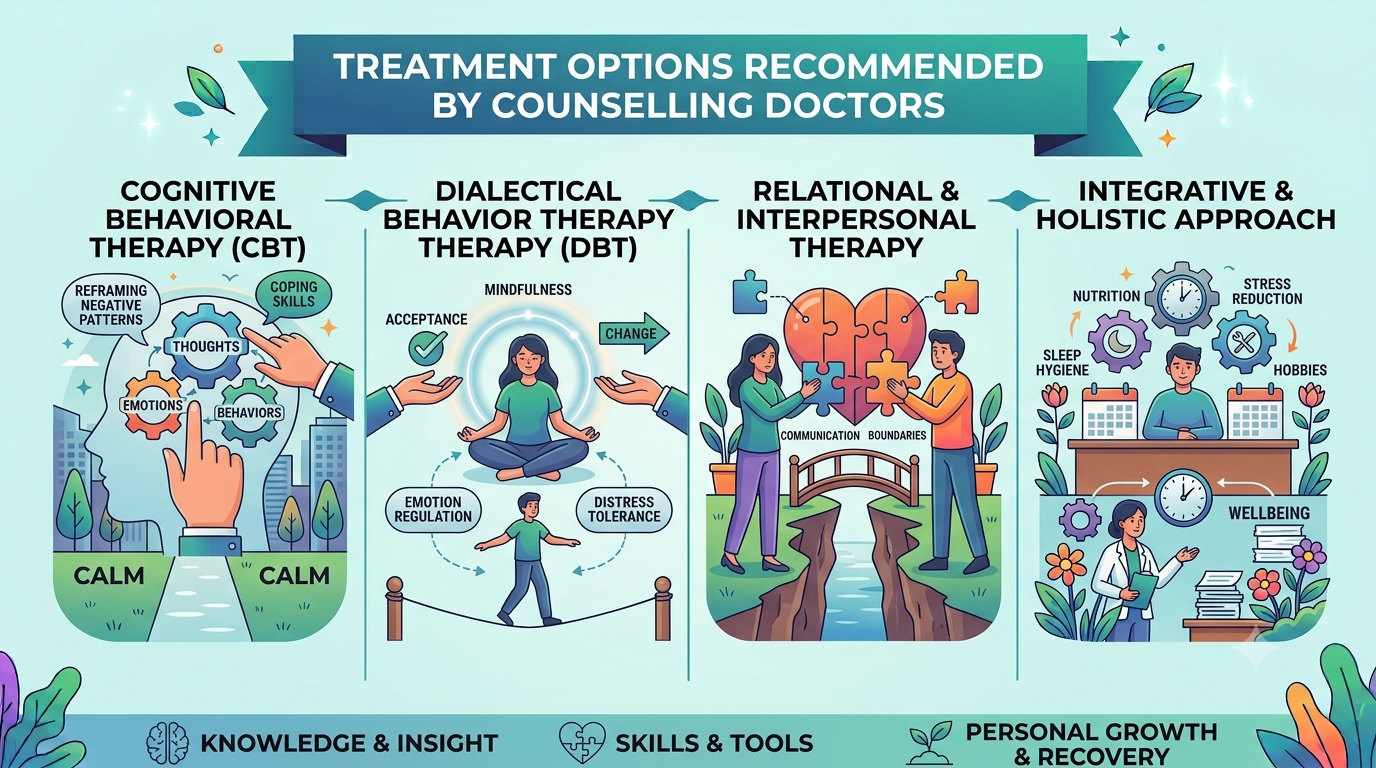
Treatment plans are personalized based on the patient’s symptoms, goals, age, and overall health.
Many people benefit from a combination of therapeutic approaches that work together to improve emotional wellness.
Common Treatment Approaches
- Individual psychotherapy that focuses on personal emotional challenges.
- Cognitive behavioral therapy (CBT) for changing unhealthy thought patterns.
- Family therapy to improve communication and resolve conflicts.
- Couples therapy for relationship counselling.
- Group counselling that encourages shared learning and peer support.
- Stress management therapy for workplace or personal stress.
- Medication management when prescribed by qualified psychiatrists.
- Lifestyle guidance, including sleep habits, exercise, and mindfulness practices.
These evidence-based treatments help patients develop healthier coping skills while addressing the root causes of emotional distress.
How Cognitive Behavioral Therapy Helps
One of the most effective treatments recommended by counselling doctors is Cognitive Behavioral Therapy (CBT).
CBT is an evidence-based form of psychotherapy that helps people identify negative thinking patterns and replace them with healthier, more realistic thoughts.
For example, a person experiencing anxiety may constantly expect the worst possible outcome in everyday situations.
During CBT sessions, the therapist helps the individual recognize these automatic thoughts, evaluate whether they are accurate, and develop healthier responses.
CBT is commonly used for:
- Anxiety disorders
- Depression
- Panic attacks
- Obsessive compulsive disorder (OCD)
- Post traumatic stress disorder (PTSD)
- Social anxiety
- Stress-related conditions
- Insomnia associated with anxiety
Most patients gradually notice improvements after attending regular counselling sessions and practicing the techniques they learn between appointments.
Individual, Family, Couples, and Child Counselling
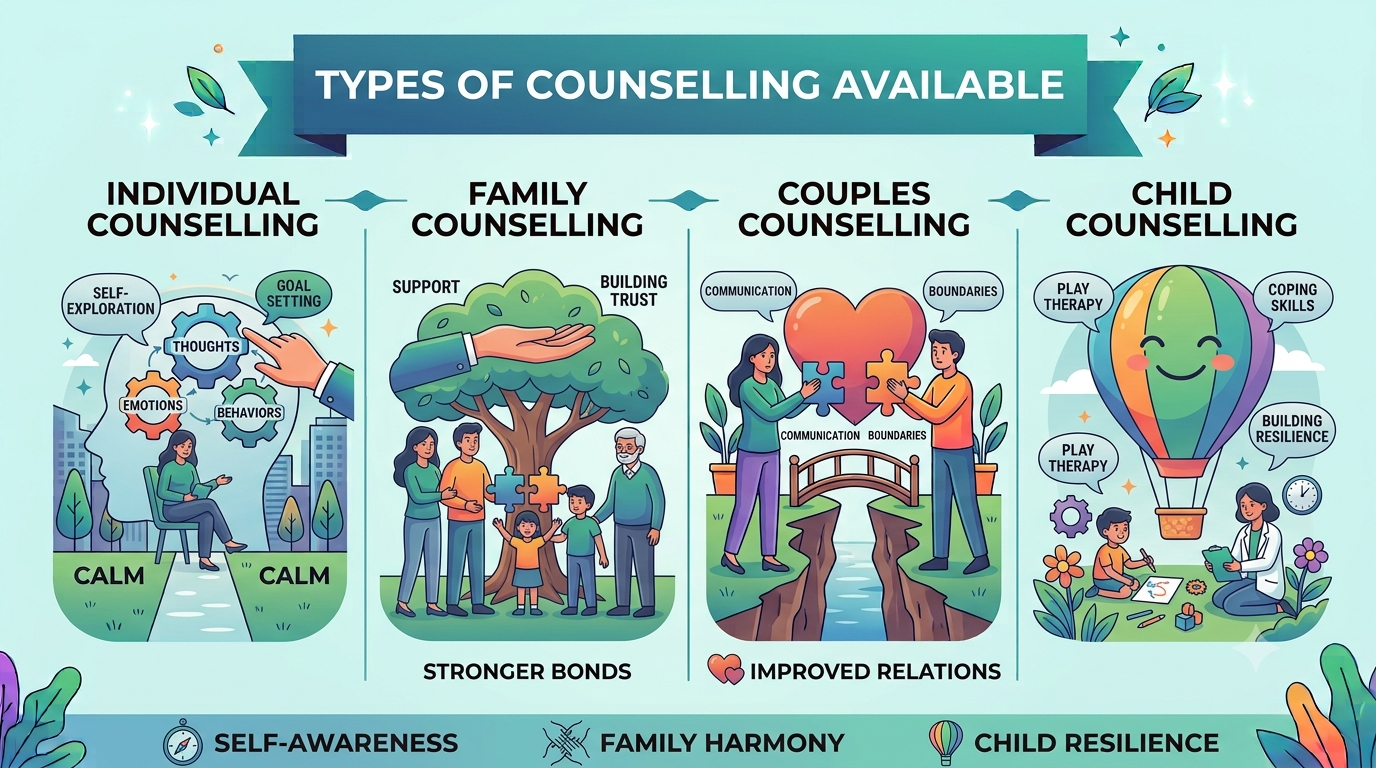
Different emotional challenges require different counselling approaches.
Counselling doctors recommend therapy based on each person’s situation rather than using a single method for everyone.
Individual therapy focuses on one person’s emotional wellbeing.
It is often recommended for anxiety, depression, grief, trauma, stress management, and self esteem concerns.
Family therapy helps family members improve communication, resolve conflicts, and support one another during difficult situations.
It is particularly valuable when emotional issues affect the entire household.
Couples therapy helps partners strengthen communication, rebuild trust, resolve recurring disagreements, and develop healthier relationship habits.
Marriage counselling doctors often use structured techniques that encourage respectful discussion and practical problem solving.
Child and adolescent counselling is designed for younger individuals who may experience school stress, behavioral concerns, emotional difficulties, bullying, family changes, or anxiety.
Sessions are adjusted according to the child’s age and developmental stage.
Selecting the right type of therapy increases the likelihood of meaningful progress while ensuring treatment addresses the person’s specific needs.
Is Online Counselling Effective?
Online counselling has become increasingly popular because it offers flexibility and easier access to mental health care.
Many counselling doctors now provide secure virtual consultations through video calls or other confidential communication platforms.
Research indicates that online counselling can be highly effective for many conditions, including anxiety, mild to moderate depression, stress management, relationship concerns, and emotional support during major life transitions.
Virtual appointments may be especially helpful for people who:
- Live in remote areas.
- Have limited mobility.
- Travel frequently for work.
- Prefer receiving support from home.
- Have busy schedules that make clinic visits difficult.
Although online therapy works well for many individuals, severe psychiatric emergencies still require immediate in-person medical care.
How to Choose the Best Counselling Doctor
Finding the right professional can make a significant difference in your mental health journey.
Instead of selecting the first available provider, take time to evaluate their qualifications, experience, and treatment approach.
When choosing a counselling doctor, consider educational credentials, professional licensing, experience treating your specific condition, communication style, confidentiality policies, and availability for follow-up sessions.
A good counselling doctor creates a safe environment where patients feel respected, listened to, and involved in treatment decisions.
The relationship between patient and therapist plays an important role in successful therapy.
Common Mistakes People Make Before Seeking Counselling
Many people postpone getting professional help because of common misconceptions.
Delaying treatment can allow emotional difficulties to become more challenging over time.
One common mistake is believing emotional struggles will simply disappear without support.
While some stressful situations improve naturally, persistent anxiety, depression, or trauma often require professional care.
Another mistake is expecting immediate results after only one counselling session.
Emotional healing is usually a gradual process that requires consistent participation and patience.
Some individuals also stop therapy as soon as they begin feeling better. Completing the recommended treatment plan helps strengthen coping skills and reduces the likelihood of future difficulties.
Choosing treatment based only on online reviews without checking professional qualifications is another avoidable mistake.
Experience, licensing, and compatibility should all be considered.
Expert Recommendations for Better Mental Wellness
Mental health professionals consistently encourage people to combine counselling with healthy daily habits.
Therapy often becomes even more effective when supported by positive lifestyle choices.
Maintaining a regular sleep schedule, engaging in physical activity, eating nutritious meals, practicing relaxation techniques, and staying socially connected all contribute to emotional wellbeing.
Experts also recommend seeking help early rather than waiting until symptoms interfere with work, relationships, or physical health.
Early intervention often leads to faster improvement and better long-term outcomes.
Keeping realistic expectations is equally important.
Progress may occur gradually, with small improvements building into meaningful long term change.
Real World Example
Imagine a working professional who begins experiencing constant workplace stress after taking on additional responsibilities.
At first, they notice occasional difficulty sleeping and increased irritability.
Over several weeks, these symptoms develop into persistent anxiety, reduced concentration, and frequent panic attacks before important meetings.
A counselling doctor performs a psychological assessment and recommends weekly Cognitive Behavioral Therapy sessions along with practical stress management techniques.
The patient learns relaxation exercises, identifies unhelpful thinking patterns, and develops healthier coping strategies for workplace challenges.
After several months of consistent therapy and applying these techniques in daily life, the individual reports improved confidence, better sleep quality, lower stress levels, and greater productivity at work.
This example shows how timely professional support can positively influence both emotional wellbeing and everyday functioning.
Frequently Asked Questions
What does a counselling doctor do?
A counselling doctor assesses emotional and psychological concerns, provides professional guidance, recommends appropriate therapies, and helps patients develop healthier coping strategies.
Depending on their qualifications, they may also diagnose mental health conditions and prescribe medication.
When should I see a counselling doctor?
You should consider seeing a counselling doctor if you experience persistent anxiety, depression, panic attacks, overwhelming stress, grief, relationship difficulties, sleep problems related to emotional distress, or mood changes that interfere with daily life.
Can counselling help with anxiety and depression?
Yes. Counselling is one of the most effective treatments for anxiety and depression. Approaches such as Cognitive Behavioral Therapy (CBT), psychotherapy, and other evidence-based techniques help patients manage symptoms, improve emotional resilience, and build healthier thinking patterns.
What is the difference between a psychologist and a psychiatrist?
A psychologist primarily provides psychological assessments and therapy but generally does not prescribe medication.
A psychiatrist is a medical doctor who diagnoses mental health disorders, prescribes medication when necessary, and may also provide psychotherapy.
Is online counselling effective?
For many people, online counselling is an effective option.
It provides convenient access to licensed professionals and can successfully treat anxiety, stress, depression, relationship concerns, and many other common mental health challenges when delivered through secure and confidential platforms.
Conclusion
Taking care of your mental health is a crucial aspect of living a healthy and balanced life.
Counselling doctors help people overcome anxiety, depression, stress, trauma, relationship challenges, and many other emotional concerns through evidence-based therapies and personalized care.
Whether you need short term guidance during a difficult period or ongoing treatment for a mental health condition, seeking professional support early can lead to better emotional wellbeing and improved daily functioning.
Choosing a qualified mental health professional and actively participating in counselling sessions can make a lasting positive difference for individuals and families alike.