

Depression is more than feeling sad after a difficult day. It is a medical condition that affects
emotions, thoughts, physical health, work, and relationships.
Millions of people experience depression every year, yet many delay seeking professional care because they are unsure which healthcare provider to consult.
Choosing the right doctor for depression can make a significant difference in recovery and long-term mental wellness.
This guide explains the types of depression specialists, how depression is diagnosed, available treatment options, and practical advice for selecting the best healthcare professional.
Whether symptoms are mild or severe, early medical support often leads to better outcomes and improved quality of life.
What Is Depression?
Depression, also known as major depressive disorder, is a common mental health condition that affects mood, energy, concentration, appetite, sleep, and motivation.
Unlike temporary sadness, depression lasts for weeks or months and interferes with everyday activities.
People of all ages can develop depression, including teenagers, adults, and older individuals. Genetics, brain chemistry, stressful life events, chronic illness, trauma, and environmental factors may all contribute to its development.
Healthcare professionals diagnose depression using clinical interviews, symptom assessments, medical history, and standardized screening tools.
Why Early Treatment Matters
Receiving professional care early can prevent symptoms from becoming more severe.
Untreated depression may affect work performance, family life, education, physical health, and social relationships.
Early diagnosis also helps identify related conditions such as anxiety disorders, bipolar disorder, thyroid problems, vitamin deficiencies, or substance use disorders that may require different treatment approaches.
Seeking timely medical attention improves the chances of successful recovery and reduces the risk of future episodes.
Who Is the Best Doctor for Depression?
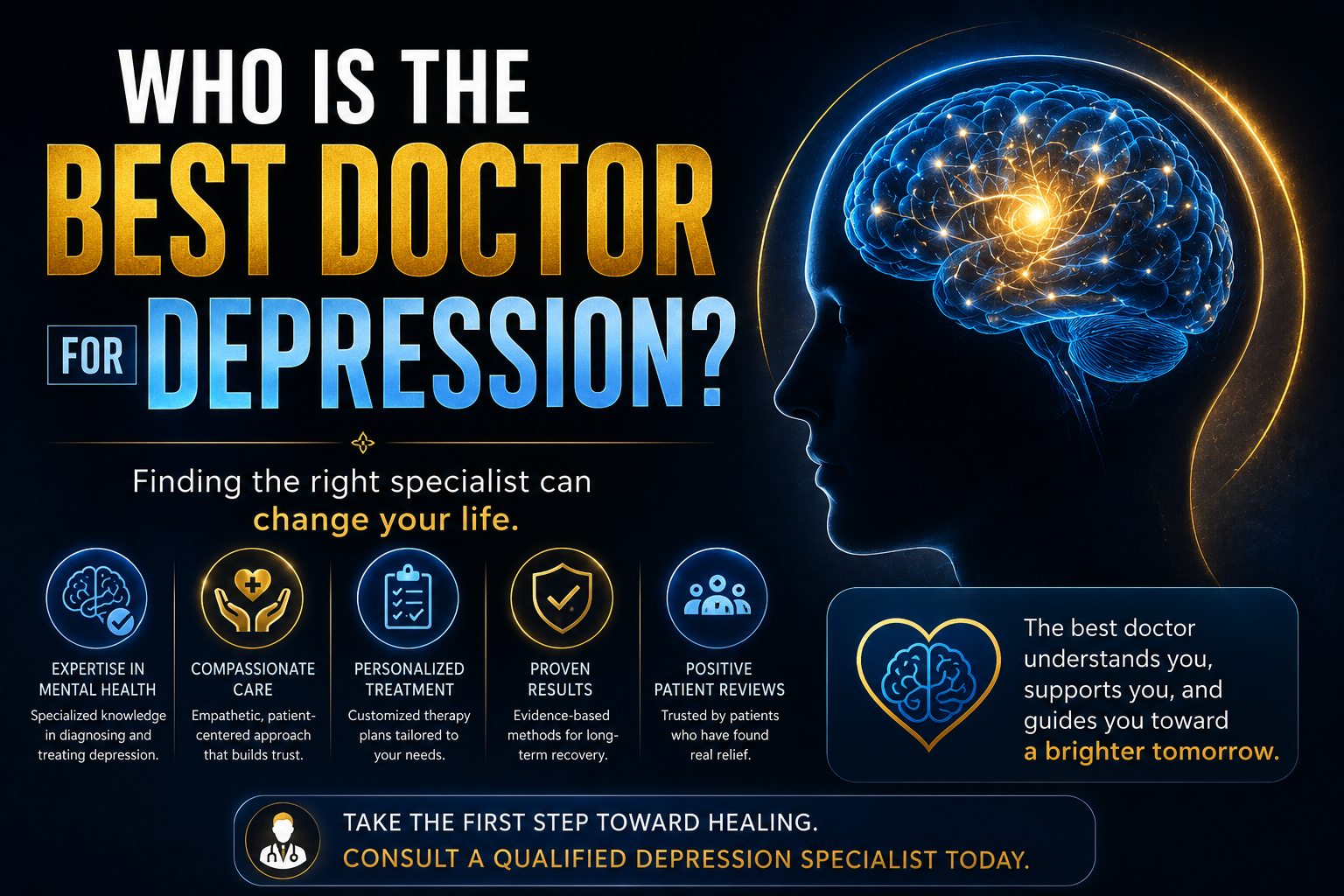
Different healthcare professionals play important roles in depression care.
The best choice depends on symptom severity, medical history, and individual treatment needs.
Primary Care Physician
Many people first visit their family doctor when experiencing persistent sadness, fatigue, or changes in sleep. Primary care physicians can:
- Perform an initial evaluation.
- Rule out medical causes.
- Prescribe first-line antidepressants.
- Refer patients to specialists when necessary.
Psychiatrist for Depression
A psychiatrist for depression is a medical doctor specializing in mental health disorders. Psychiatrists are qualified to:
- Diagnose complex mental illnesses.
- Prescribe psychiatric medications.
- Adjust medication plans.
- Treat severe or treatment-resistant depression.
- Manage depression alongside anxiety, bipolar disorder, or other psychiatric conditions.
Individuals with severe symptoms often benefit from consulting a depression specialist doctor with advanced psychiatric expertise.
Psychologist
Psychologists focus on psychological assessment and evidence-based psychotherapy.
They help patients identify thought patterns, emotional triggers, and coping strategies through structured counseling approaches.
Unlike psychiatrists, psychologists generally do not prescribe medication in most regions.
Licensed Therapist or Counselor
Licensed therapists provide supportive counseling for mild to moderate depression. Common therapy approaches include:
- Cognitive Behavioral Therapy (CBT)
- Interpersonal Therapy (IPT)
- Behavioral Activation
- Mindfulness-Based Cognitive Therapy
These professionals often work alongside psychiatrists and primary care physicians.
Signs That You Should See a Depression Specialist Doctor
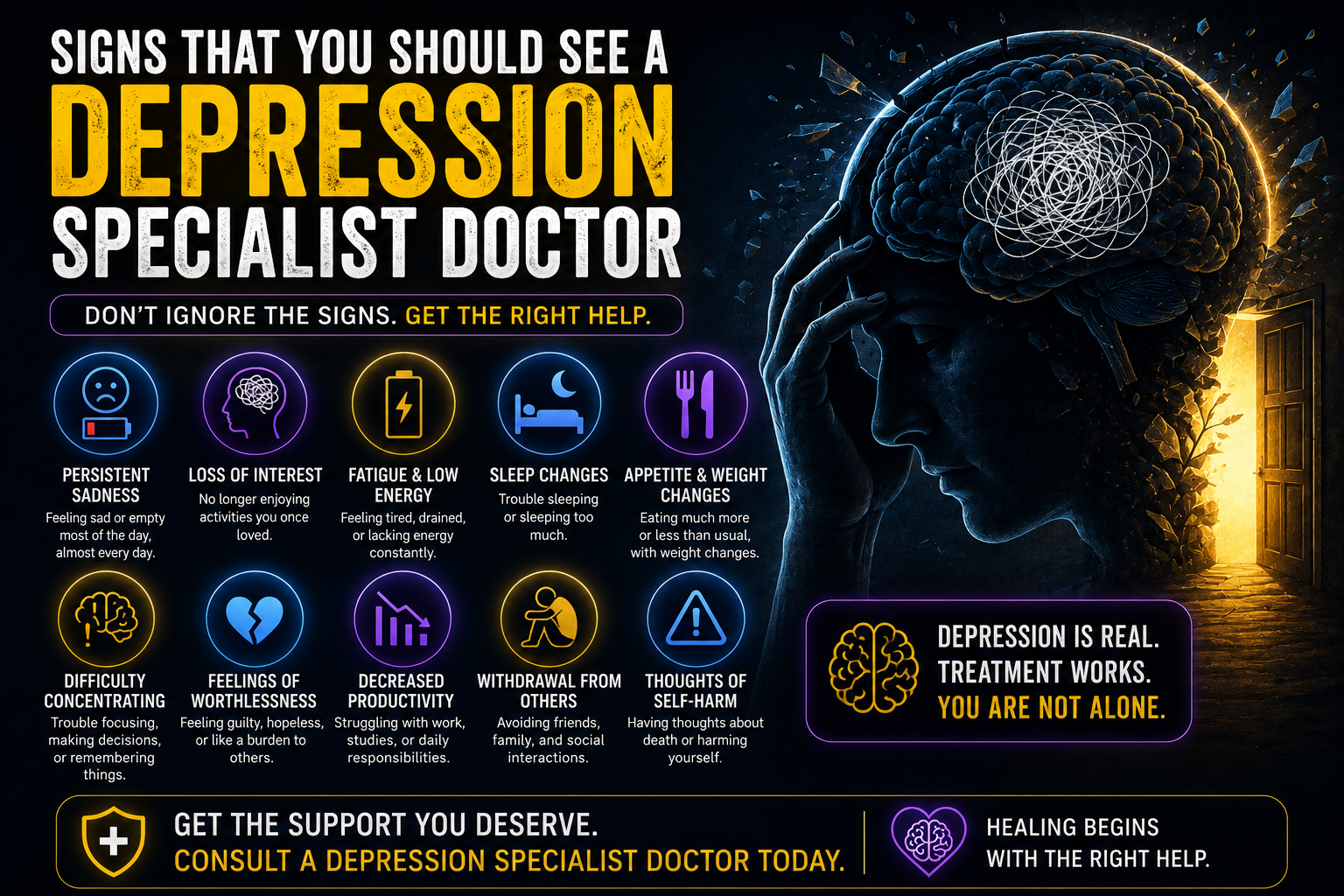
- Persistent sadness lasting more than two weeks
- Loss of interest in activities once enjoyed
- Constant fatigue without a clear cause
- Difficulty concentrating
- Changes in appetite or body weight
- Sleeping too much or too little
- Feelings of guilt, hopelessness, or worthlessness
- Social withdrawal
- Irritability or unexplained anger
- Thoughts of self-harm or suicide
If suicidal thoughts occur, seek emergency medical assistance immediately or contact your local emergency services.
Types of Depression
Depression includes several clinical forms, each requiring individualized care.
Major Depressive Disorder
This is the most common form and involves persistent low mood and loss of interest lasting at least two weeks.
Persistent Depressive Disorder
Symptoms remain for two years or longer, but may be less severe than major depression.
Seasonal Affective Disorder
Symptoms appear during certain seasons, most commonly winter, due to reduced sunlight exposure.
Postpartum Depression
Some women experience depression after childbirth because of hormonal changes, emotional stress, and lifestyle adjustments.
Depression Associated With Medical Conditions
Chronic illnesses such as diabetes, cancer, Parkinson’s disease, or heart disease may increase the risk.
Symptoms Doctors Evaluate During Diagnosis
Healthcare providers evaluate emotional, physical, and behavioral symptoms before confirming a diagnosis.
Symptom Category | Common Signs | Why It Matters |
Emotional | Sadness, hopelessness, guilt | Indicates mood disturbance |
Physical | Fatigue, appetite changes, sleep problems | Helps assess severity |
Cognitive | Poor concentration, memory issues | Measures impact on daily functioning |
Behavioral | Social withdrawal, reduced productivity | Shows functional impairment |
How Depression Is Diagnosed
A healthcare provider does not rely on one laboratory test. Instead, diagnosis involves several steps.
Medical History
The doctor asks about symptoms, family history, medications, previous mental health conditions, and recent life events.
Physical Examination
Some physical illnesses can mimic depression symptoms. Medical evaluation helps rule out other causes.
Psychological Assessment
Doctors use structured questionnaires and clinical interviews to evaluate mood, emotional health, and behavioral changes.
Laboratory Tests
Blood tests may help identify thyroid disorders, vitamin deficiencies, anemia, or hormonal conditions contributing to depressive symptoms.
Benefits of Visiting a Doctor for Depression
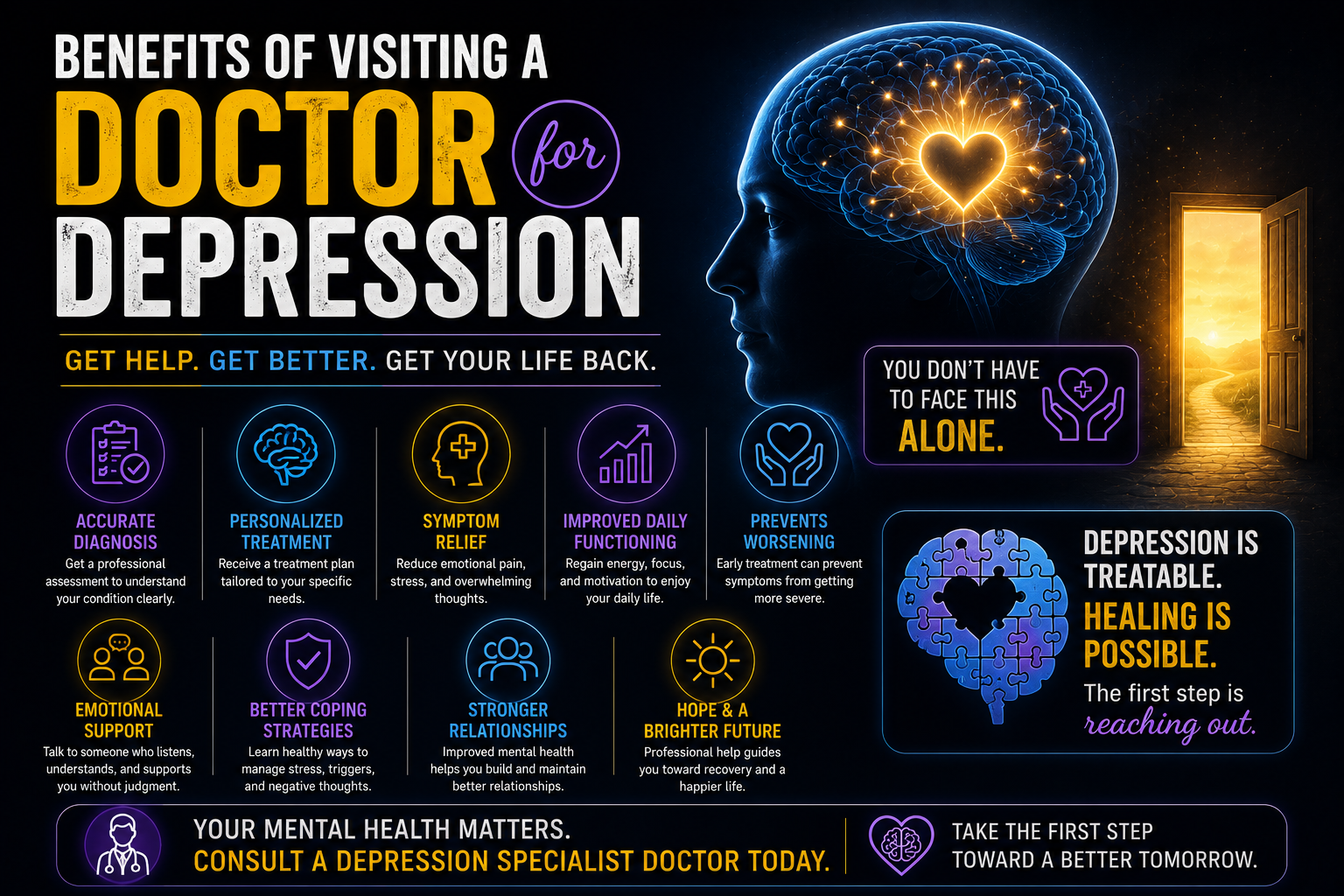
- Receive an accurate diagnosis based on medical evaluation.
- Access personalized treatment plans.
- Identify related mental or physical health conditions.
- Monitor medication safety and effectiveness.
- Reduce the risk of symptom progression.
- Improve work performance and daily functioning.
- Learn coping strategies supported by research.
- Receive long-term follow-up care when needed.
Depression Diagnosis and Treatment Options
A successful treatment plan begins with an accurate diagnosis.
Every person experiences depression differently, so healthcare providers create individualized care plans based on symptom severity, medical history, age, lifestyle, and any coexisting health conditions.
A depression treatment doctor may recommend one treatment or combine several approaches to achieve the best results.
Many people improve with a combination of medication, psychotherapy, healthy lifestyle changes, and regular follow-up appointments.
Clinical Depression Treatment
Clinical depression treatment focuses on reducing symptoms, improving daily functioning, and preventing future episodes.
Treatment often changes over time depending on how well a patient responds.
Medication
Antidepressants help balance brain chemicals involved in mood regulation.
A psychiatrist or qualified physician monitors medication effectiveness and adjusts the dosage if necessary.
It is important to remember that antidepressants usually take several weeks before noticeable improvement occurs.
Patients should never stop medication suddenly without medical advice.
Psychotherapy
A depression therapy specialist helps patients identify unhealthy thought patterns, improve coping skills, and build healthier emotional habits.
Several evidence-based therapies are commonly used:
- Cognitive Behavioral Therapy (CBT)
- Interpersonal Therapy (IPT)
- Behavioral Activation
- Problem-Solving Therapy
- Mindfulness-Based Therapy
Therapy can be effective on its own for mild depression and is often combined with medication for moderate to severe cases.
Lifestyle Improvements
Medical treatment becomes even more effective when combined with healthy daily habits.
Regular exercise, nutritious meals, consistent sleep, social support, stress management, and limiting alcohol consumption all contribute to recovery.
Advanced Treatments
Some individuals do not improve with standard treatments. In these situations, specialists may recommend advanced therapies such as:
- Transcranial Magnetic Stimulation (TMS)
- Electroconvulsive Therapy (ECT)
- Ketamine based treatments where medically appropriate
These treatments are typically considered only after careful evaluation by experienced specialists.
Depression Therapy Specialist vs Psychiatrist
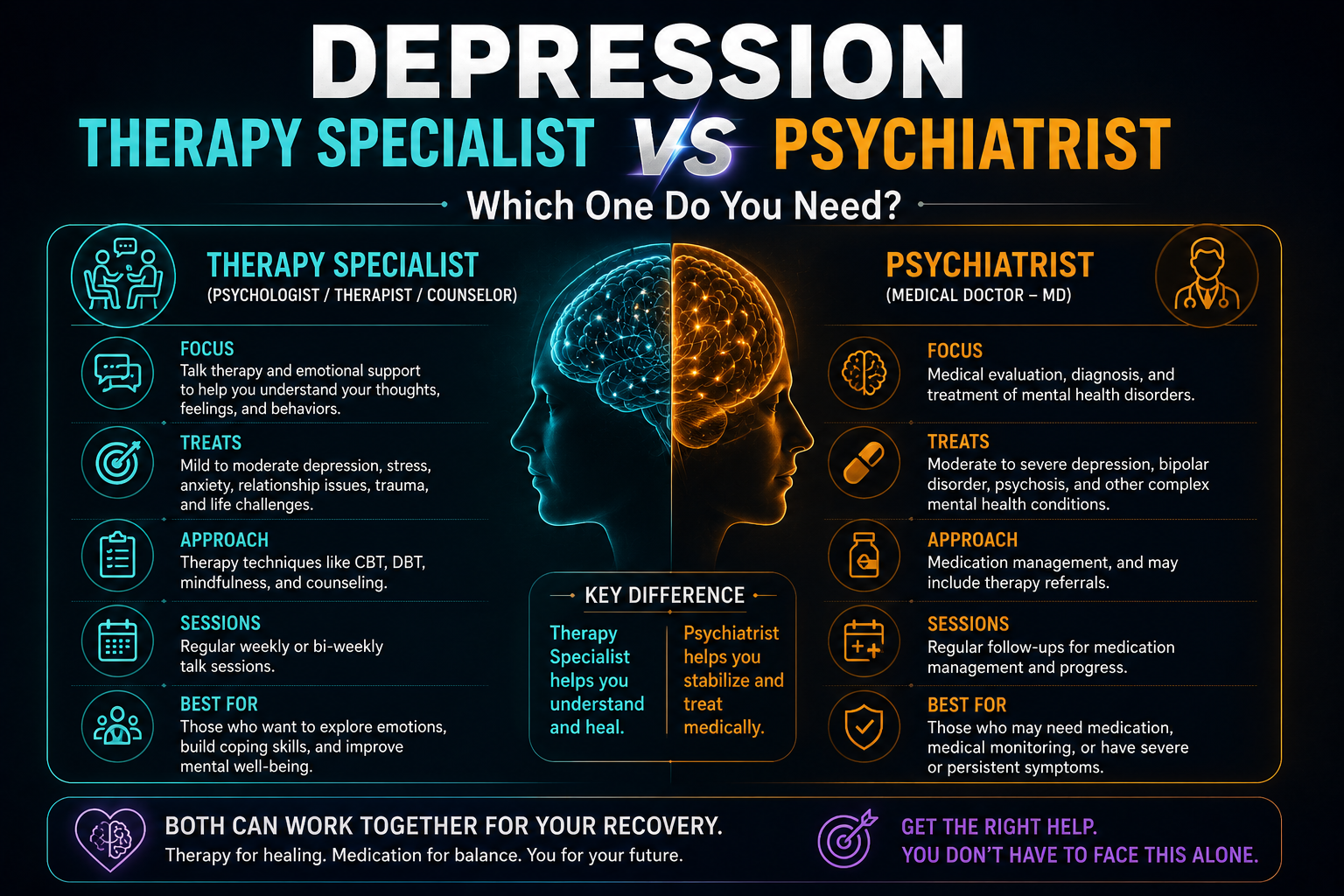
Many people are unsure whether they should see a therapist or a psychiatrist.
The answer depends on individual needs.A therapist focuses primarily on counseling and emotional support through structured therapy sessions.
A psychiatrist is a medical doctor who diagnoses mental illnesses, prescribes medication, and manages complex psychiatric conditions.
For many patients, working with both professionals provides the most complete care.
Anxiety and Depression Doctor
Depression frequently occurs alongside anxiety disorders. Because the symptoms overlap, many healthcare providers treat both conditions together.
Common symptoms include:
- Constant worry
- Panic attacks
- Restlessness
- Difficulty sleeping
- Muscle tension
- Poor concentration
- Irritability
- Persistent sadness
An anxiety and depression doctor develops a treatment plan that addresses both conditions rather than treating only one set of symptoms.
Adult Depression Specialist
Adults experience depression for many different reasons, including workplace stress, financial pressure, family responsibilities, chronic illness, grief, or major life changes.
An adult depression specialist evaluates factors such as:
- Medical conditions
- Medication interactions
- Hormonal changes
- Lifestyle habits
- Family history
- Occupational stress
- Previous episodes of depression
Treatment plans are then customized according to each patient’s needs rather than using the same approach for everyone.
How to Choose the Best Doctor for Depression
Finding the best doctor for depression involves more than selecting the nearest clinic. Consider several important factors before making an appointment.
The doctor’s qualifications and experience in treating mood disorders should be carefully reviewed.
Board certification in psychiatry or mental health is an important indicator of specialized training.
Communication style also matters. Patients should feel comfortable discussing personal concerns without fear of judgment.
Availability for follow up appointments is equally important because depression treatment often requires ongoing monitoring and adjustments.
Another consideration is whether the healthcare provider works within a multidisciplinary team that includes psychologists, therapists, and primary care physicians.
Reading verified patient reviews and seeking recommendations from trusted healthcare providers can also help identify experienced specialists.
What Happens During Your First Appointment?
Many people feel nervous before meeting a mental health specialist. Knowing what to expect can reduce anxiety.
The doctor usually begins by asking about current symptoms, when they started, and how they affect daily life.
Questions may include sleep quality, appetite, work performance, relationships, stress levels, previous treatments, family history, and medical conditions.
Honest answers help the doctor make an accurate diagnosis and recommend the most appropriate treatment plan.
The appointment may also include standardized depression screening questionnaires.
At the end of the visit, the doctor explains the diagnosis, discusses treatment options, and schedules follow up care if needed.
Common Mistakes People Make When Seeking Depression Treatment
Many individuals unintentionally delay recovery because of avoidable mistakes.
Some people wait months before seeking professional help, hoping symptoms will disappear on their own. Early treatment generally produces better outcomes.
Others stop taking prescribed medication as soon as they begin feeling better. Depression medications should only be adjusted under medical supervision.
Skipping therapy sessions is another common mistake. Consistency allows therapists to monitor progress and teach effective coping techniques over time.
Some patients compare their recovery to others. Depression affects everyone differently, so treatment timelines vary from person to person.
Finally, relying only on internet advice instead of qualified medical professionals may delay appropriate care and increase the risk of worsening symptoms.
Expert Recommendations for Managing Depression
- Seek professional evaluation as soon as symptoms persist for more than two weeks.
- Follow the complete treatment plan recommended by your healthcare provider.
- Attend therapy sessions consistently, even when symptoms begin improving.
- Maintain regular sleep, exercise, and balanced nutrition to support recovery.
- Avoid alcohol and recreational drugs, as they may worsen depression symptoms.
- Keep follow up appointments so your doctor can monitor progress.
- Talk openly with trusted family members or friends who can provide support.
- Be patient with recovery, as improvement often occurs gradually.
Practical Example: How Professional Care Can Make a Difference
Consider an adult who has felt persistently sad, exhausted, and unable to focus for more than a month.
Instead of assuming the symptoms will disappear, the individual visits a doctor for depression.
After a thorough evaluation, the physician rules out physical health conditions, diagnoses moderate depression, and recommends a combination of psychotherapy and medication.
Over the following months, the patient attends regular therapy sessions, follows the prescribed treatment plan, improves sleep habits, and incorporates daily physical activity.
During follow-up visits, the doctor adjusts the treatment based on progress. Gradually, mood, concentration, and energy improve, allowing the individual to return to normal daily activities.
This example shows how early diagnosis and consistent professional care can lead to meaningful recovery.
Frequently Asked Questions
Which doctor should I see first for depression?
Most people can begin with a primary care physician, who can evaluate symptoms, rule out physical health conditions, and refer you to a psychiatrist or other mental health specialist if needed.
When should I see a psychiatrist for depression?
You should consider seeing a psychiatrist for depression if symptoms are severe, persist despite treatment, recur frequently, or require medication management.
Can depression be treated without medication?
Yes. Mild to moderate depression may improve with psychotherapy, lifestyle changes, stress management, and regular follow-up. However, some individuals benefit most from combining therapy with medication.
How long does depression treatment usually take?
Treatment varies for each person. Some individuals notice improvement within several weeks, while others may need several months of consistent therapy and medical care for significant recovery.
How do I know if I need a depression specialist doctor?
If symptoms interfere with work, relationships, sleep, or daily responsibilities, or if they continue for more than two weeks, consulting a depression specialist doctor is recommended for a comprehensive evaluation.
Conclusion
Finding the right doctor for depression is one of the most important steps toward better mental health.
Whether you begin with a primary care physician, consult a psychiatrist for depression, or work with a depression therapy specialist, timely care can improve symptoms, restore daily functioning, and enhance overall well-being.
Depression is a treatable medical condition, and recovery often involves a combination of accurate diagnosis, evidence-based therapy, medication when appropriate, healthy lifestyle habits, and ongoing support.
If symptoms persist for more than two weeks or begin affecting your daily life, seeking help from a qualified mental health specialist is a positive step toward long-term wellness.